
This caught my attention because Palworld’s leap from survival-crafting videogame to a two-player physical TCG is exactly the kind of cross‑media move that reshapes both hobby communities and retail floors. Between Bushiroad’s TCG pedigree and Pocketpair’s rowdy fanbase – plus the ongoing legal drama with Nintendo – this launch is going to be as much about scene-building as it is about cards.
Table of Contents (8)
Palworld Official Card Game: Survival Crafting Hits the Tabletop
- Launch Date: July 30, 2026 – a summer release aimed at stores and events.
- Core hook: deploy Pals, gather resources, and build bases — a resource-driven loop, not traditional mana-attachment TCG design.
- Bushiroad partnership signals polished product and strong distribution — but Nintendo litigation adds uncertainty to long-term global rollout.
- Competitive prospects are real: quick 15-30 minute games, clear archetypes (ramp, control, siege), and likely frequent expansions.
{{INFO_TABLE_START}}
Publisher|Bushiroad & Pocketpair
Release Date|July 30, 2026
Category|Trading Card Game
Platform|Physical, 2-player TCG
{{INFO_TABLE_END}}
What the Game Actually Is — Beyond the Trailer
Bushiroad describes a faithful translation of Palworld’s loop: Pals serve as units, certain Pals and cards generate resources (wood, ore, ingots), and players construct base cards that provide ongoing benefits or act as alternate win conditions. That base-building mechanic is the headline differentiator — instead of tapping lands or attaching discrete energy cards, you create physical structures that change board state and can be targeted by siege effects.
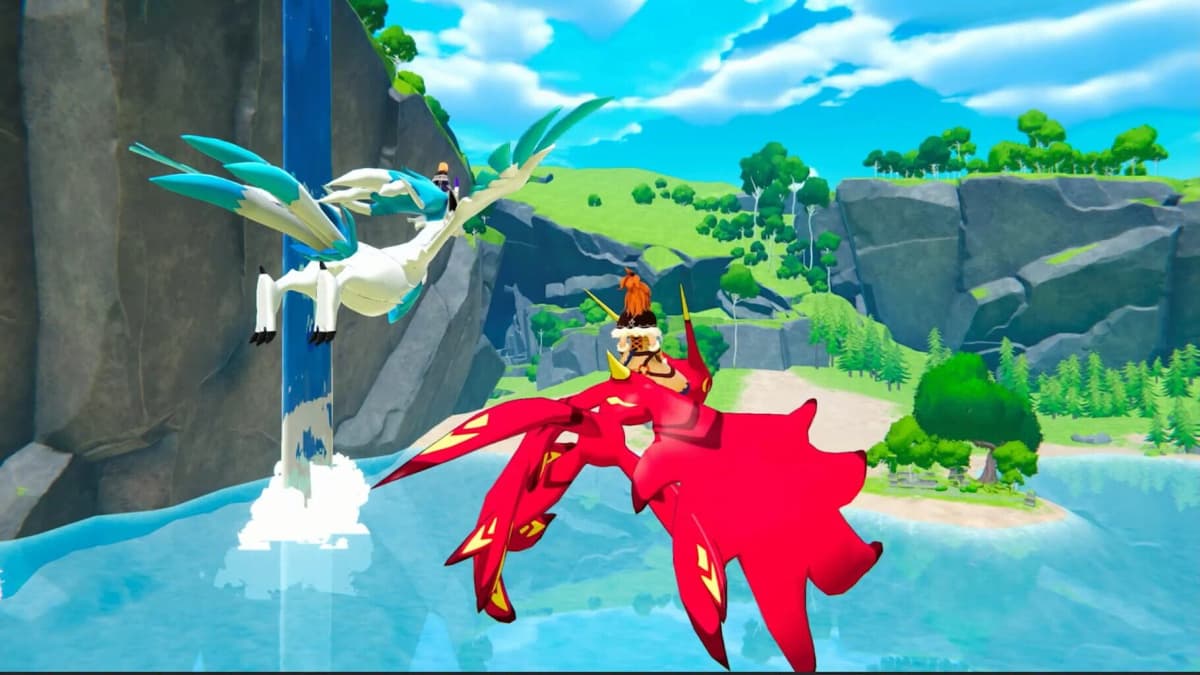
From a design perspective this feels closer to card games that blend area control with resource engines than the energy/evolution model of Pokémon or the mana system of Magic. Expect matched turns with phases for deploy → gather → build → combat. Games should be brisk (15-30 minutes), making the system attractive to casual meetups and go-fast competitive formats.
Why Bushiroad’s Involvement Matters
Bushiroad brings experience launching card games and supporting long-term organized play (Cardfight!! Vanguard is their flagship). That matters for balance, production quality (foil chase cards, promo distribution), and running launch tournaments. For players, it means better odds of a supported tournament calendar and wide retail availability — assuming legal clouds don’t clip distribution.
Legal Context You Should Watch
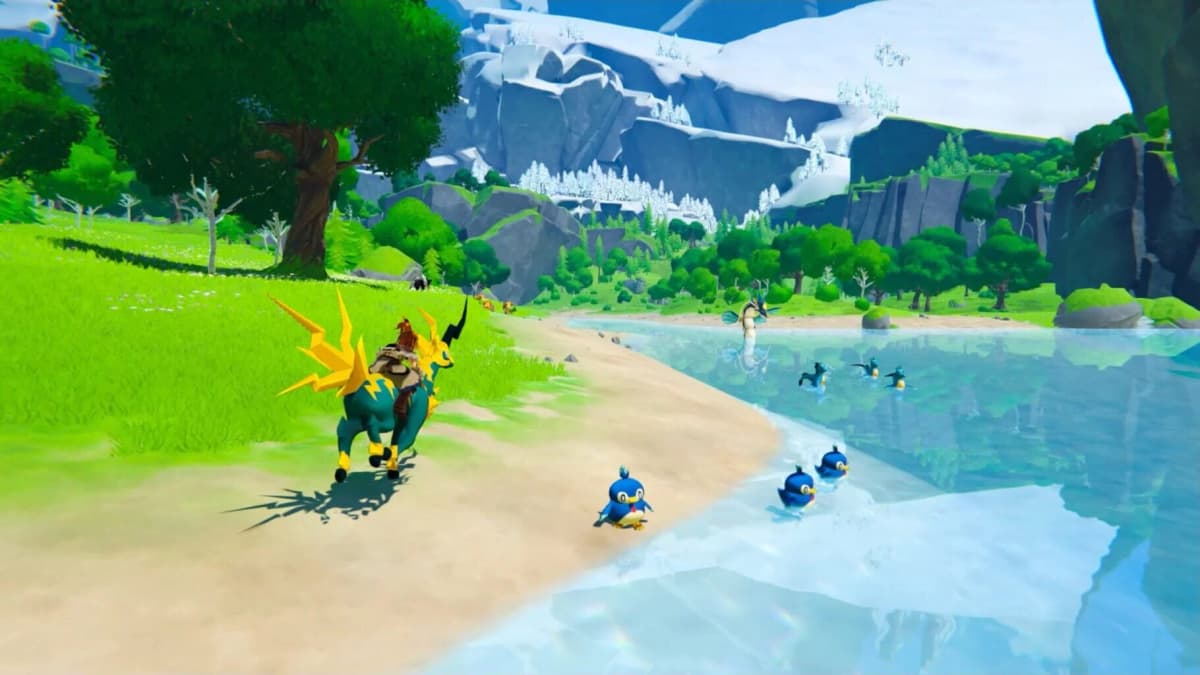
Pocketpair is defending Palworld through ongoing disputes with Nintendo over core mechanics and IP resemblance. A physical TCG — a format long associated with Pokémon — increases spotlight and potential friction. Practically: keep an eye on regional licensing news. A court loss could restrict certain territories or force design changes to future printings, but Bushiroad’s global network reduces the chance of a boutique, Japan‑only fate.
How to Prepare: A Practical Launch Plan
- Budget $50-$100 for starters and boosters on day one; expect starter decks in the $15–$20 range and boosters $4–$5.
- Bring sleeves, deck boxes, and a playmat — physical TCGs reward protected stock immediately.
- Practice the loop: think in ramps (resource generation), base timing (when to build vs. invest in Pals), and anti‑base tech (siege cards).
- Join Palworld Discords and local store groups the week of launch to spot meta decks, proxy lists, and sideboard tech.
Early Meta & Deck Archetypes
- Aggro Ramp — cheap Pals plus early bases that snowball into fast wins.
- Control/Base Denial — reactive Pals and demolish tech to shut down base engines.
- Combo/Siege — build resource engines then deploy high-cost Pals or siege cards to swing game state.
My read: the strongest early decks will be those that smooth resource curves (consistent ramp) and punish opponents overcommitting to fragile bases. That encourages balanced starter builds rather than single-minded “go all-in” options.
What This Means for Different Readers
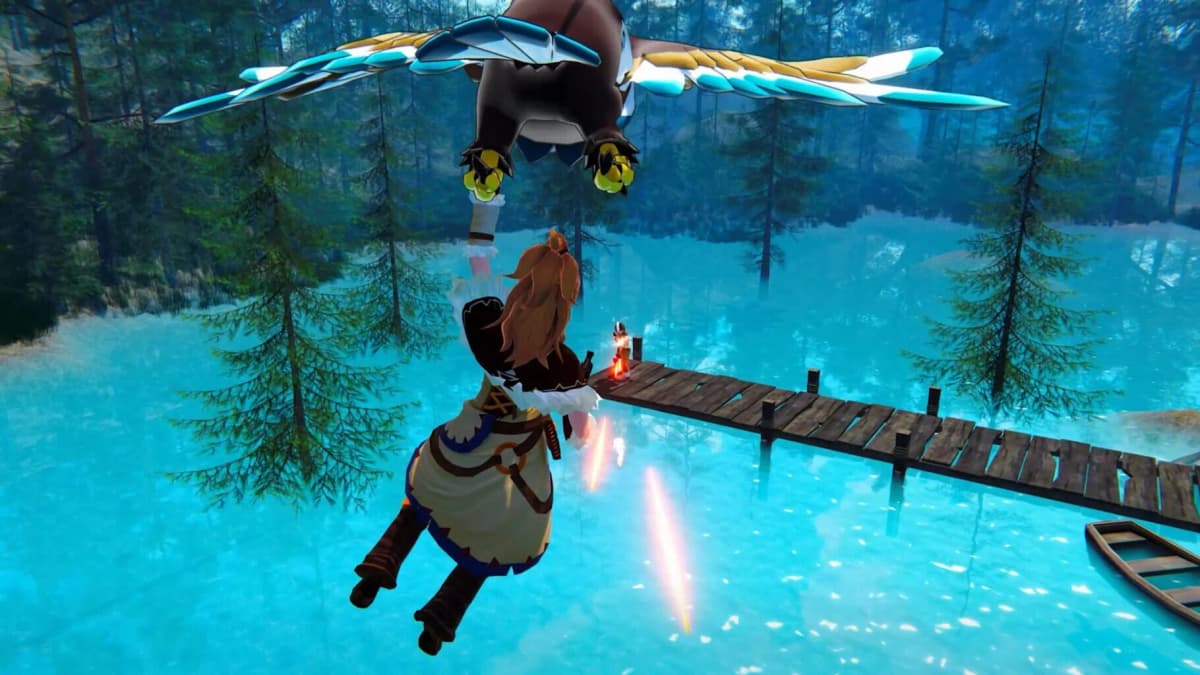
Collectors should expect chase holo Pals and regional promos — prepare to chase a few. Competitive players get a fast, skillful meta with clear tech routes; bring sideboards and tune to local metas. Palworld videogame fans gain a tactile way to bring their favorite Pals to tables, though the best reward will be seeing how well the card rules capture each Pal’s “work suitability.”
TL;DR — My Key Insights
Palworld’s TCG has genuine design hooks that set it apart — base building and resource ramps — and Bushiroad gives it a real shot at a healthy competitive scene. Legal risk is the wildcard, but launch preparations are straightforward: budget for starters, protect your cards, and prioritize resource-synergy decks. If you’re a survival-craft fan tired of traditional energy-based TCGs, this is one to watch on July 30.
FinalBoss // Gear
Level up your setup
01Top-rated gaming headsetson Amazon→02High-refresh gaming monitorson Amazon→03Gaming chairson Amazon→04Discounted game keyson Kinguin→Affiliate links · As an Amazon Associate, FinalBoss earns from qualifying purchases.
Want to Level Up Your Gaming?
Get access to exclusive strategies, hidden tips, and pro-level insights that we don't share publicly.
Ultimate Gaming Strategy Guide + Weekly Pro Tips