

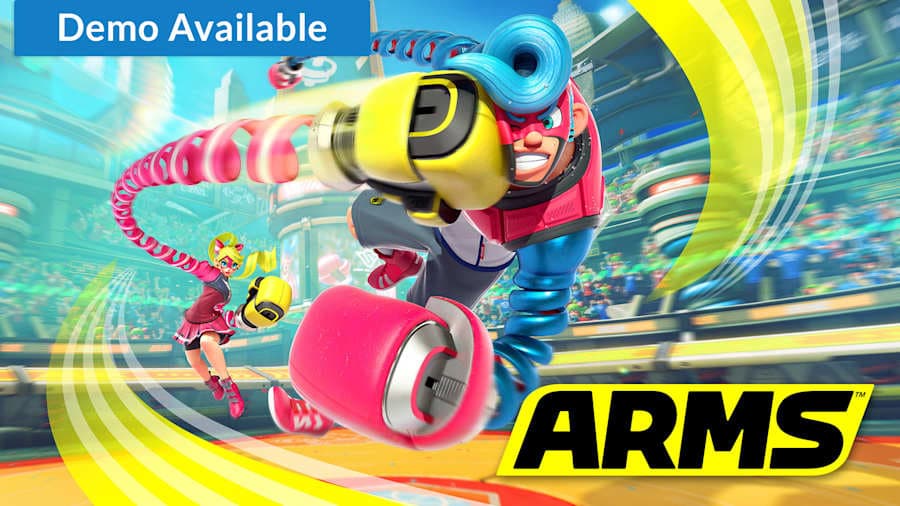
The studio that squeezed Doom onto the original Switch just quietly helped Nintendo make its own games look better on Switch 2-for free. Panic Button has confirmed it worked with Nintendo to deliver HDR and GameShare updates for Super Mario Bros. U Deluxe, Super Mario 3D World + Bowser’s Fury, Super Mario Odyssey, and Arms. For players, that means day-one upgrades to beloved games without buying “Deluxe Deluxe” re-releases. For the industry, it’s a sign that Nintendo’s taking Switch 2’s launch seriously by modernizing its first-party back catalog with the right technical partners.
Panic Button says it helped Nintendo roll out Switch 2 patches for four big hitters: Super Mario Bros. U Deluxe, Super Mario 3D World + Bowser’s Fury, Super Mario Odyssey, and Arms. The headline features are HDR and GameShare. HDR is the big visual upgrade—finally letting Nintendo’s color-drenched worlds pop without clipping bright highlights or crushing dark detail. GameShare support, meanwhile, aligns these games with Switch 2’s system-level sharing feature so more players can actually use it with titles they already own. Nintendo choosing an Austin-based porting specialist for first-party touch-ups is the curveball here—and a smart one.
If you played Doom 2016 on Switch back in the day, you know Panic Button’s vibe: technical witchcraft in service of playable framerates. They’ve done Warframe, Rocket League, Wolfenstein, even Apex Legends on Switch. The studio’s reputation is built on squeezing modern rendering pipelines through small hardware windows without losing the fun. That Nintendo tapped them for Switch 2 upgrades on its own crown jewels tells me two things: first, the company is prioritizing experienced hands to implement new display features quickly; second, these aren’t lazy toggles—retrofit HDR in older engines takes thoughtful work on tone-mapping, materials, and UI to avoid garish results.
HDR isn’t about “more saturation.” Done right, it fixes the age-old problem of bright Nintendo color palettes blowing out on modern TVs. In Super Mario Odyssey, New Donk City’s nighttime signage and the Luncheon Kingdom’s molten soup should hold detail and glow properly. Bowser’s Fury is the real winner: those stormy skies, lightning flashes, and Fury Bowser’s molten shell were born for high contrast. Arms’ neon arenas and reflective gloves benefit too—the specular highlights won’t just smear white. New Super Mario Bros. U Deluxe is flatter by design, but lava, fireworks, and star effects should still get tasteful sparkle instead of clipped glare.
As for GameShare, the best feature is the one you actually use. Nintendo’s been positioning it as a platform-level way to make sharing and hopping into supported games simpler on Switch 2. Seeing first-party staples support it out of the gate matters: if GameShare is going to be part of the console’s culture, Mario and Arms are the ambassadors you want carrying the flag. Just temper expectations—Nintendo hasn’t promised wild cross-ownership magic here, so think convenience and flexibility rather than a loophole to play everything everywhere.
One open question: performance. Nintendo highlighted HDR and GameShare, not frame rate or resolution. That makes sense—visual pipeline work is a cleaner lift than touching gameplay timing—but we’ll need hands-on time to see whether any stability or loading gains came along for the ride. I’d love 60 fps across the board, but I’m not assuming anything until the controller’s in my hands.
This is Nintendo sidestepping an easy cash grab. The company could’ve sold “HDR Editions” or waited to bundle these updates into paid re-releases. Instead, the early Switch 2 story includes: unglamorous but meaningful platform features, applied to games people actually play, at no extra cost. That’s a page from the PS5/Series X playbook—platform holders boosting legacy titles to keep launch windows feeling alive—without the messy upgrade pricing we’ve seen elsewhere.
Credit where it’s due: publicly acknowledging Panic Button also signals a more open Nintendo. Historically, Kyoto keeps its external helpers in the background (Grezzo for Zelda remakes, Tantalus for Skyward Sword HD). Calling out an Austin port house for first-party patches tells me Switch 2’s ramp-up is all-hands, and Nintendo’s comfortable leaning on certified specialists to make sure the platform feels modern from day one.
This caught my attention because it hits where players live: our libraries. I’ve spent more time in Odyssey than I care to admit, and the chance to revisit Cap Kingdom with proper HDR is a genuine draw. It’s also a tone-setter. If Nintendo keeps upgrading the back catalog—think Mario Kart 8 Deluxe, Splatoon 3, or even Luigi’s Mansion 3—with smart, free features, Switch 2’s first year will feel stacked even without a dozen brand-new exclusives. And if they keep handing the wrench to studios like Panic Button, I trust the work to be done with care rather than checkbox “enhanced” stickers.
Panic Button helped Nintendo push free Switch 2 updates adding HDR and GameShare to Odyssey, Bowser’s Fury, SMB U Deluxe, and Arms. It’s a savvy move that respects players’ existing libraries while showcasing the new console’s features. Now let’s see if more first-party favorites get the same treatment—and whether performance gets a quiet bump too.
Get access to exclusive strategies, hidden tips, and pro-level insights that we don't share publicly.
Ultimate Gaming Strategy Guide + Weekly Pro Tips