
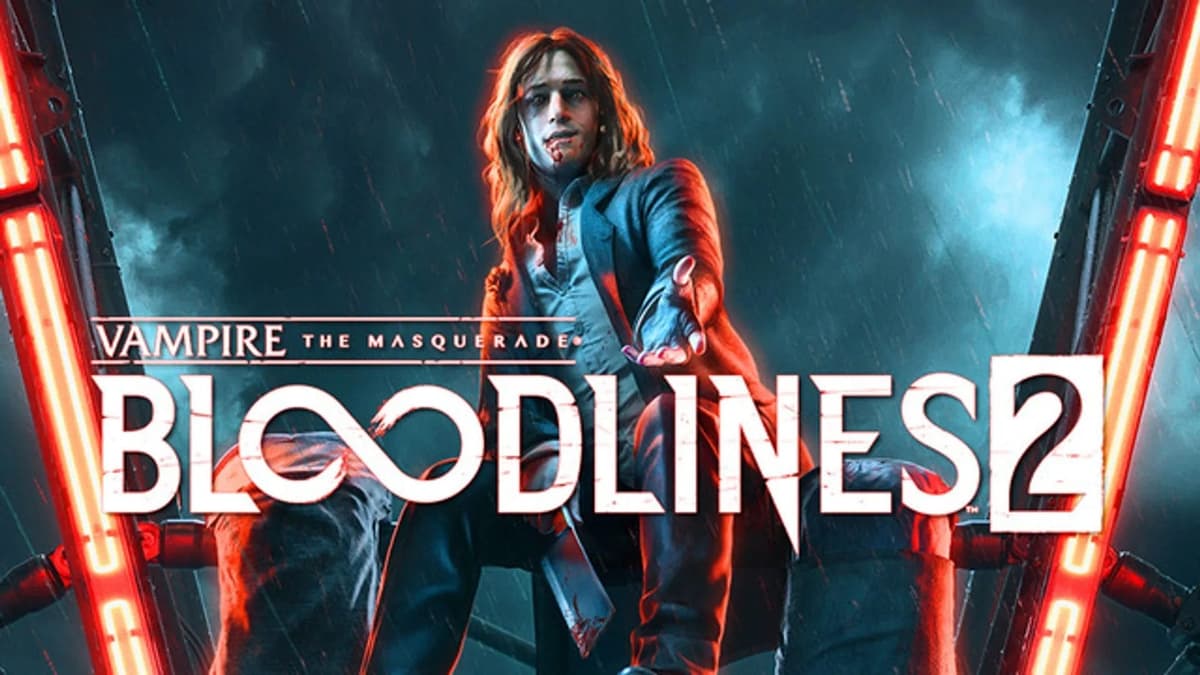
Paradox admits Bloodlines 2 flopped — $37.4M write-down and a blunt CEO mea culpa
Game intel
Vampire: The Masquerade – Bloodlines 2
Santa Monica Memories is a cosmetic pack with iconic items, with a Stop Sign, Voerman Portrait, and Ankaran Sarcophagus, to decorate your haven. Each time you…
Why Paradox’s Bloodlines 2 write-down actually matters for gamers
This caught my attention because publisher mea culpas are rare – and when they admit a blockbuster sequel “didn’t meet expectations” and book a $37.4 million depreciation on development costs, it’s not a marketing line, it’s a business-level scar. Paradox Interactive has publicly owned the failure of Vampire: The Masquerade – Bloodlines 2, the CEO took responsibility, and the company is promising to shift focus back to what it does best while still supporting the game’s promised DLC. That combination of accountability and belt-tightening is the story players need to understand.
- Key takeaway: Paradox booked a $37.4M write-down and admitted poor forecasting and strategic missteps.
- What it means: Expect fewer risky AAA experiments from Paradox and more licensing or smaller-scale World of Darkness projects.
- For players: Immediate post-launch support and two Premium Edition expansions are still planned – but long-term investment is uncertain.
Breaking down the admission – and why it’s unusual
Publishers often bury bad results in quarterly noise. Paradox chose blunt honesty: the game underperformed against internal sales expectations and they wrote down development costs. CEO Ebba Ljungerud Wester said the failure was the publisher’s responsibility, citing unrealistic sales forecasts and the company stepping outside its wheelhouse. As someone who follows Paradox’s catalogue — Crusader Kings, Europa Universalis, Stellaris — this is a rare acknowledgement that real expertise matters; grand strategy and narrative-heavy AAA RPGs are different beasts.
What actually went wrong (from a gamer’s view)
Bloodlines 2’s development was turbulent: multiple delays, changes in direction, and a studio choice that raised eyebrows. The developer involved is better known for narrative-led, smaller-scale titles than big-budget RPGs, and that mismatch tends to surface as scope creep, tech debt, and missed expectations. The end result — a release plagued by bugs, wavering reviews, and a split community — feels like the product of a project that grew beyond the team’s strongest competencies.
There’s also a marketing angle: early hype around a beloved IP ballooned expectations. The original Bloodlines (2004) survived a rough launch because a passionate modding community and long-term goodwill patched it into a cult classic. Bloodlines 2 didn’t spark that same communal rescue operation, which matters — modern narrative RPGs live or die by post-launch engagement.
Paradox’s pivot: sensible prudence or cautious retreat?
Paradox says it will refocus investments on core segments where it knows the market — namely strategy games — and consider alternative ways to exploit World of Darkness, like licensing, visual novels, or tabletop-friendly projects. That’s pragmatic: licensing lowers financial risk while still monetizing a strong IP. But it’s also a signal that Paradox is less likely to fund risky, in-house AAA experiments in the near term. For fans who wanted a long-term triple-A World of Darkness slate, that’s a blow.
On the promise front, Paradox claims short-term support will continue: the two expansions bundled in Premium Editions are still planned. Take that as a measured reassurance — companies often finish paid content to honor commitments and salvage goodwill — but remain skeptical about long-term patches or a robust live service effort if budgets tighten.
What gamers should do now
- If you own Bloodlines 2: play with expectations — bugs and rough edges are still there, but planned DLC could add meaningful content.
- If you’re on the fence: wait for post-launch patches and the first expansion before deciding.
- If you love World of Darkness: look to tabletop releases, licensed adaptations, or community-made mods as the safer long-term bet.
Why this matters beyond one game
Bloodlines 2 is a cautionary tale about genre mismatch and hype management. Big IPs don’t guarantee big sales, and publishers that stray from core competencies without the right teams and timelines risk expensive failures. Paradox’s transparency is welcome — but the real test will be whether they translate this into smarter projects, not just safer ones.
TL;DR
Paradox admitted Bloodlines 2 underperformed, booked a $37.4M write-down, and vowed to refocus on core strengths while still delivering promised DLC. That’s accountability — but for fans hoping this signals a long-term AAA World of Darkness future, the outlook is more conservative than it is comforting.