
Table of Contents (7)
Why This Update Actually Matters for HOI4 Players
No Compromise, No Surrender isn’t just another focus-tree pack-it’s Paradox ripping out and rebuilding systems HOI4 players have lived with for years. The new faction framework and “grand doctrine” system mean you won’t be autopiloting to the same meta builds we’ve all leaned on since No Step Back. If you play Japan, China, or the Philippines, you’re getting full-fat reworks; if you play anything else, the new doctrines, naval combat changes, and faction rules still reshape the entire sandbox. This is the kind of update that forces you to relearn the game-and that’s exciting and a little terrifying.
Key Takeaways
- Factions finally matter: 60+ foundational rules and 150+ goals make alliances feel purposeful, not just color-coded clubs.
- New “grand” doctrines with sub-doctrines for army, navy, and air push you to specialize instead of picking the same tree every run.
- Naval combat gets a long-overdue overhaul, plus naval special projects-promising, but balance and AI will make or break it.
- Deep, modern focus trees for Japan, China (separate Nationalist/Communist paths), and the Philippines refresh the Asian theater.
- It’s out now on Steam for $29.99 / £24.99, or bundled in Expansion Pass 2.
Breaking Down the Announcement
Paradox says factions have been “completely transformed,” and honestly, it was overdue. Axis/Allies/Comintern always felt more like social clubs than strategic frameworks. With more than 60 faction rules and over 150 goals—from short-term war aims to long-term visions—you can actually define how your alliance plays. Think less “we’re friends now” and more “this faction exists to do X and refuses to do Y.” In multiplayer that could finally curb the anything-goes diplomacy, and in single-player it gives the AI a clearer sense of purpose.
The doctrine overhaul is the headline for me. You now set a “grand doctrine” for land, sea, and air, then layer sub-doctrines on top. On land, that breaks into infantry, artillery and combat support, armor, and operations. In theory, this moves us away from the tired “just grab Superior Firepower and call it a day” mindset. If the sub-doctrines are tuned well, a mountain infantry China, a carrier-heavy Japan, or an air-supremacy USA should feel meaningfully different rather than just flavor text and a few stats.
Naval combat also gets attention, plus new naval special projects. That’s huge, because the sea game has lived in a weird space since Man the Guns—powerful but opaque, with too many death stacks and too much spreadsheet energy. If special projects let you chase distinct naval identities (wolf pack terror, fast carrier dominance, brutal shore bombardment), we might finally get fleets that play to doctrine, not just the latest math puzzle.
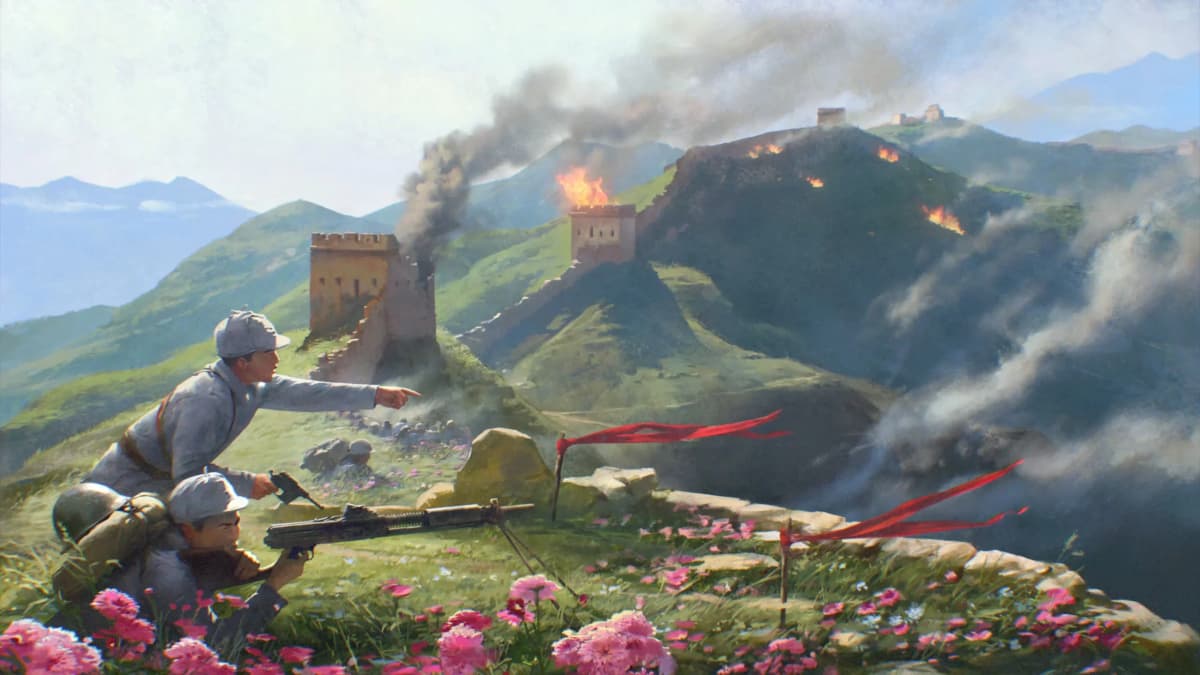
Content-wise, Asia’s the star. Japan’s rework pushes industrial tempo, energy security, and naval logistics, while keeping you alert for internal unrest—a nice nod to the constant political tightrope Japan walked. China splits into bespoke Nationalist and Communist paths. One is about consolidating a republic and breaking warlord power; the other unites the nation behind the Party and overturns the old order. The Philippines leans into island realities and resource diplomacy—you can fight for independence or work the global stage to your advantage. All three trees sound modern, systemic, and reactive rather than the old click-a-line-and-win style.
Why This Matters Now
HOI4 is closing in on a decade and still sits among Steam’s strategy stalwarts. But any ten-year-old live game collects meta dust. We’ve seen Paradox refreshes before—No Step Back rewired supply and tanks, By Blood Alone shook up aircraft design—yet doctrines and factions lagged behind. Reworking those pillars resets muscle memory and gives both SP and MP players a reason to re-learn the war. It also dovetails with a broader trend: grand strategy players want fewer flat bonuses and more identity-defining choices that create different stories.
The Gamer’s Perspective: Hype vs. Red Flags
This caught my attention because I’ve spent too many campaigns watching factions behave like decorative labels and doctrines like a one-time checkbox. The new systems promise real agency. But I do have one big worry: naval AI and readability. If the sea war is still a fog of tooltips and post-battle screens that tell you nothing actionable, the rework won’t land. Also, more knobs means more balance risk—MP metas tend to find the path of least resistance within days. Expect hotfixes as players sprint toward the strongest grand/sub combos.
On the flip side, the Asian focus refresh could be a banger. Japan’s older tree needed modern mechanics, and China splitting into distinct Nationalist and Communist experiences makes that theater feel alive again rather than a rush to capitulation bars. The Philippines getting meaningful diplomatic and resource play is the kind of “minor into major” arc HOI4 does well when it tries.

Price and Value Check
No Compromise, No Surrender is $29.99 / £24.99, or part of Expansion Pass 2. That’s on the higher side for HOI4 DLC, but if you’re getting system rewrites plus three deep trees, it could justify the tag—assuming the balance holds and the naval rework actually clarifies the sea game. As always with Paradox, some systemic changes typically arrive via a free patch while paid DLC carries the new national content; check the patch notes to see what you get either way. My advice: if you’re a regular HOI4 player, jump in but expect a week of meta chaos. If you’re returning after a break, maybe let the first hotfix land and then commit to a fresh Japan or China run.
TL;DR
Paradox’s new HOI4 DLC tears into doctrines, factions, and naval combat while delivering modern trees for Japan, China, and the Philippines. It’s the kind of shake-up that can renew the game for another year—if the naval AI holds and the doctrine balance settles. I’m excited to relearn the war, but I’m keeping one eye on the patch notes.
FinalBoss // Gear
Level up your setup
01Top-rated gaming headsetson Amazon→02High-refresh gaming monitorson Amazon→03Gaming chairson Amazon→04Discounted game keyson Kinguin→Affiliate links · As an Amazon Associate, FinalBoss earns from qualifying purchases.
Want to Level Up Your Gaming?
Get access to exclusive strategies, hidden tips, and pro-level insights that we don't share publicly.
Ultimate Gaming Strategy Guide + Weekly Pro Tips