
Paralives is finally here, and the annoying part is that half the internet treats a launch countdown like it’s the whole story. It isn’t. If you’re jumping in on day one, the stuff that matters is brutally practical: the exact unlock time in your region, the fact there’s no preload safety net, what kind of machine you need to get past “boots successfully,” and whether this seven-year indie life sim is arriving as a promising foundation or just another wishlist-powered mirage.
The short version: Paralives launched into Early Access on Steam on May 25, 2026 at 10:00 AM EDT as a simultaneous global release. That means 4:00 PM CEST, 8:00 AM in Mexico City, 9:00 AM in Lima, 11:00 AM in Buenos Aires, 12:00 AM AEST on May 26 in Sydney, and 2:00 AM NZST on May 26 in Auckland. You need Steam on PC or Mac to play at launch. There was no preload, no preorder, and no cute little workaround. When the game unlocked, your download started then.
Table of Contents (4)
The launch timer was simple. The install reality was less generous.
This was a simultaneous worldwide Steam launch, which at least spared everyone the usual staggered-release nonsense. No regional guessing games, no “console first, PC later” footnote, no publisher quietly editing social posts because time zones got mangled. For once, the math was the easy part.
The catch was preload. Or rather, the complete absence of it. Paralives could be wishlisted ahead of release, but not preloaded. So if you planned to play the second it unlocked, your real countdown ended when Steam started downloading files. That matters more than people admit, especially for a cozy game with a huge pent-up audience. These launches always get framed as “be there at minute one,” then the store setup guarantees plenty of people won’t be.
The listed storage requirement is 8GB, and one pre-release report pegged the actual install at 7.62GB. That’s refreshingly modest in an era where “life sim” does not need to mean “sacrifice an SSD.” But don’t confuse a small install with a frictionless launch. Download size tells you almost nothing about day-one hiccups, shader compilation, hotfix cadence, or how gracefully the game handles an exploding player count. A compact install is nice. It is not a quality guarantee.
The PC requirements look forgiving, but Early Access performance is the real test
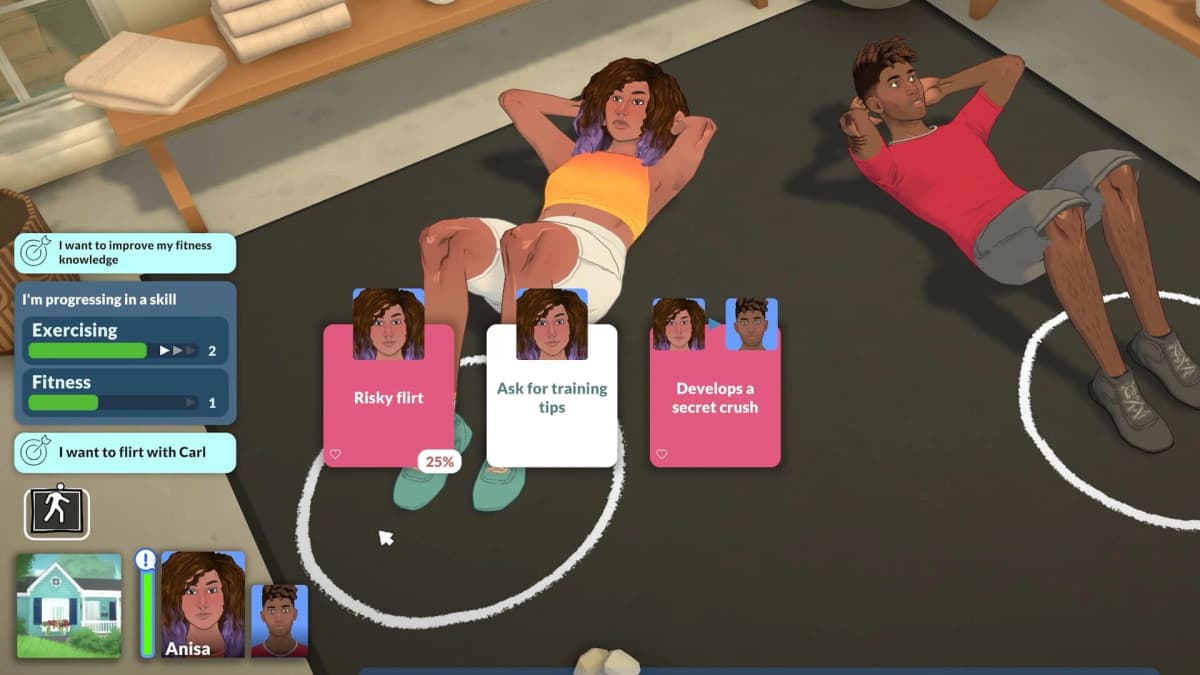
On paper, Paralives isn’t asking for absurd hardware. Minimum specs reported ahead of launch include Windows 10 64-bit, an Intel Core i5 or AMD Ryzen 3, 8GB of RAM, and a GTX 960 or Radeon RX 460-class GPU, with 8GB of storage. Recommended specs step that up to 16GB of RAM, a stronger CPU in the i7/Ryzen 5 range, and something closer to a GTX 1060 or RX 580.
That’s reasonable. More than reasonable, honestly. For a genre that lives or dies on simulation overhead, pathfinding, build systems, AI routines, and the weird chaos players create five hours after the tutorial stops helping, these requirements are not trying to bully midrange PC owners out of the room.
Still, this is where “frustrated but fair” kicks in. Spec sheets are marketing-adjacent documents. They tell you what the developer thinks the game should do under controlled conditions. They do not tell you how it behaves when you’ve built a ridiculous multi-story house, stuffed it with objects, filled the town with scripted routines, installed a few Workshop mods down the line, and let the simulation run long enough for edge cases to crawl out of the floorboards.

That’s the uncomfortable question around Paralives at launch: not whether it can open on a modest PC, but whether it can stay stable and readable once players start using it like players always do. Life sims are especially good at exposing technical weakness because they invite systemic abuse. If a game says “be creative,” someone is going to build a stress test.
This isn’t a Sims killer yet. It’s a very public first draft.
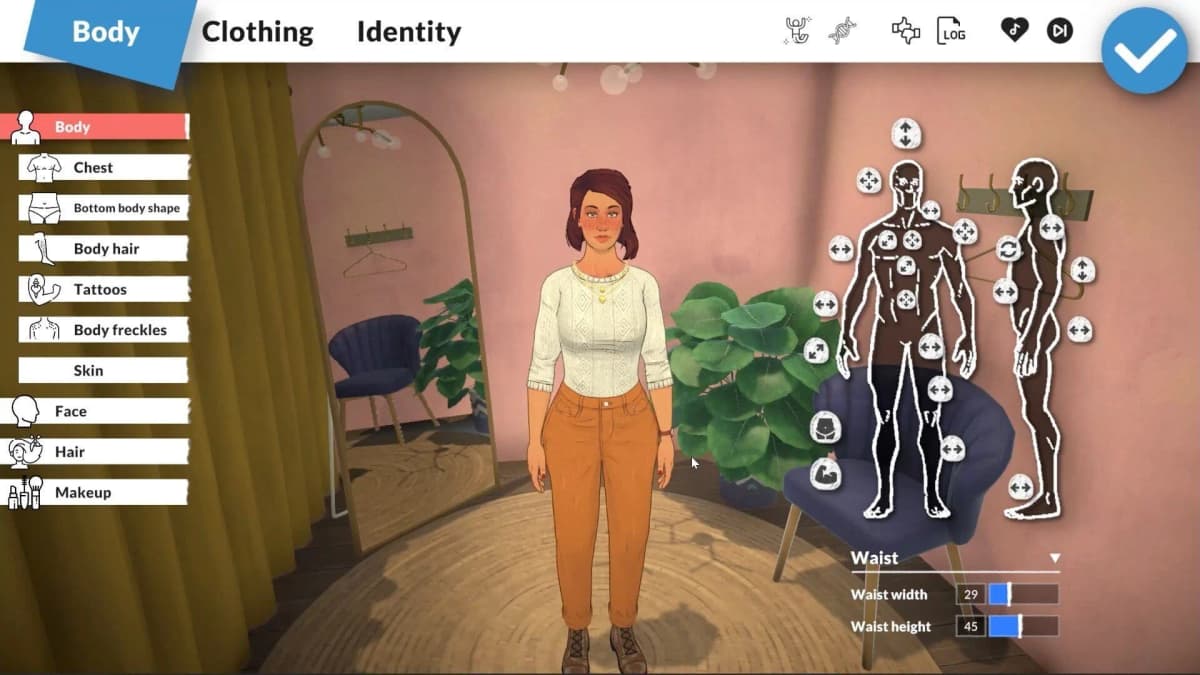
Paralives has spent years being cast as the indie answer to a life sim market that EA has left weirdly underchallenged. That’s why the hype machine has been so loud. Deep character tools, flexible building, curved walls, terrain editing, jobs, town events, personality systems, and Steam Workshop support are all real selling points. Those aren’t fake bullet points. They’re the reason people have cared this much in the first place.
But Early Access means buying into what the game could become, not pretending it has already won the genre war. Reports around launch also note missing features that players will absolutely notice: weather, seasons, and animals are planned rather than present, alongside broader roadmap items such as vehicles, family trees, a calendar system, and town editing. That’s not a scandal. That’s the product being honestly labeled as unfinished. The problem starts when fans mentally upgrade “unfinished with promise” into “fully formed rival” because they’re desperate for competition.
The smarter reading is that Paralives has cleared the hardest first hurdle: it exists, it’s purchasable, and it’s no longer just a beautiful devlog fantasy. After seven years of development, that matters. Plenty of ambitious indie sims never make it to this stage. But getting to Early Access is not the same thing as proving long-term momentum, update discipline, or enough simulation depth to hold players once the character creator honeymoon ends.
There’s also a pricing reality here. At around $40, Paralives is not positioning itself as a tiny experimental side project. That price says the team believes this is already substantial enough to charge like a serious game, even while key systems remain on the roadmap. Fair enough. It also means players are justified in judging it harder than the average “support our dream” Early Access pitch.
What you should watch next if you’re deciding when to buy
If you’re on the fence, the useful checkpoints are pretty clear.
- First, watch the first week of hotfixes. A life sim’s launch health is often written in patch notes, not trailers.
- Second, pay attention to performance reports from players with midrange PCs, not just high-end creator rigs.
- Third, track how quickly the roadmap turns into actual updates, especially around simulation depth rather than cosmetic additions.
- Fourth, keep an eye on how robust Steam Workshop support becomes in practice, because modding can massively extend a game like this if the foundations are stable.
- Finally, watch whether missing headliner features like seasons and animals get concrete timelines instead of vague “coming later” energy.
That last part matters most. The genre has a long history of selling aspiration first and systems later. Paralives has already done more than enough to earn real interest. What it has not earned yet is automatic trust that every roadmap item will land smoothly, on time, and without the usual Early Access compromises.
So yes, Paralives is live. The exact launch times were straightforward. The no-preload situation was mildly irritating. The storage footprint is small. The PC requirements look accessible. The bigger question now is whether the game’s simulation backbone is strong enough to survive contact with the audience that’s been waiting years to stress-test it.
That’s the part worth watching, not the countdown clock.
FinalBoss // Gear
Level up your setup
01Top-rated gaming headsetson Amazon→02High-refresh gaming monitorson Amazon→03Gaming chairson Amazon→04Discounted game keyson Kinguin→
Affiliate links · As an Amazon Associate, FinalBoss earns from qualifying purchases.
Want to Level Up Your Gaming?
Get access to exclusive strategies, hidden tips, and pro-level insights that we don't share publicly.
Ultimate Gaming Strategy Guide + Weekly Pro Tips