
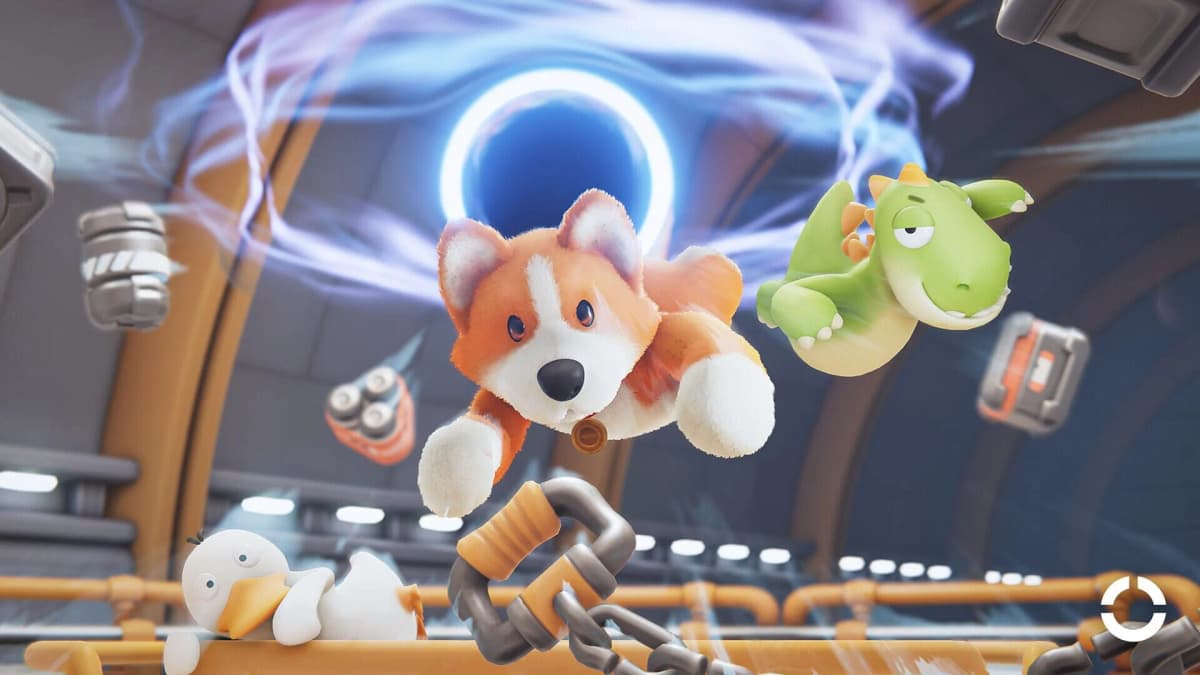
This blew up because Recreate Games didn’t just mention AI in passing. It built a community contest around it, made generative AI the required creative backbone, and then seemed surprised when players took that as a direct insult. For a game like Party Animals, which lives or dies on community goodwill, that is not a minor PR stumble. It is the kind of own goal that turns a silly party brawler into the latest case study in how not to pitch “accessible creativity.”
The controversy centers on the Golden Paw Awards, a short-film contest tied to Party Animals with a reported $75,000 prize pool and a $15,000 grand prize. Multiple reports said the rules required generative AI, or AIGC, to be used as the core creative tool. That landed about as well as you’d expect. Players pushed back on social media, negative Steam reviews piled up fast, and recent sentiment reportedly dropped hard enough to drag the game’s rating into much uglier territory.
Table of Contents (4)
This wasn’t really about one contest
The easy version of this story is “gamers got mad about AI.” That’s true, but it misses the important part. The real problem is that Recreate appeared to frame machine-generated output as the centerpiece of a community creativity event, instead of supporting fan artists, animators, editors, and meme-makers who already do that work the hard way. If you run a player-facing creative contest and the headline feature is “let the machine help,” a lot of people will hear, “your skills are optional now.”
That is why the backlash escalated so quickly. Players weren’t arguing about some buried backend tool for localization or moderation. This was front-facing. Promotional. Rewarded with real money. In other words, it looked less like internal experimentation and more like an endorsement of AI content as a replacement-tier creative lane. In 2026, studios should know the difference.
There is also a trust issue here that PR language usually tries to dodge. Community-driven games ask players to invest more than cash. They ask for clips, fan art, jokes, social posts, Discord energy, and the general unpaid labor of keeping a game culturally alive. When a studio then dangles a big prize for AI-assisted videos, it risks telling those same people that authentic fan creation is no longer the priority. That is why this felt personal instead of merely controversial.
The apology helped, then immediately stepped on its own rake
Later reporting from outlets including GamesRadar+, PC Gamer, and Eurogamer indicated Recreate did apologize, saying it had hoped AI could be “a more accessible tool” and that it was not trying to disrespect handmade work or dismiss creators. Fine. That is at least a recognizable first step. But then came the part that made the whole thing worse: instead of cleanly killing the idea, the studio reportedly floated whether it should hold the contest anyway.
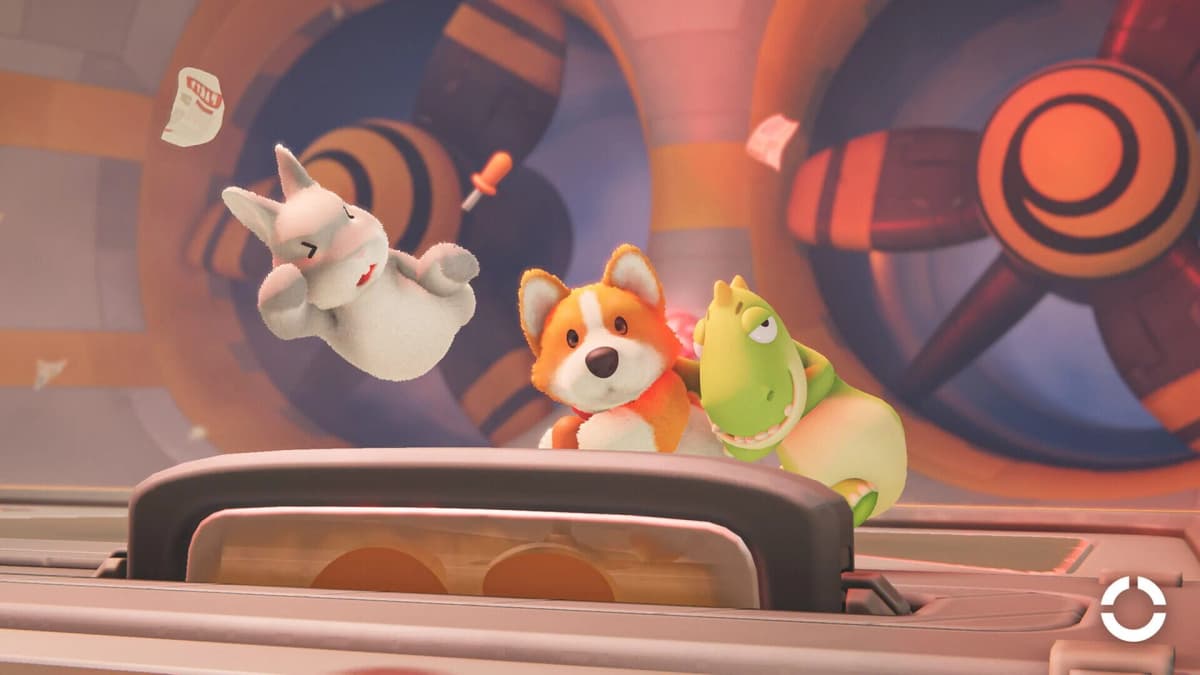
That is the classic apology mistake. If your community is telling you the premise is rotten, asking whether they’d still like the rotten premise with a softer caption does not rebuild trust. It signals that the studio still doesn’t fully understand why players are angry. An apology that is immediately followed by “but should we still do it?” is not really an apology. It is market testing with sad music playing over it.
PCGamesN also reported that the event post later returned an error, suggesting the promotion may have been pulled or at least reworked. That is probably the least bad option available now. But deleting the page is not the same as answering the underlying question: why was “AI must be the core creative tool” ever considered a good fit for this audience?
Steam reviews are becoming the blunt instrument studios keep pretending not to understand
The review-bomb angle matters, but not for the usual hand-wringing reason. Yes, Steam reviews are a messy feedback mechanism. They are also one of the few highly visible pressure points players know will get a studio’s attention. When people feel ignored on social, unsupported in forums, or patronized by official messaging, they go where the numbers hurt.
That pattern keeps repeating across PC gaming. Recent examples in the wider market have shown how quickly Steam sentiment can swing when players think a developer has crossed a line, whether that line is balance, monetization, or now AI. The uncomfortable truth is that stores are no longer just storefronts. They are protest venues with recommendation algorithms attached. Once recent reviews turn, the damage stops being cosmetic.
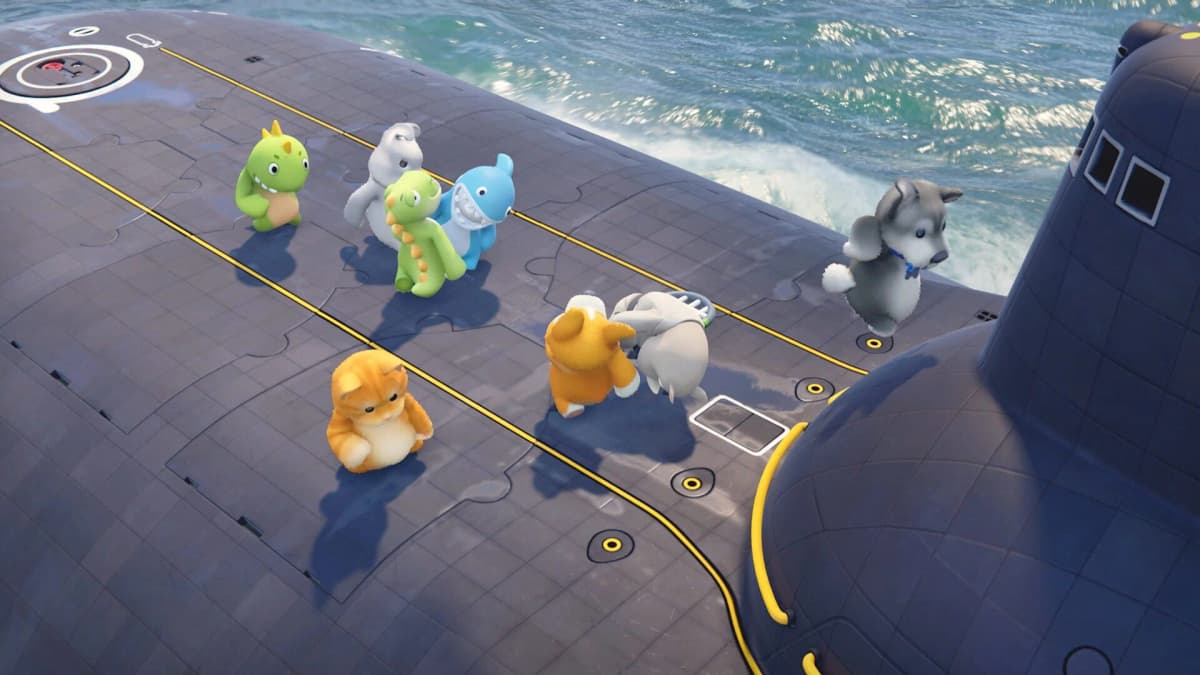
And in this case, the backlash was especially predictable because Party Animals is not some faceless annual franchise. It sells charm. It sells personality. It sells the feeling that this is a goofy, social game built for people messing around together. That brand takes a bigger hit when the studio suddenly starts talking like a tech demo host.
The real question is whether Recreate treats this as a wording problem or a values problem
This is the question I’d put to the studio directly: was the mistake the communication, or the contest itself? Because those are very different answers. If Recreate thinks the only issue was phrasing, expect another AI-flavored community initiative with cleaner language in a few months. If it understands that players objected to the premise, not just the wording, then the next move should be obvious: replace the AI-first structure with a normal fan creation event that actually celebrates human work.
What to watch next is pretty concrete. First, whether the Golden Paw Awards returns in any form, and if so, whether AI remains mandatory, optional, or gone. Second, whether Recreate issues a fuller statement that explains who approved the original rules and what changed internally after the backlash. Third, whether Steam recent reviews recover quickly or stay poisoned for weeks. That last metric matters because temporary outrage is survivable. A lasting trust problem is not.
Right now, this looks less like a debate over one contest and more like a warning shot for every studio tempted to slap “creator empowerment” on top of generative AI and hope nobody notices the contradiction.
FinalBoss // Gear
Level up your setup
01Retro consoleson Amazon→028BitDo controllerson Amazon→03Capture cards (Elgato & more)on Amazon→04Discounted game keyson Kinguin→
Affiliate links · As an Amazon Associate, FinalBoss earns from qualifying purchases.
Want to Level Up Your Gaming?
Get access to exclusive strategies, hidden tips, and pro-level insights that we don't share publicly.
Ultimate Gaming Strategy Guide + Weekly Pro Tips