
Chess Meets Roguelike Chaos in Passant
Game intel
Passant
Passant is a chess roguelike. Gather powerful pieces, items to win unwinnable games and badges which can provide power-ups and change how the game is played.
Passant: A Mad Roguelike Experiment in Chess Chaos
Chess has long been the gold standard of turn-based strategy, but after centuries of perfect play, some of us crave unpredictability. Enter Passant, the indie creation from solo developer Marc Makes Games that slams traditional chess rules on their head. It’s part deck-builder, part roguelike and 100% pure chaos—complete with explosive pawns, poisonous tiles and emergent combinations you never saw coming.
Why Passant Shakes Up Chess
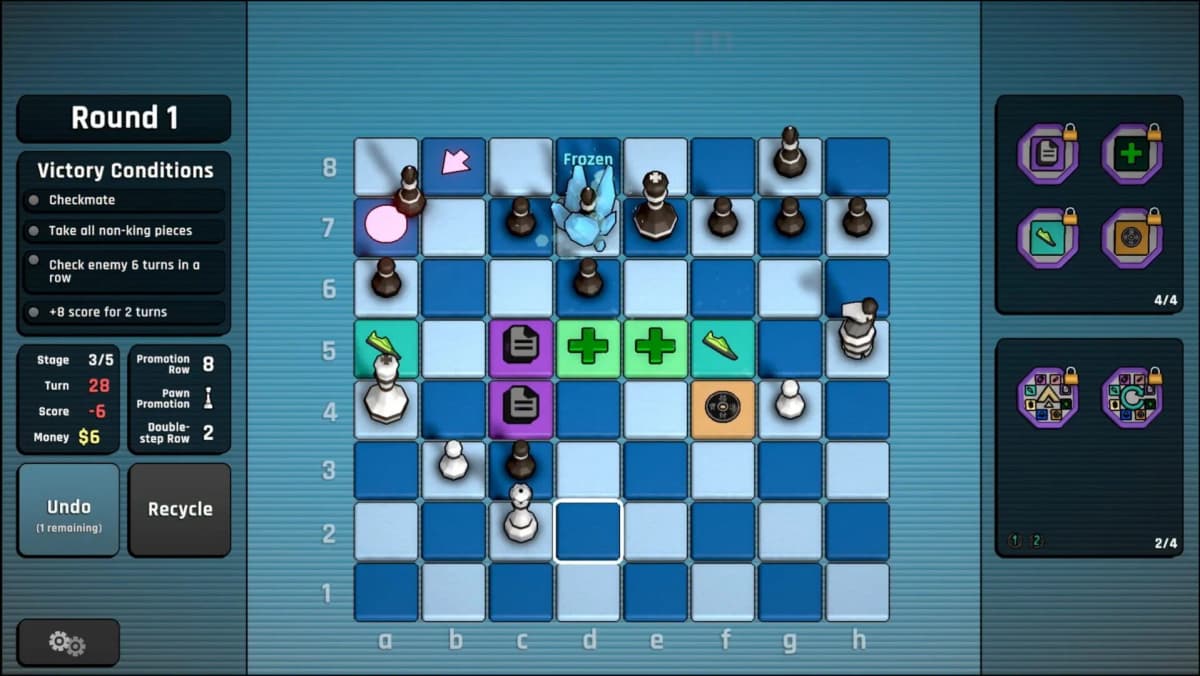
Instead of memorizing opening lines and studying classic master games, Passant invites you to embrace improvisation. Every playthrough is a new journey through procedurally generated “floors,” each offering unique upgrades, badges and modifiers. By the time you reach your third match, your board might be bristling with laser-rifled knights or freezing fog that slows every piece. It’s a riot of ideas built on a chess foundation.
Balatro’s Roguelike Heart
If you’ve spent time on Balatro runs—where poker hands meet roguelike upgrades—you’ll feel instantly at home. Passant borrows that shop-and-upgrade loop: after clearing a floor, you choose from randomized badges, buy power-ups with earned gold or gamble on mystery items. One round might award you a “Double-Move” badge letting a rook barreleye through two squares at once; another might pin you with a “Slow Fog” that halves your speed. That tension between risk and reward is pure roguelike magic.
Modifiers That Blow Up the Board
Passant’s real appeal lies in over 100 badges that can radically reshape the board. Here are just a few examples:
- Explosive Pawn: Pawns detonate on capture, taking out adjacent squares.
- Poisonous Tile: Stepping onto a marked tile damages any piece.
- Firestorm Bishop: Diagonals leave burning trails, restricting enemy movement.
- Teleporting Queen: Jump anywhere once per match, creating sudden threats.
Mixing and matching these badges leads to dazzling—and occasionally unhinged—interactions. I once combined “Explosive Pawn” with “Reflective Armor,” turning each kamikaze pawn into a minefield that stunned opponents for extra damage.
Strategy vs. Mayhem: Finding the Balance
Passant isn’t just button-mashing chaos. Beneath the carnage lies strategic depth: planning your badge selection, managing limited gold and anticipating how your modified pieces will mesh. A well-timed “Shielded Knight” upgrade can hold the line while your “Freeze Trap” pawns whittle down attackers. But prepare to throw out most of your old chess advice—opening theory, endgame tablebases and all. Here, flexibility reigns.
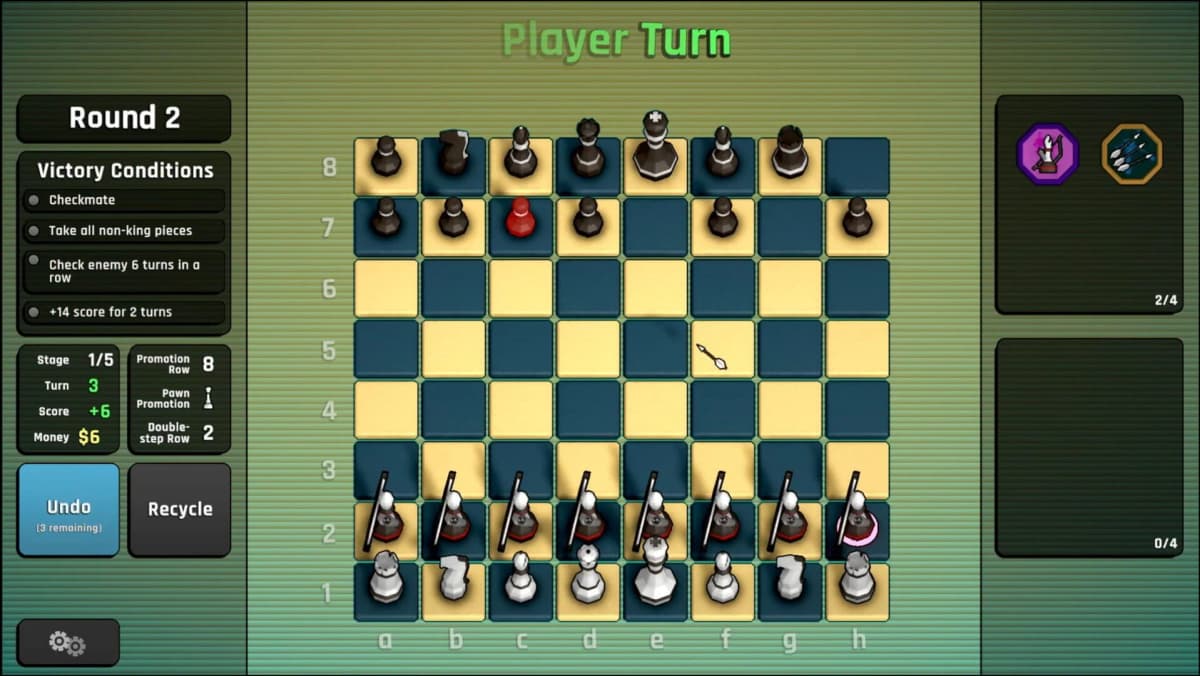
Veteran chess players may bristle at the unpredictability, but even the most buttoned-up grandmaster can appreciate creative experimentation. I found myself abandoning long-planned gambits in favor of adapting to an exploding board that demanded quick thinking over rote memorization.
Want to Level Up Your Gaming?
Get access to exclusive strategies, hidden tips, and pro-level insights that we don't share publicly.
Ultimate Gaming Strategy Guide + Weekly Pro Tips
First Runs and Fast Chaos
My initial Passant run started calmly—standard pawns, knights and bishops. By floor three, I had “Poisonous Tile,” “Explosive Pawn” and a “Chain Lightning Rook.” Matches turned into chaotic showdowns where each move felt like pulling a slot-machine lever. That blend of tension and delight is exactly what indie chess needed.
Conclusion: Is Passant Worth the Leap?
At $10.79/£8.99, Passant is a budget-friendly thrill ride. It’s certainly not a replacement for competitive chess, but it offers a fresh avenue for those tired of flawless play. The key question: can the badge system avoid feeling too random over dozens of hours? Early signs are promising—each modifier shift steers you toward new tactics, keeping runs from going stale.
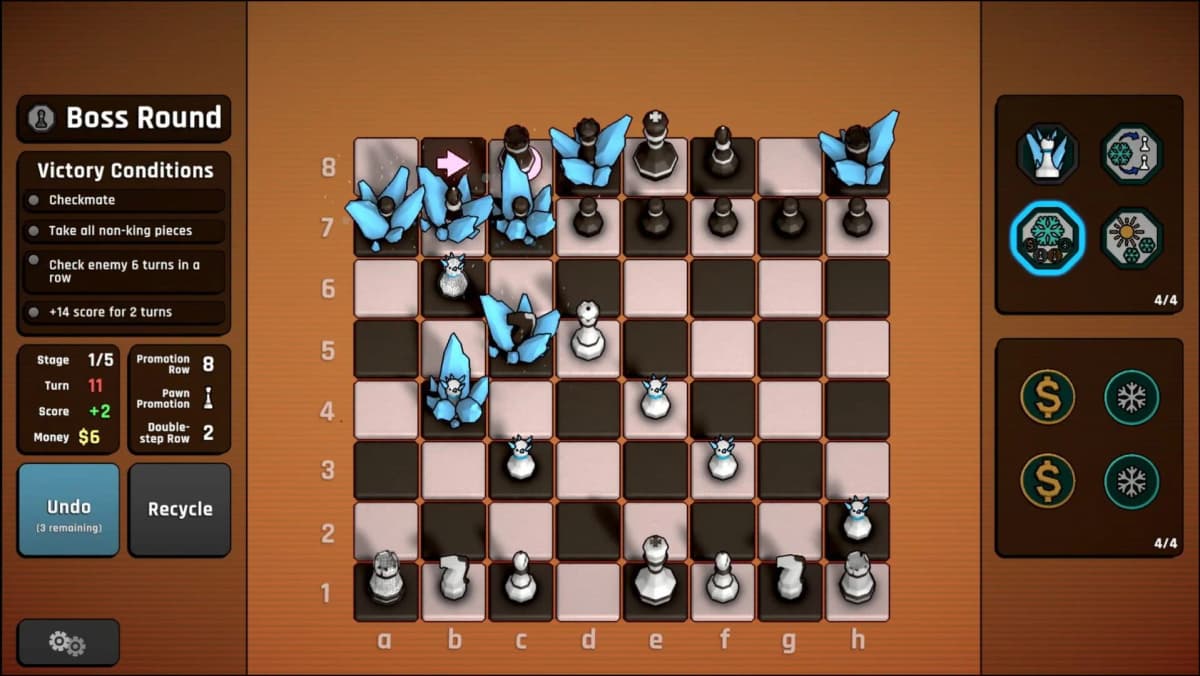
If you’ve ever wondered what would happen if chess went off its rails, Passant has your answer. It may not stick the landing with every combination, but its creative audacity is a breath of fresh air in strategy gaming. Give it a spin, embrace the chaos—and don’t be surprised if your trusty rook ends up as cannon fodder.
TL;DR
Passant transforms chess into a deck-builder roguelike packed with 100+ modifiers. Purists may sigh, but anyone seeking strategic mayhem will find a wild, ever-evolving playground.