
Patch 3.0.0 and 3.0.1 matter because Blizzard isn’t just shipping expansion scaffolding here. It’s trying to fix the part of Diablo IV that has repeatedly needed fixing: the stretch where your build is online, your gear starts blurring together, and the endgame has to do the heavy lifting. Raising the level cap, reworking skill and loot incentives, and upgrading the tower endgame into something more rewarding is Blizzard admitting that “more Diablo” was never enough on its own. The real pitch is sharper progression and fewer dead systems.
Table of Contents (7)
Key takeaways
- Level cap increases to 70, which is less about a number bump and more about resetting long-term progression for expansion-era builds.
- Skill tree and class balance changes look aimed at build flexibility, not just raw power creep – a necessary distinction for a loot RPG already drowning in edge-case multipliers.
- The endgame tower changes are the most important part of 3.0.1. Better rewards and a clearer identity for The Artificer’s Tower could finally turn it into an activity players run because they want to, not because a season journey told them to.
- Weapon gem multipliers, loot system adjustments, accessibility options, and a wall of bug fixes suggest Blizzard knows the expansion can’t land if the baseline game still feels cluttered or sloppy.
This is Blizzard trying to make progression feel meaningful again
The obvious headline is the level cap going to 70 alongside Lord of Hatred. Fine. Numbers go up. Diablo players are not exactly new to that concept. What matters is what that increase is supposed to do structurally. A cap raise only works if the path to it changes how your character develops, not if it just adds another few evenings of autopilot grinding before you return to the same stale decisions.
That’s why the skill tree reworks and class balancing matter more than the cap itself. Background reporting around 3.0.0 points to more flexible skill trees and broader class updates, and that’s the right target. Diablo IV has spent much of its life oscillating between “your build fantasy is viable” and “congratulations, you’ve discovered this season’s three legal choices.” If Blizzard is serious about expansion-era longevity, it needs more than one or two meta builds per class wearing different hats.
If I were in the room with PR, the question would be simple: how much of this progression update is real choice, and how much is just another reshuffle of mandatory nodes and stat math? Because players can tell the difference fast. They always do.
The tower rework is the part that actually decides whether 3.0 sticks
Patch 3.0.1’s most telling change is the tower overhaul. Reports describe the mode being upgraded and renamed as The Artificer’s Tower, with improved loot rewards. Good. It needed that. Endgame activities in ARPGs live or die on one brutally simple test: does the reward loop justify the friction? If the answer is no, the mode becomes background noise no matter how many proper nouns Blizzard wraps around it.
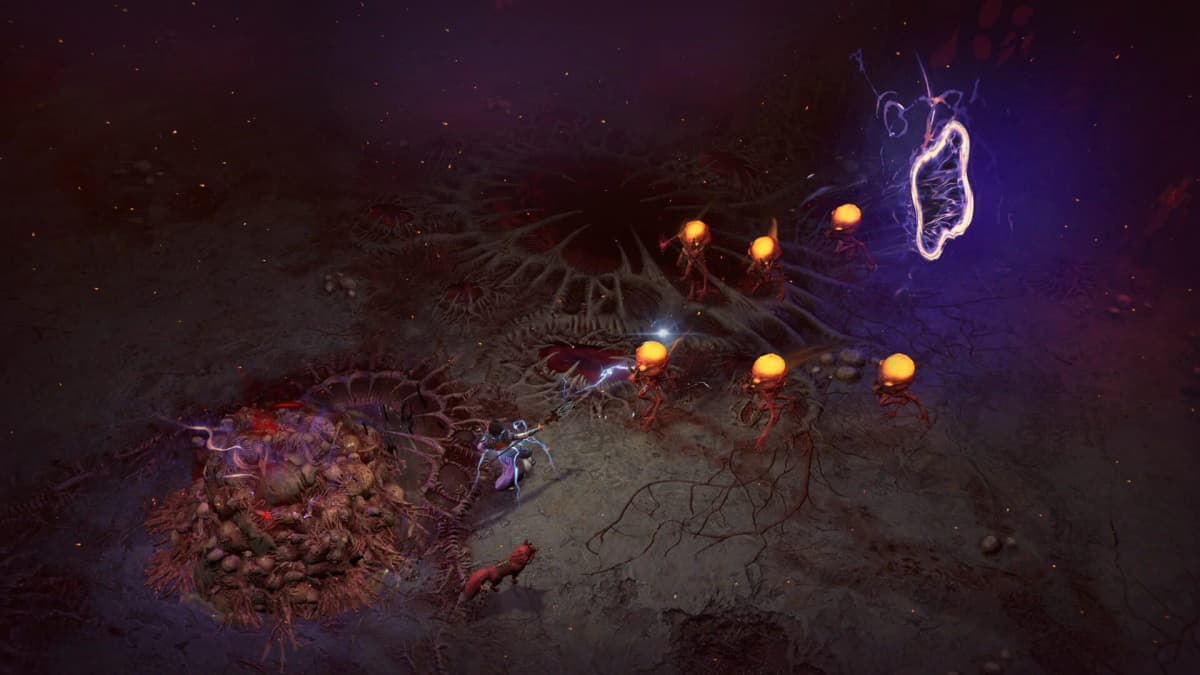
That’s the uncomfortable observation here: Diablo IV has not consistently earned player trust on endgame reward density. Too often, the game has felt like it wanted applause for offering options that players immediately optimized into irrelevance. A renamed, upgraded tower is only meaningful if the loot cadence, failure tension, and build-testing value are noticeably better within the first week. Not in a dev blog. In actual player routing.
The reason I’m more interested in the tower than the marketing-friendly class reveals is that endgame modes expose whether Blizzard’s itemization philosophy has matured. If The Artificer’s Tower becomes the place where weird builds can push, adapt, fail, and still come away with worthwhile loot, then 3.0 has teeth. If it’s just another chore with a shinier reward chest, players will strip it for parts and go back to whatever route yields the best drops per minute. That’s how this genre works. Romance dies quickly in the face of spreadsheet reality.
The loot changes look smarter than they sound
Weapon gems moving toward multiplicative damage bonuses is exactly the kind of patch-note line that sounds dry and ends up changing a lot. Multipliers reshape priority lists. They affect breakpoints, build valuation, and whether a piece of gear feels like a sidegrade or a jackpot. In a game that has already spent years teaching players to read item text like tax law, Blizzard needs these systems to be legible as well as powerful.
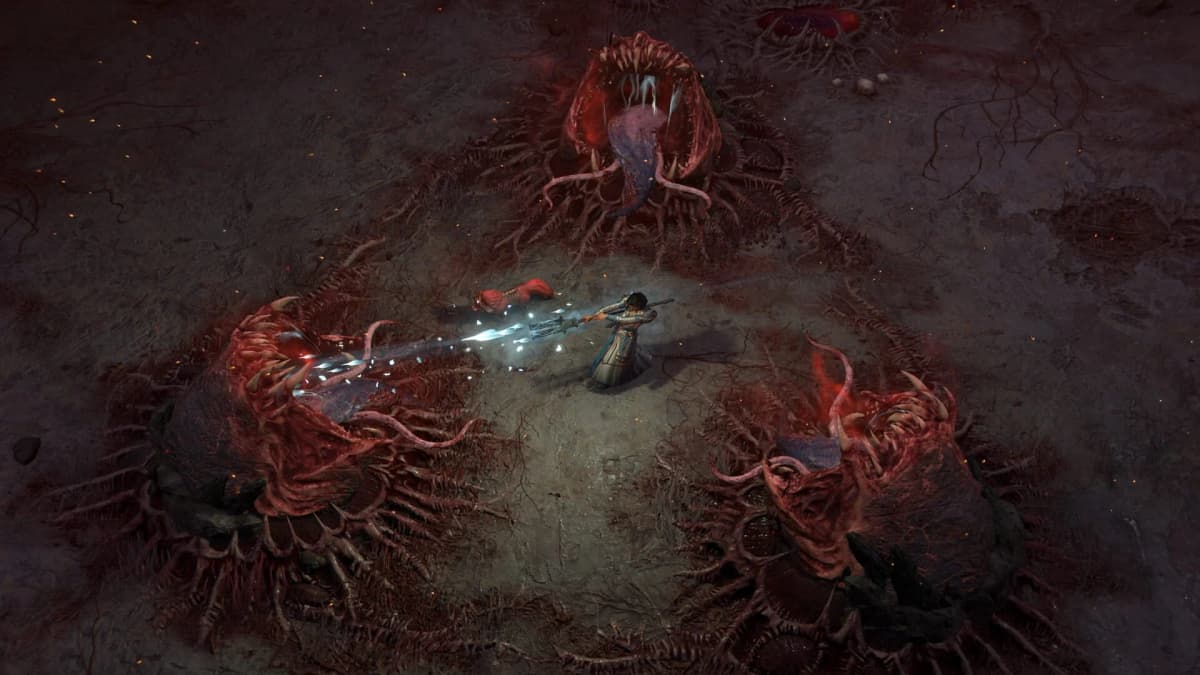
That’s also why improvements to enemy affix readability matter. Not because “clarity” is sexy, but because Diablo IV has too often buried danger and value under visual clutter. Better readability means fewer cheap-feeling deaths and faster decision-making. In a loot game, friction is only fun when it creates interesting choices. If players can’t parse what killed them or which reward path is worth the run, that’s not challenge. That’s noise.
The Horadric Cube and talisman systems introduced around this expansion push in the same direction: giving players more reasons to care about items that would otherwise be salvage fodder. One report even notes Blizzard intentionally seeded at least one basically useless item to interact with the new cube economy. That’s either clever systemic design or a joke that gets old fast depending on execution. Still, the broader intent is solid. Diablo IV has needed more ways to convert trash into agency.
Quality-of-life isn’t filler here – it’s Blizzard cleaning up old debts
The accessibility additions, audio and graphics improvements, performance work, UI fixes, pathfinding tweaks, and broader bug cleanup in 3.0.1 aren’t side dishes. They’re overdue maintenance on a live game that wants to sell players on a major new chapter. And Blizzard knows better than most that expansions don’t just compete with other games anymore; they compete with player fatigue. If logging in still means wrestling with unreadable affixes, awkward inventory logic, or random quest bugs, no amount of lore-heavy expansion branding is going to save the mood.
There’s a historical pattern here. Diablo IV has generally looked strongest when Blizzard stops trying to impress everyone with scale and instead fixes the practical stuff players touch every session: progression pacing, item usefulness, encounter readability, build experimentation, friction in the UI. Patch 3.0.1 reads like a studio that finally understands those boring wins are what make the flashy content land.
What to watch over the next two weeks
Three things will tell us very quickly whether these patches are transformative or just competent pre-expansion housekeeping.
- First: how fast top players solve the new cap and skill meta. If the same narrow build hierarchy reappears immediately, the flexibility talk was mostly decoration.
- Second: whether The Artificer’s Tower becomes part of the real endgame rotation. Watch streamer routing, build guides, and farm recommendations. If serious players keep returning to it after the novelty window, Blizzard got the reward tuning right.
- Third: how players talk about loot after a week, not a day. Early excitement around new gems and cube interactions means nothing if inventories are still clogged with near-identical junk and salvage decisions still feel automatic.
Practically speaking, returning players should treat 3.0 as a systems patch first and a content patch second. Go in expecting your old assumptions about leveling, gearing, and endgame priority to be at least partially outdated. That’s the healthiest way to approach a Diablo overhaul, and for once Blizzard seems to be giving you a reason to do it.
TL;DR
Diablo IV Patch 3.0.0 and 3.0.1 raise the level cap to 70, adjust skills and loot, overhaul the tower endgame, and stack in a long list of quality-of-life fixes ahead of Lord of Hatred. The important part isn’t the raw amount of stuff – it’s that Blizzard is clearly trying to repair progression, reward clarity, and endgame purpose all at once. Watch whether The Artificer’s Tower stays relevant after launch week, because that will tell you whether this is a genuine reset or just cleaner packaging.
FinalBoss // Gear
Level up your setup
01Top-rated gaming headsetson Amazon→02High-refresh gaming monitorson Amazon→03Gaming chairson Amazon→04Discounted game keyson Kinguin→
Affiliate links · As an Amazon Associate, FinalBoss earns from qualifying purchases.
Want to Level Up Your Gaming?
Get access to exclusive strategies, hidden tips, and pro-level insights that we don't share publicly.
Ultimate Editor's Pick Strategy Guide + Weekly Pro Tips