
Table of Contents (4)
Why this matters: a new class and a whole new kind of dungeon
This caught my attention because Path of Exile 2 has been starved for a truly fresh class since launch – and Grinding Gear Games just dropped the final all-new addition: the Druid. It’s the first true strength/intelligence hybrid in PoE 2, it shapeshifts between Bear, Werewolf and Wyvern forms, it brings back spell totems with a twist, and it arrives alongside Fate of the Vaal, a player-built Vaal Temple league that encourages strategic layout and time travel shenanigans. For players who love build creativity, this is a big deal – but GGG also admitted a chunk of planned endgame content is being pushed to the next season, so temper the hype.
- Final new PoE 2 class: the Druid – a shapeshifting STR/INT hybrid with three distinct forms
- Fate of the Vaal league introduces a player-built temple you modify room-by-room and a time-travel story beat with Queen Atziri
- Spell Totems return but now cost charges, ascendancies add massive new systems — balance headaches likely
- GGG promises performance gains and many gem/ascendancy reworks, but core endgame content was delayed
Breaking down the Druid — what you’ll actually play
The Druid isn’t a single gimmick — it’s three playstyles stitched into one character. Equip an Animal Talisman and you pick Bear (tank and Rage generator), Werewolf (speed, cold/ice synergies and minion marks) or Wyvern (versatile melee/ranged with corpse-eating Power charge mechanics). Switch forms feels “seamless and immediate” according to GGG: cast a Bear spell and you go bear, cast a Wyvern spell and you snap into that shape. That design is smart because it rewards fluid switching rather than clunky toggles.
Mechanically the class is interesting and risky. Spell Totems return, but now they commonly require spending charges — Endurance, Power, etc. That ties to the Druid’s resource systems and encourages cross-form synergies (Bear generates Rage, Wyvern devours for charges, Werewolf consumes Rage for temporary buffs). There are two ascendancies with potentially game-shifting effects: Shaman leans into elemental storms and Rage scaling, while Oracle adds huge passive-tree expansions and “visions” that alter combat timing. Those sound cool on paper and terrifying for balance maintainers.
Fate of the Vaal — player-built temple and time travel
Fate of the Vaal isn’t just another map pool reskin. You build the underground Vaal Temple yourself by placing six interconnected chambers in a grid. Placement matters — connect a Smithy to a Golemworks and you unlock synergies. Progression even ties into the story: after meeting Doryani you can leap back to the Vaal’s golden age and attempt to stop Atziri’s experiment. The payoff is high-power toys: second-corruptions, Soul Cores (like the Flesh Surgeon that replaces limbs with temporary robotic augmentations), and the thrill of fighting Queen Atziri in her prime.
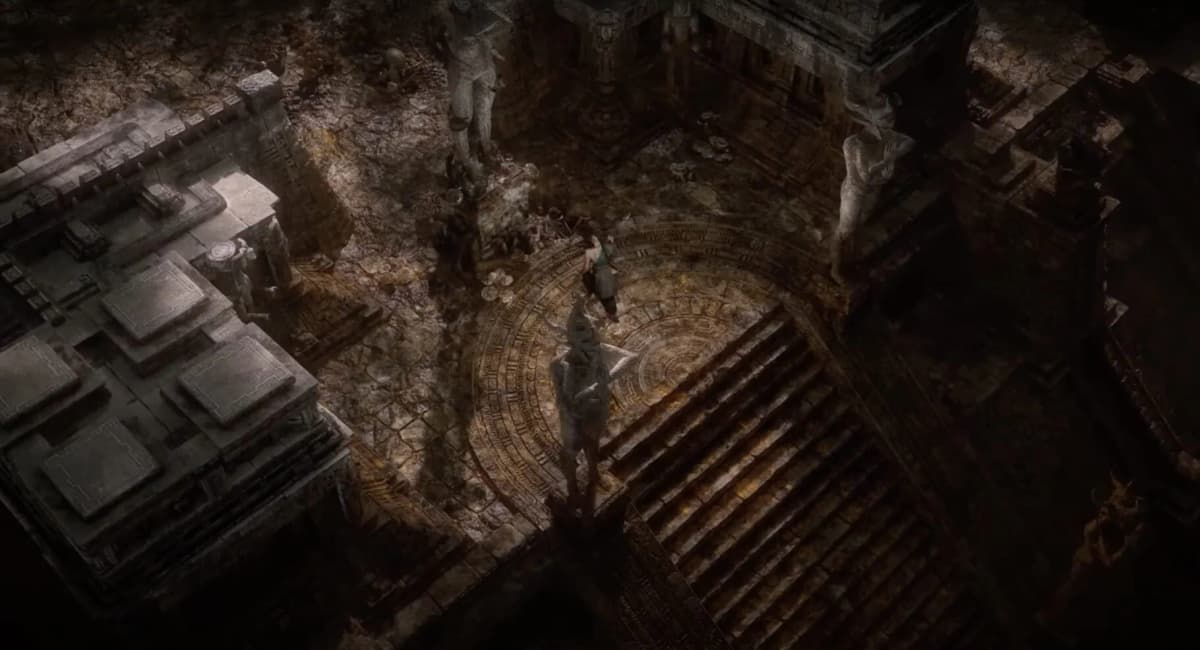
But these rewards come with teeth. A device that allows a second corruption has a 50% chance to outright destroy your item. That risk/reward loop is classic Vaal: deliciously powerful, potentially soul-crushing. The Flesh Surgeon limb upgrades are cool and flavorful, but their bonuses vanish on death — which makes survival gameplay and risk management feel central in this league.
Why now — and what GGG quietly admitted
GGG’s team openly said there was “a large amount of content for endgame planned,” but scope forced them to defer it to the next season. That transparency is welcome, but it matters: PoE thrives on deep endgame systems. The Druid and temple add new toys and a compelling league loop for the holidays, yet the biggest promised overhaul didn’t make the cut. Expect explosive new builds and meta churn from the Druid, but don’t expect the full endgame makeover just yet.
On the plus side, performance upgrades claim “at least 25% higher” frame rates and reduced CPU spikes, monster-scaling has been reworked to favor tougher, fewer enemies in high-tier maps, and dozens of gems, supports and ascendancies have been tweaked. GGG is trying to smooth the experience even as they expand complexity.

FinalBoss // Gear
Level up your setup
01Top-rated gaming headsetson Amazon→02High-refresh gaming monitorson Amazon→03Gaming chairson Amazon→04Discounted game keyson Kinguin→Affiliate links · As an Amazon Associate, FinalBoss earns from qualifying purchases.
Want to Level Up Your Gaming?
Get access to exclusive strategies, hidden tips, and pro-level insights that we don't share publicly.
Ultimate Gaming Strategy Guide + Weekly Pro Tips