
Path of Exile 2’s May 29 update matters for one blunt reason: Grinding Gear Games is not “expanding” the endgame so much as rebuilding it after realizing the old post-campaign loop wasn’t carrying the weight. Return of the Ancients looks less like a routine seasonal patch and more like an emergency-quality correction wrapped in a very generous content drop. That’s not a bad sign, by the way. In a genre where studios love pretending every overhaul was always part of the master plan, GGG is at least doing the useful thing: ripping up the floor before 1.0 instead of pretending the furniture placement is the problem.
Patch 0.5.0 launches May 29, 2026 PDT, with full patch notes due May 21 after extra endgame testing. GGG is calling it the biggest single update for either Path of Exile 2 or the original Path of Exile. That’s a big claim in a franchise built on absurdly big patches, but the details suggest this one earns it: a complete Atlas redesign, new quest-driven endgame progression, corrupted zones, Ancient Strongholds, 15 bosses, four Pinnacle encounters, two new Ascendancy classes, reworked league mechanics, expanded crafting, and the new Runes of Aldur system. Several reports also peg it at more than 50 hours of added endgame content. That’s not “more stuff to do.” That’s GGG trying to answer a more dangerous question: why should players stay once the campaign is done?
Table of Contents (4)
The real fix is structure, not volume
Most ARPGs panic when players say “endgame feels thin” and respond by dumping more activities into the pile. More bosses. More modifiers. More currencies. More tabs to stare at until your build calc looks like tax fraud. Return of the Ancients seems to be taking a smarter route. The big shift isn’t just that the Atlas is being reworked; it’s that the endgame is reportedly becoming more guided, more quest-driven, and more legible.
That matters because one of the easiest ways to lose returning players is to confuse friction with depth. Path of Exile veterans tolerate a lot of system clutter because they’ve spent years building up genre calluses. Path of Exile 2, despite the name, still needs to convert curiosity into long-term retention. If the post-campaign asks players to brute-force their own goals through a vague infinite Atlas, some will do it. A lot won’t. A more directed Atlas with fixed points of interest, clearer progression paths, and bosses tied to questlines is not “casualization.” It’s basic respect for player time.
This is the uncomfortable observation the press-release version would rather skip: if GGG is replacing the existing loop this aggressively, then the existing loop wasn’t good enough. And honestly, good. Early access is where you make that admission.
GGG is trying to solve the ARPG endgame trap before 1.0
The ARPG genre has a recurring disease. Campaigns are tutorials, endgames are spreadsheets, and somewhere in between a huge chunk of players quietly bounce off. Blizzard has been wrestling with versions of this problem in Diablo 4. Last Epoch has been praised for clarity but still faces the eternal “how long does this loop stay fresh?” question. Even the original Path of Exile, for all its brilliance, often treated comprehensibility like an optional side quest.
That’s why this update is more important than the raw feature list. Yes, 15 bosses and four Pinnacles sounds great. Yes, two new Ascendancies will get buildcrafters frothing immediately. Yes, new uniques, revamped league systems like Breach, Delirium, Ritual, and Expedition, plus expanded crafting, are exactly the kind of loot-driven bait this audience shows up for. But those are toppings. The actual meal is whether the endgame now has a shape.
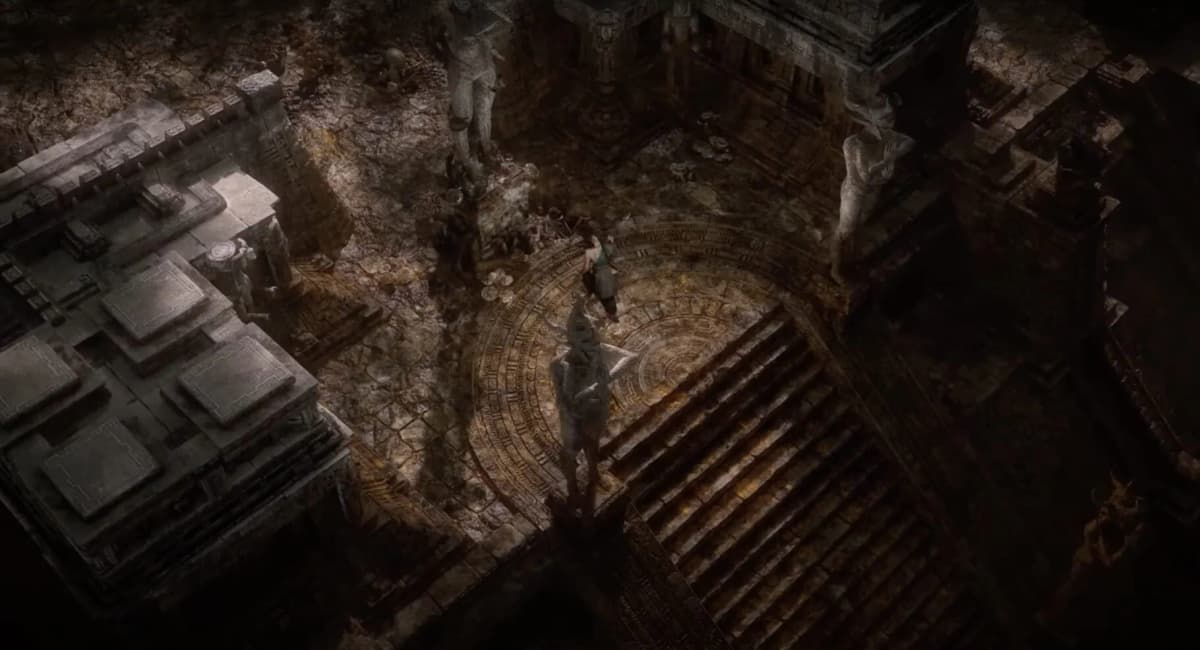
Reports around the patch describe Ancient Strongholds and a fortress-style endgame structure, with upgraded enemies, unique modifiers, and new boss encounters tied to the Ancients theme. There’s also a notable emphasis on endings: some coverage suggests GGG wants players to be able to “finish” the league endgame rather than live forever in an endless slurry of maps unless they choose to keep farming. That’s a subtle but important philosophical shift. Infinite grind works best when it sits on top of meaningful milestones, not in place of them.
The Runes of Aldur stuff looks cool, but it’s not the main event
The new Runes of Aldur feature and its runesmithing progression will get plenty of attention, and fair enough. New crafting layers are catnip in a game like this, especially when they come with a distinct resource hook like Runic Ward and a fresh progression path. If done right, it could be one of those league systems that graduates into core identity. If done wrong, it becomes one more mechanic buried under ten others, remembered mostly for requiring a spreadsheet and a YouTube dissertation.
That’s the question I’d put directly to GGG’s PR line: is Runes of Aldur genuinely integrated into the new endgame flow, or is it another side-system competing for attention inside an already busy game? Because the difference between “deep” and “bloated” in modern ARPGs is usually whether new mechanics reinforce the core loop or distract from it.
The good news is that quality-of-life additions reportedly include things like a build planner and in-game build guidance. That is the kind of unglamorous work that actually moves the needle. Veteran players may shrug at it. They shouldn’t. Every system-heavy game eventually has to decide whether its complexity is a strength or just poor onboarding with Stockholm syndrome.
This is also a quiet admission that 1.0 can’t afford another maybe
One detail hanging over all of this: Return of the Ancients is widely being framed as the final major update before Path of Exile 2 hits 1.0 later in 2026. That raises the stakes considerably. This patch is not just content. It’s validation. GGG needs proof that the game’s long-term structure is stable enough to stop re-litigating its foundation and start shipping toward launch.
And that’s where experienced players should keep their skepticism switched on. Big overhauls sound fantastic in reveal season. The harder part is whether the new Atlas actually feels better after 20, 40, 80 hours. Whether the new bosses are memorable or just mechanically louder. Whether the reworked endgame systems create cleaner goals or simply a more elaborate maze. GGG has more trust than most studios in this space because it has historically done the hard systems work instead of just inflating marketing language. But trust is not immunity.
- Watch the full patch notes on May 21 for one thing above all: how progression is paced through the new Atlas.
- Watch player sentiment during the first weekend after May 29, especially around build diversity and friction in the new endgame loop.
- Watch whether the new Ascendancies meaningfully expand the meta or just create two temporary winners before the next balance pass.
- Watch how often players describe the update as “clearer” rather than merely “bigger.” That’s the real success metric here.
FinalBoss // Gear
Level up your setup
01Top-rated gaming headsetson Amazon→02High-refresh gaming monitorson Amazon→03Gaming chairson Amazon→04Discounted game keyson Kinguin→Affiliate links · As an Amazon Associate, FinalBoss earns from qualifying purchases.
Want to Level Up Your Gaming?
Get access to exclusive strategies, hidden tips, and pro-level insights that we don't share publicly.
Ultimate Gaming Strategy Guide + Weekly Pro Tips