
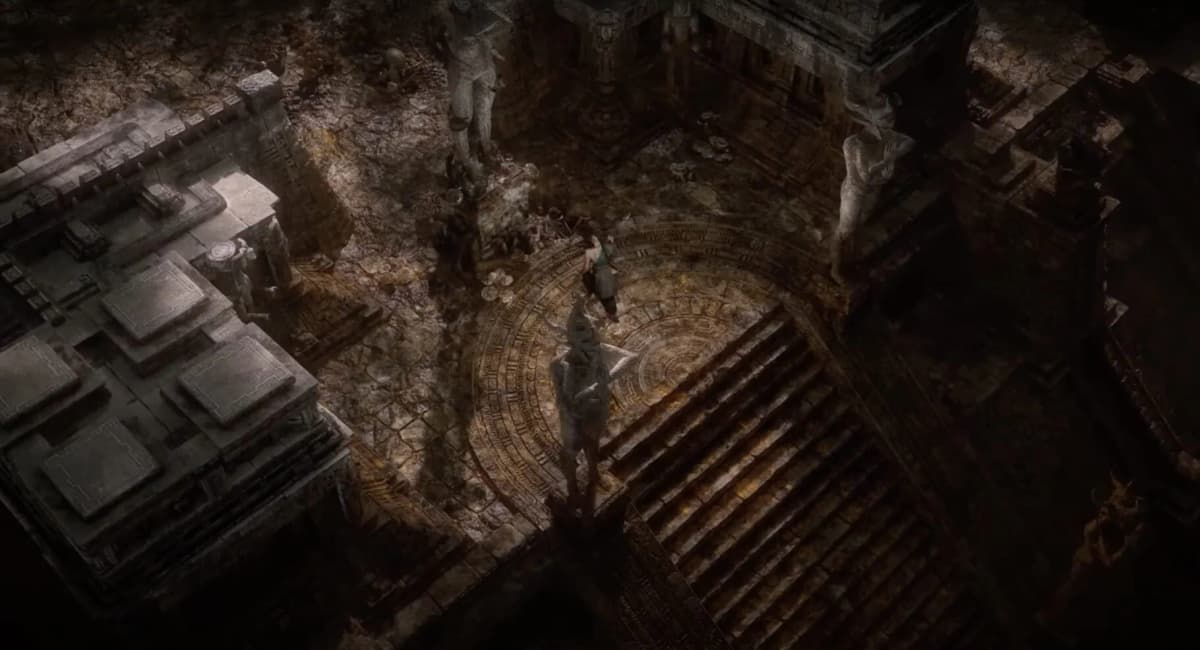
Path of Exile 2 patch 0.3.1 slashes map bloat, kills tower tax, and puts a boss in every map
Game intel
Path of Exile 2
Path of Exile 2 is a next generation Action RPG created by Grinding Gear Games. Set years after the original Path of Exile, you will return to the dark world o…
Endgame, unclogged: PoE 2’s surprise 0.3.1 update actually fixes pain points
This one caught my attention because it tackles the exact chores that made Path of Exile 2’s endgame feel like a part-time job. Patch 0.3.1-dropping the week of September 29-removes the Atlas tower requirement, shrinks the game’s biggest maps, adds a boss to every single map, and even gives Alchemy Orbs a new lease on life. It’s not the flashy 0.4.0 content dump, but honestly, this is the kind of housekeeping that makes mapping fun again.
Key takeaways
- No more tower tax: tablets now have charges and are applied directly to waystones, up to three per map.
- Faster clears: the 15 largest zones are smaller; early-tier monster packs are trimmed by 30%, scaling back up by tier 15.
- Every map has a boss: completion is now about a proper fight, not chasing the last rare around the minimap.
- Baseline juice: maps now guarantee 1-3 extra random features (Breach, Delirium, Ritual, Expedition, shrines, strongboxes, essences, wisps, rogue exiles, summoning circles).
- Alchemy Orbs work on magic items, replacing mods with four new ones-great for rolling waystones.
Breaking down the announcement
In a video addressing the community, game director Jonathan Rogers admitted what players already felt: “It’s no secret that we need to make some improvements to the endgame,” adding that while the major overhaul was planned for 0.4.0, “it might be nice to iterate on some of the more mechanical changes in 0.3.1 and just save the new content for 0.4.0.” Translation: GGG knows The Third Edict shipped with solid ideas and too much friction, so they’re cutting the friction now.
The biggest cut? Towers on the Atlas no longer gate your ability to spread modifiers. Instead, tablets have finite charges you consume directly on waystones, with up to three tablets per map depending on active mods. Towers still exist for Atlas visibility and now guarantee a tablet on completion, but the “do tower chores before you get to play your build” era is over. That’s a win.
Map bloat also gets addressed. The 15 largest zones are reduced in size, and early-tier monster pack sizes drop by 30% so those first mapping steps feel closer to the interlude campaign act. Density ramps back to current levels by tier 15, and open layouts intentionally have lighter group density to avoid 180-degree “got swarmed, died, alt-F4” moments. This feels like GGG finally admitting that bigger isn’t automatically better for map design.
Then there’s the structural change: every endgame map now has a boss, and beating that boss completes the map. As Rogers put it, “We have never really been happy with the base experience of how you complete a map.” No more hunting stray rares in a warehouse of corridors; your north star is a fight. The previously “boss-marked” maps are now “extra challenging” variants with the juicier rewards and tier upgrades you’re used to, which keeps progression and loot chasing intact without wasting your time.
On top of that, maps now always spawn one to three extra features chosen at creation, avoiding anything you already rolled (so if your tablet or map mod adds Expedition, the auto-features won’t duplicate it). It’s a subtle but meaningful move toward consistent juice without mandatory spreadsheet prep. The Atlas overlay loses those feature icons because they’re now generated at map creation, not pre-baked into the region.
Why this matters right now
This patch trims the “meta chores” that were sandbagging the season. Removing the tower tax speeds up how quickly you get into real content. The boss requirement gives mapping a purpose beyond hoovering up every icon—especially important for players who log in for a 20-30 minute session and want a defined loop with an arc and a payoff.
There’s economy impact, too. Alchemy Orbs being usable on magic items (and replacing their mods with four new ones as if from a white base) means Alchs aren’t dead currency in a world of tiers. Most players will feel this when rolling waystones—cheaper, faster, more precise than burning higher-tier currency on basic map setup. Expect a mild revaluation of mid-tier crafting flows.
Under-the-hood tweaks also matter: citadel spawns up 66% smooths Atlas progression droughts; ground-covering ailments (chill, shock, ignite) affect a smaller percentage of each region, cutting down on “standing in soup” builds getting blindsided; and Atlas Tree passives now target the new boss structure more cleanly. Rewards that used to specify “maps with a boss” now point to the marked, more powerful variants, while many boss-impact nodes still apply to the standard boss you’ll fight in every map.
Want to Level Up Your Gaming?
Get access to exclusive strategies, hidden tips, and pro-level insights that we don't share publicly.
Ultimate Gaming Strategy Guide + Weekly Pro Tips
The gamer’s perspective: wins, risks, and open questions
As someone who’s spent too much time pinballing between PoE 2’s interlude and early mapping, this patch hits the right problems. Faster layout, clear completion goals, baseline juice—it’s the antidote to momentum-killing busywork. Builds that lean on ramping density (ignite prolif, certain minion or on-kill engines) might feel slightly slower in early tiers, but the guaranteed features should offset that with more interactions per map.

Potential pitfalls remain. Will “extra challenging” boss variants deliver enough reward to justify the spike, especially for glass-cannon builds? How hard will the baseline bosses skew in higher tiers for SSF players? And with more guaranteed features, we’ll need to watch performance—PoE 2 runs better than PoE 1 in heavy scenarios, but Breach plus Delirium plus shrines can still turn your screen into a particle hurricane.
Still, the intent is obvious and welcome: GGG is front-loading quality-of-life and mechanical clarity now, then saving the big-ticket content for 0.4.0. If the studio keeps shipping surgical mid-season patches like this, PoE 2’s endgame might finally match the game’s excellent combat feel.
TL;DR
PoE 2 patch 0.3.1 kills the Atlas tower tax, speeds up maps, and makes every map completion hinge on a boss fight, while juicing baseline features and reviving Alchs. It’s not the content blowout—just the right fixes at the right time, and a clear step toward a smoother, more purposeful endgame loop.