
Path of Exile 2’s director says the early game was “tamed” on purpose — here’s why that matters
Game intel
Path of Exile 2
Path of Exile 2 is a next generation Action RPG created by Grinding Gear Games. Set years after the original Path of Exile, you will return to the dark world o…
Why Grinding Gear “dialed down the epicness” at the start – and why you should care
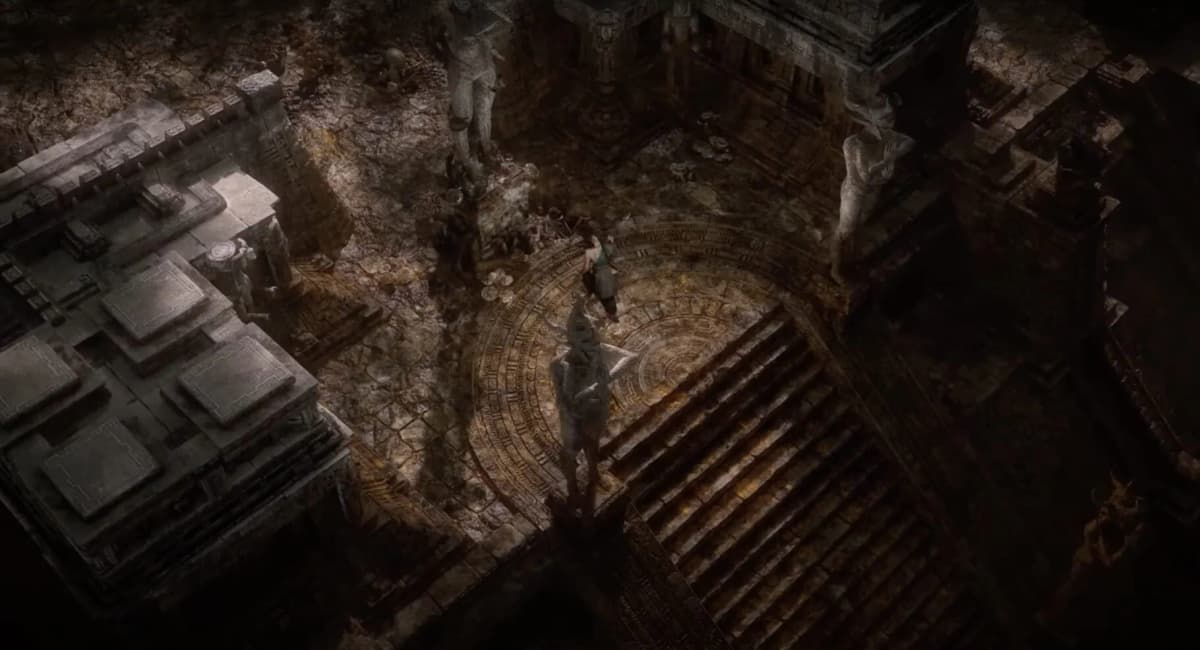
This caught my attention because Path of Exile has always been a game that throws players into chaos from minute one. PoE 2’s game director Jonathan Rogers told PCGamesN that Fate of the Vaal deliberately holds back the spectacle in the early acts. For veterans that sounds like sacrilege; for newcomers it could be the difference between loving the game and being completely lost.
- Rogers intentionally scaled down act one to avoid overwhelming new players.
- Aztiri’s return got extra iteration – the boss fight aims to live up to lore expectations.
- Core endgame features were delayed to hit quality bars; some backlash followed.
- GGG plans to revisit and expand acts 1-3, adding NPC conversations and unfinished areas.
Breaking down the design choice: less spectacle, better pacing
Rogers’ point is clear: PoE 1 frequently smashed players into bizarre events the moment they stepped off the beach – time travel, eldritch horrors, you name it. That works if you’ve already drunk the lore Kool-Aid, but it’s a brutal onboarding experience. By treating the earliest content as “a cool dungeon you can find” rather than the global apocalypse, PoE 2 aims to let players grow into the bigger beats so those moments land emotionally and narratively.
From a game design perspective this matters. Action RPGs have a retention cliff for new players; too much complexity or tonal whiplash in the first few hours and you lose them. PoE 2’s slower ramp is an admission that even hardcore ARPG audiences benefit when a game respects pacing. It’s not pure conservatism — it’s a deliberate accessibility play without dumbing down endgame depth.
Aztiri: fan service or careful resurrection?
Bringing Aztiri — one of Path of Exile’s iconic antagonists — into PoE 2 was never going to be a light task. Rogers admits they iterated more than usual and had a lot of internal voices weighing in. That’s a double-edged sword: it can produce a spectacular boss encounter, or it can bloat design. According to Rogers, they landed on something they hope “does her justice,” and he teases mechanics in the fight he won’t spoil. If the studio nailed it, this is a legitimate mid-season highlight that respects lore and veteran expectations.
What about the missing endgame and the backlash?
The community’s anger about absent endgame features is understandable. GGG promised certain systems and admitted late in the cycle that those features wouldn’t reach the quality bar in time, so they landed in a follow-up patch (0.5). Rogers owns the mistake and frames it as a learning curve: PoE 2’s quality bar is higher, so delivery timelines stretch. That honesty helps, but players will still judge on results. Delays are acceptable if the follow-up actually improves late-game longevity and systems — not if they become perpetual promises.
Want to Level Up Your Gaming?
Get access to exclusive strategies, hidden tips, and pro-level insights that we don't share publicly.
Ultimate Gaming Strategy Guide + Weekly Pro Tips
Revisiting the early game: why acts 1-3 matter long term
Rogers also confirmed plans — aspirational but sincere — to revisit acts one to three. Changes mentioned include giving player characters active dialogue during NPC scenes (as act four does), finishing islands and exploratory areas that were left incomplete, and expanding the open-world feel. That’s big: it means PoE 2 is being treated as a living campaign, not a static product. If GGG follows through, the early acts could grow from tutorial corridors into meaningful areas with replay value.
Why now? The team is learning from the reception of the live season and the technical realities of a new engine and feature set. The decision to keep Fate of the Vaal content in some form after the season ends — with tweaks — also suggests GGG is moving toward a more modular, persistent live-service structure for narrative seasons.
What players should expect
- If you’re new: the early campaign will feel friendlier and more comprehensible than PoE 1’s shock-and-awe start.
- If you’re a veteran: expect Aztiri to be a showpiece, but don’t be surprised if some endgame promises arrive later than hoped.
- If you’ve paused PoE: the live league is on Steam now (free weekend reportedly runs until Dec 15), and there are rewards for trial players who buy in.
TL;DR — The good, the cautious, and what to watch
PoE 2’s team chose better pacing over instant spectacle, Aztiri is getting a carefully crafted return, and GGG plans to expand early acts and polish endgame systems. That’s promising — but the studio’s credibility will hinge on delivering the delayed features and the promised act revisions without turning “later” into “never.” For now, the league is live and it’s a good time to see whether PoE 2’s quieter opening makes the thunder that follows actually hit harder.