
Table of Contents (9)
The moment Pathologic 2 finally sank its claws into me
I bounced off Pathologic 2 three separate times before it finally clicked. Each run ended the same way: me, exhausted and pissed off, staring at Artemy Burakh’s status bars as they all quietly circled the drain. Hunger in the red, exhaustion creeping up, infection simmering in the background, pockets full of junk and not nearly enough food or medicine. I would trudge back to a save point, die on the way to some random knifeman in a back alley, and watch as the game calmly slapped another permanent debuff onto my already-doomed body.
On that third attempt, late on an early in-game day, I hit my breaking point. I had one revolver bullet, half a loaf of bread, and a quest marker screaming at me from the other side of town. I did the math in my head and realized there simply was no clean way to do everything the game was asking of me. No perfect route, no hidden stash that would flip the run from “barely clinging to life” to “power fantasy.” Just bad options and worse options.
And that is when it stopped feeling like a “hard game” and started feeling like something else entirely. This was not the kind of difficulty I was used to resenting. This felt like a hostile universe bearing down on a fragile little human. It felt like a world that did not care whether I survived, and systems designed specifically to keep me from ever forgetting that.
That was the night I stopped treating Pathologic 2 like an annoying survival-horror curiosity and started treating it like the most maliciously brilliant game design experiment I have played in years. It also has not left my head since, even as Pathologic 3 crashes into the discourse and everyone pretends the series is suddenly “hot” again.
This is not “unfair difficulty” – it is weaponized despair
I am not some masochistic “git gud” evangelist. I like a tough action game, but I have absolutely called bullshit on fake difficulty for years. Spongey enemies, cheap one-shots, unreadable patterns, bad checkpointing – I have ranted about all of it. When people describe Pathologic 2 as “unfair” or “sadistic,” I understand where that reaction comes from. I just think, in this case, they are wrong about what that means.
Pathologic 2’s cruelty is not a bug or an oversight. It is the text. Ice-Pick Lodge takes every comfort players are trained to expect and rips it out by the roots. The town is sick, resources are scarce, no one trusts Artemy, and time is a constant enemy. The game does not just simulate a plague; it simulates how it feels to live inside one. It constantly pressures you until the idea of “playing optimally” starts to look insane compared to “limping across the day without losing someone important.”
Weapons are technically available – that revolver you can scrape together around Day 3 or 4 if you know the trading economy and hoard like a dragon – but the first time a random thug chunks most of your health bar with a single knife throw, the message is clear. Combat is not heroic. It is chaotic, clumsy and very likely a mistake. You are not supposed to feel like a badass doctor-warrior wading into the disease-riddled streets. You are supposed to feel like a guy in a long coat who will absolutely bleed out in the dirt if a panicked looter gets lucky.
And death is not a slap on the wrist. Each failure leaves a scar: reduced maximum health, weaker stats, new penalties that slowly turn every subsequent day into a tighter noose. The game does not quietly reload and pretend nothing happened. It remembers. It makes sure you remember, too. That is not “janky design.” That is design with teeth.
The stage lights are on, and you are trapped in the play
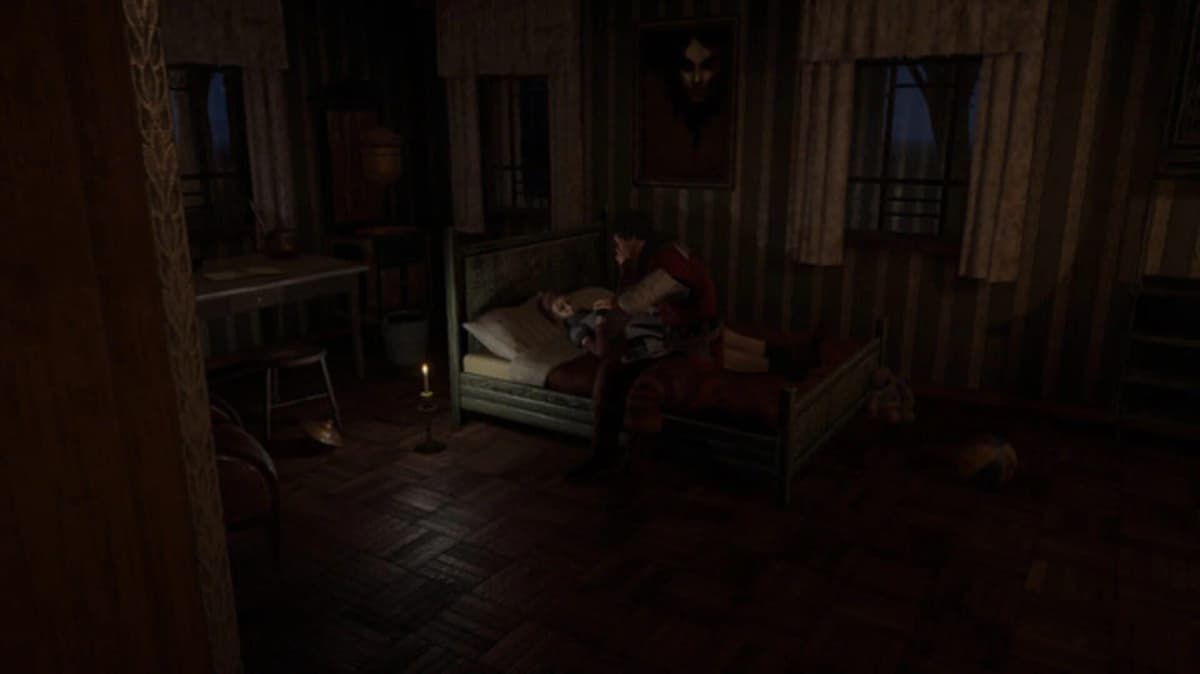
What really pushed Pathologic 2 from “mean survival game” into “obsession I cannot shut up about” is how its theatrical presentation meshes with that systemic hostility. This whole plague-ridden town is staged like a play. The opening literally throws you into a theatre with masked figures delivering meta-commentary. Conversations unfold like small, uncanny performances. Lighting snaps into stark contrasts, faces lean in too close, animations sell every twitch of menace and desperation.
Every time the camera swings in for a dialogue scene, it feels like stepping into a spotlight. NPCs do not behave like incidental open-world filler. They feel like actors who have been waiting all day for you to arrive, ready to deliver their monologue and twist the knife. The kids bartering for organs with that unmistakable feral delight; the sick coughing into their sleeves between lines; the “important” town figures oozing condescension from every carefully framed shot – the direction is precise in a way most survival games do not even attempt.
That exaggerated theatricality means even simple mechanical choices get soaked in dread. Agree to treat someone, and the camera lingers just a beat too long on their hopeful eyes. Turn away, and the lighting seems to flatten, as if the world itself has judged you. It is melodramatic, sure, but in the best way: every choice, even a small one, feels like a scene you might want to walk out of but cannot.
Survival mechanics that actually make you feel like you are surviving
Most modern survival systems are busywork. Eat every fifteen minutes. Drink on a timer. Slap on a “cold” debuff so players craft more jackets. Pathologic 2 looks at that design trend and sets it on fire. Hunger, thirst, exhaustion and infection are not just status bars. They are the entire structure of how you plan a day.
The town runs on an unforgiving 12-day schedule. Time is always ticking, whether you are fumbling through a conversation or sprinting between districts. Tasks do not sit patiently in a quest log waiting for you to farm three wolf pelts and come back. People die if you are late. Leads dry up. Areas rot into plague zones that chew through your dwindling supplies. Every decision becomes a trade: do you burn precious daylight scavenging for food, or push one more lead on a potential cure and hope you can scrounge dinner from a garbage bin on the way back.
The sheer physicality of it all is what gets me. Run too much and your thirst spikes, which means you chug more water, which means you lose a valuable trading resource the kids love, which means that next bandage or bullet might be just out of reach later. Drink from a dirty source early on, and you gamble on getting sick. Get sick and suddenly basic movement around town turns into a slow-motion act of self-harm.
This cascading cause-and-effect makes the smallest “wins” feel like events. The night I wandered into an optional gathering, half-dead from hunger, and walked out with two massive food items for my trouble was one of the most intense surges of relief I have felt in any game. The mechanics did not change. The town was still hostile. But for the next in-game day, I was not starving, and that felt almost obscene. Relief, in Pathologic 2, is a high in itself.
The magic of tiny discoveries in a world that owes you nothing
What keeps this punishment from turning into a tedious slog is how much the game hides in its margins. Pathologic 2 is full of obscure conditions, weird little event triggers and blink-and-you-miss-them details that never show up in a quest log. The town feels like a machine that has been running for years before Artemy gets back, and it is not about to pause so the player can read every tooltip.
Someone mentions in passing that a certain group meets near the Termitary at a specific time. An offhand line about kids calling a stranger “Onion” and whispering about a “Shadow.” A building that looks oddly out of place in a district you usually sprint through on autopilot. None of these scream “content” in the Ubisoft sense. They are just there, waiting, and they will happily pass you by if you are too busy min-maxing loot routes.
That design induces a specific mindset: constant low-level paranoia and curiosity. Every alley looks like it might matter. Every time the clock creeps toward evening, there is this quiet fear that something important is happening somewhere, to someone, and Artemy is not there. When you do stumble into an event, or figure out a trading trick, or discover a stash that genuinely changes your immediate prospects, it lands with a weight that a neatly icon-marked “side quest” never could.
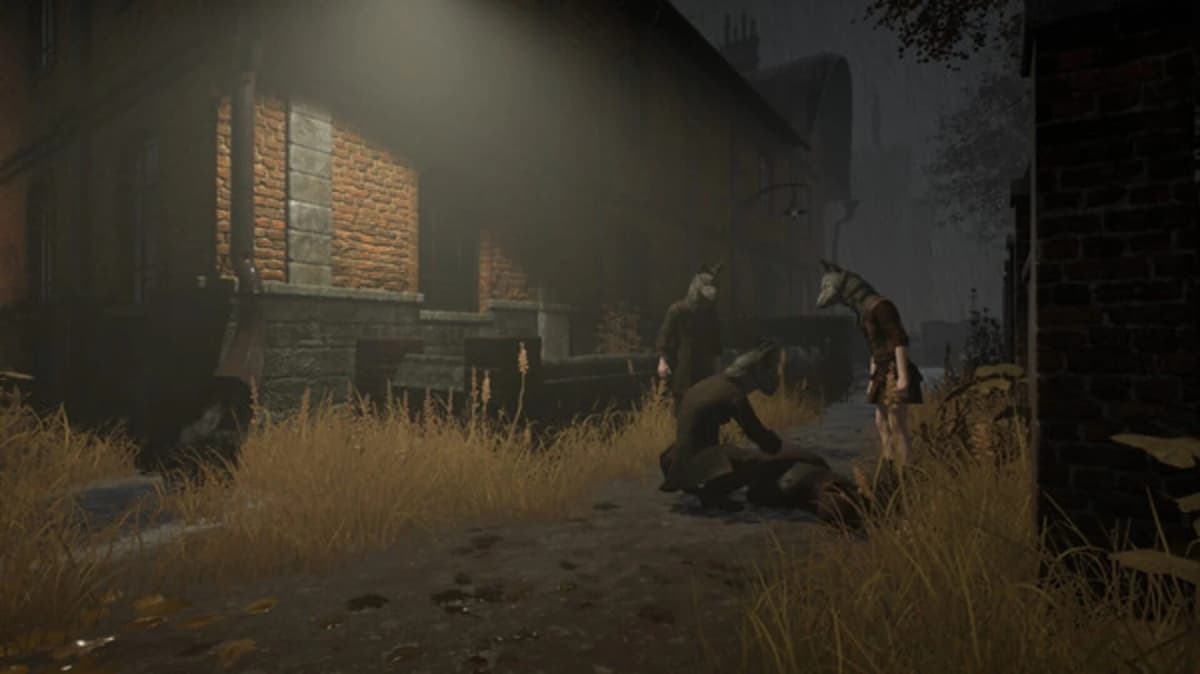
The beauty – and the cruelty – is that the game never reassures you. It does not tell you what you missed. Half the town can burn while you chase one thread, and the only indication will be a name greyed out on the character screen and a gnawing sense that there was probably something you could have done, if only you had known. That uncertainty is the point.
Ethics as a resource, not just a theme
Pathologic 2 does not just track meters for hunger and thirst. It tracks what kind of person you are willing to become under pressure, and it does it without a cheesy morality meter. The game simply presents you with options and lets the systems – and your own brain – do the rest.
That corpse in an alley with viable organs to harvest for trade. That sick child who might live if you burn rare medicine on them, instead of saving it for a faction leader who could influence the entire town’s fate. The stranger with a suspiciously generous trade offer you suspect is ripping off someone more desperate than you. Every one of these choices has immediate mechanical weight. But they also dig into darker questions about what survival even means when everything around you is rotting.
I have had runs where I promised myself I would stay clean. No looting from bodies, no exploiting the vulnerable, no blowing away muggers in the street just to strip their pockets. Then a cascade of bad days hit – failed quests, infections spreading, time lost to wandering aimlessly – and those hard lines started to blur. The game never lectures. It just keeps tightening the screws until a thought creeps in: maybe this once, maybe no one will know, maybe this is what it takes.
That is the genius. The ethics are not an abstract theme tacked onto cutscenes while the gameplay is about something else entirely. They are embedded directly into your resource calculations. When the choice is between a stranger’s dignity and your own survival, the controller suddenly feels a lot heavier.
The “accessibility” argument that completely misses what this game is doing
Any time Pathologic 2 gets dragged back into the spotlight, especially now with Pathologic 3 making the rounds and the Unwinnable column being passed around again, the same takes surface. The game is too punishing. It should have an easy mode. The survival systems are “tedious” and should be optional. Strip some of that out, the argument goes, and more people could appreciate the story.
Here is the problem: remove that pressure, and the story collapses. All that carefully staged theatrical misery turns into aesthetic dressing if the underlying systems do not hurt. The desperation of finding food means nothing if you are never really at risk of starving. The moral compromises stop feeling like compromises if there is always a safe, optimal path.
I am not talking about basic accessibility options – remappable controls, visual tweaks, support for different needs. Those should be standard everywhere. I am talking about the urge to sandpaper away the very things that give a game its identity because it dares to make players uncomfortable. Pathologic 2 without oppressive survival mechanics is not “more approachable Pathologic 2.” It is a completely different, and frankly much less interesting, game.
Sometimes pain is the point. Sometimes a game is meant to be exhausting so that tiny bits of kindness and competence shine through like miracles. Not every horror game has to be a roller coaster where nothing can genuinely go wrong. Pathologic 2 is closer to getting stuck in a collapsing building with a dying flashlight and a clock counting down somewhere out of sight. It is miserable and claustrophobic and, crucially, unforgettable.
Pathologic 3 is cool and all, but this plague still matters
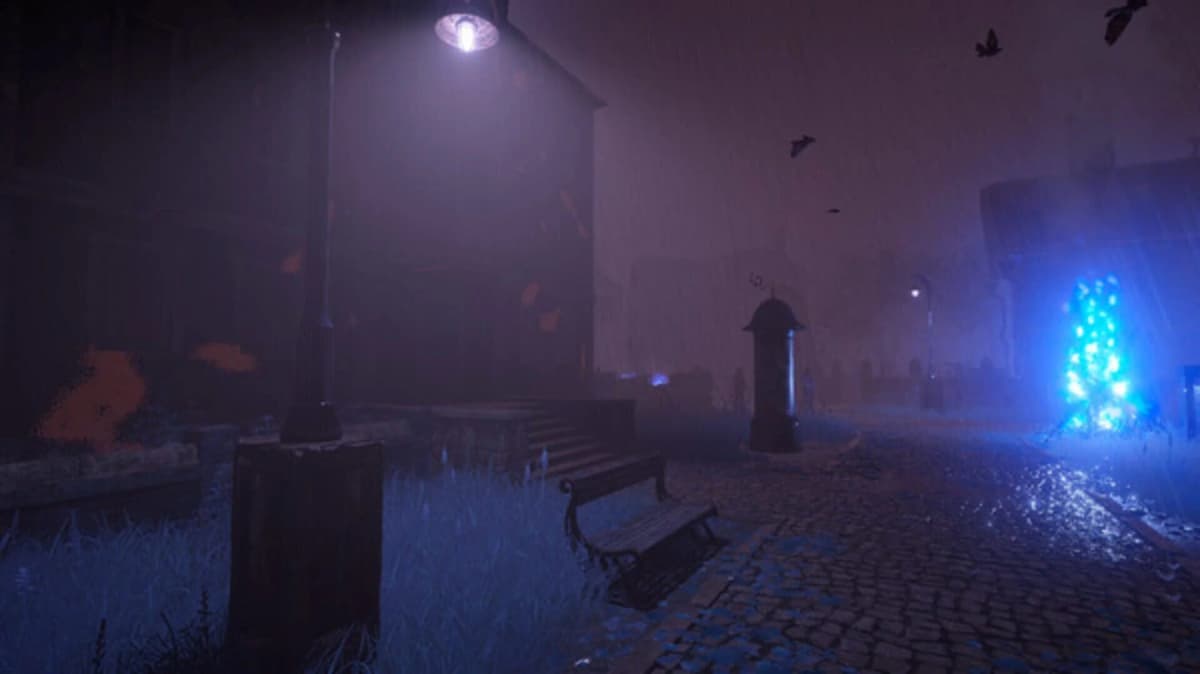
With Pathologic 3 out in the wild and thinkpieces spawning like rats in the Gorkhon, it is tempting to treat Pathologic 2 as a stepping stone – a “rough but important” entry that the new game will supersede. That is a neat marketing narrative. It is also nonsense.
Pathologic 2 is not just an old chapter in a strange Russian horror saga. It is a complete, vicious statement about how systems, atmosphere and narrative can fuse into something that does not behave like anything else on the market. It is the rare game that does not care if the player walks away miserable, as long as they walk away changed.
Revisiting it now, against the backdrop of a more crowded survival space and an industry obsessed with infinite content treadmills, only makes its choices look bolder. There is no convenient sandbox mode where you just vibe in the town. No comfy endgame phase where your build “comes online” and the systems turn into background noise. The twelve-day structure guarantees there is no plateau, only escalation. You will not outgrow this game’s problems. At best, you learn to limp alongside them.
That is why the damn thing lingers. Not because it is “deep lore” or “weird indie horror,” although it is both, but because it respects the player enough to make them suffer for every inch of progress. The plague-town is not a backdrop. It is an adversary. And it never stops pressing its advantage.
Why I keep going back to a game that clearly hates me
On paper, Pathologic 2 is exactly the kind of game I should ignore. It is time-consuming, stressful, constantly on the edge of collapse. It rarely looks “fun” in clips. Most of my play sessions end with me pausing, staring at a map full of half-finished tasks and sick districts, and feeling that familiar pit in my stomach that says, very clearly, that I am not going to save everyone.
And yet, when I step away from it, other games feel strangely hollow. Their resource systems look like padding. Their moral choices feel like flavour text. Their worlds, no matter how pretty, lack that suffocating sense that things will continue to get worse whether or not I hit the right buttons.
Pathologic 2 lingers because it understands something most games are terrified to admit: sometimes there is no winning, only surviving a little longer and a little less cleanly than you hoped. It forces that realization not in a cutscene, but moment to moment, as you decide whose door to knock on first, whose medicine to spend and whose body to walk past just a bit too quickly.
I keep coming back precisely because it is punishing, because it is bleak, because every small reprieve feels like a personal victory wrestled from an uncaring system. The cruelty is not a flaw to patch out. It is the soul of the game. Strip that away, and this town becomes just another weird setting with cool art direction. Leave it intact, and Pathologic 2 becomes what it already is for me: a singular, unforgettable nightmare that I willingly step into again and again, knowing full well it intends to break me all over.
FinalBoss // Gear
Level up your setup
01Top-rated gaming headsetson Amazon→02High-refresh gaming monitorson Amazon→03Gaming chairson Amazon→04Discounted game keyson Kinguin→Affiliate links · As an Amazon Associate, FinalBoss earns from qualifying purchases.
Want to Level Up Your Gaming?
Get access to exclusive strategies, hidden tips, and pro-level insights that we don't share publicly.
Ultimate Gaming Strategy Guide + Weekly Pro Tips