
Paul W. S. Anderson’s point isn’t petulant nostalgia. It’s a production rule: if you’re adapting a game, you and your crew should be inside that game’s rhythms – not treating the source as optional color. In a recent Post Games podcast (discussed in interviews by PC Gamer, GamesRadar and French outlet JeuxVideo), Anderson argued that filmmakers who tell reporters they never played the game they’re adapting are doing fans a disservice – and he makes his teams actually play or at least watch let’s plays so production design and cinematography carry the game’s DNA.
- Anderson forces production crews to play or watch playthroughs so sets, camera moves and pacing echo the source material (GamesRadar, PC Gamer).
- He draws a clear line between “aesthetic fidelity” and literal gameplay translation – you should capture scares and tone, not shoehorn tedious mechanics into a two-hour film (PC Gamer).
- The hot new Resident Evil reboot is deliberately rewriting iconography to chase a purer horror vibe — a reminder that fidelity can mean tone over checklist (JeuxVideo).
Table of Contents (6)
Playing the game is production research, not cosplay
Anderson says he makes production designers and directors of photography play the games or watch let’s plays so they internalize how a room feels, how doorways land, how a camera would move if the world were interactive. That isn’t fan service — it’s shorthand. GamesRadar reported Anderson’s insistence that this “DNA” buys goodwill with players because small visual callbacks reward long-time fans the way a familiar chord does in a franchise score.
He gives a concrete example: Mortal Kombat’s “pit” set was built exactly from the arcade stage, and the audience reaction at screenings proved the tactic works. That’s an expensive, deliberate decision that signals respect for the source rather than lazy pandering.
Know when to stop copying the gameplay
Anderson is equally blunt about what not to do. PC Gamer relays his critique of literal translation — the mistake of fitting a game’s interactivity into cinema. He points to Doom’s first‑person reel as an example: visually accurate, viscerally empty when you strip out player agency. A camera pretending to be a joystick rarely reproduces the commitment and tension of players actually making choices.
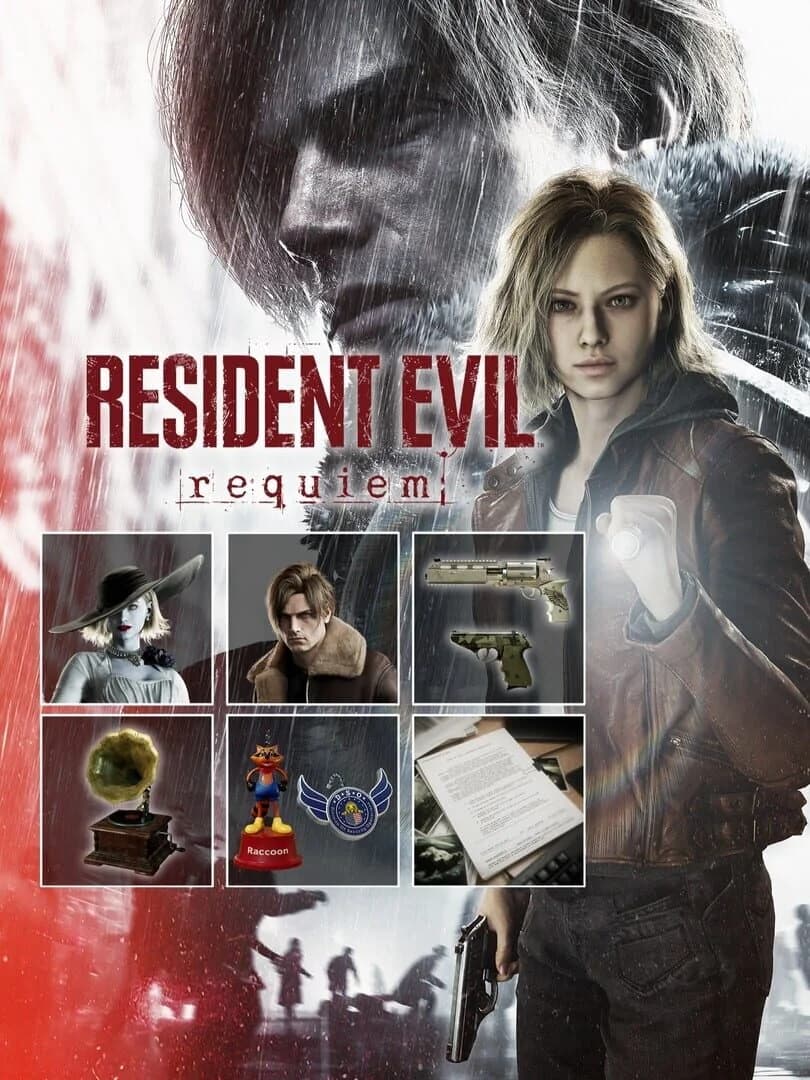
His rule of thumb: translate what the audience values — scares, tone, a camera language that echoes puzzles and doorways — into cinematic terms. Leave the fetch quests and grinding at the door.
Fidelity isn’t a checklist — it’s an attitude
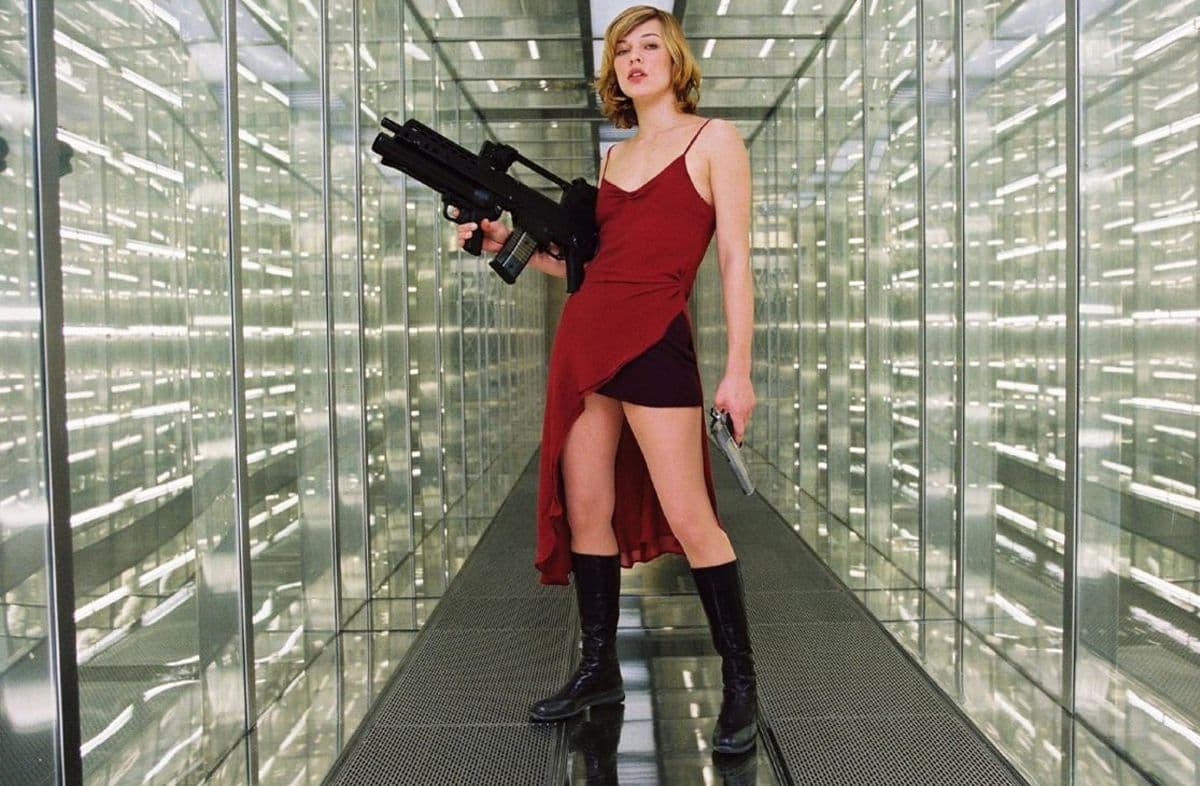
That attitude helps explain why Anderson made his 2002 Resident Evil film a loose prequel instead of a blunt retelling. As he told Post Games (reported by PC Gamer), he didn’t want to spoil key gameplay scares by reproducing them beat-for-beat. Preserve the emotional hits, not the walkthrough. That’s the same logic Zach Cregger’s 2026 Resident Evil reboot appears to be following, per JeuxVideo: stripping familiar icons to chase a leaner, more psychological horror rather than ticking off character cameos.
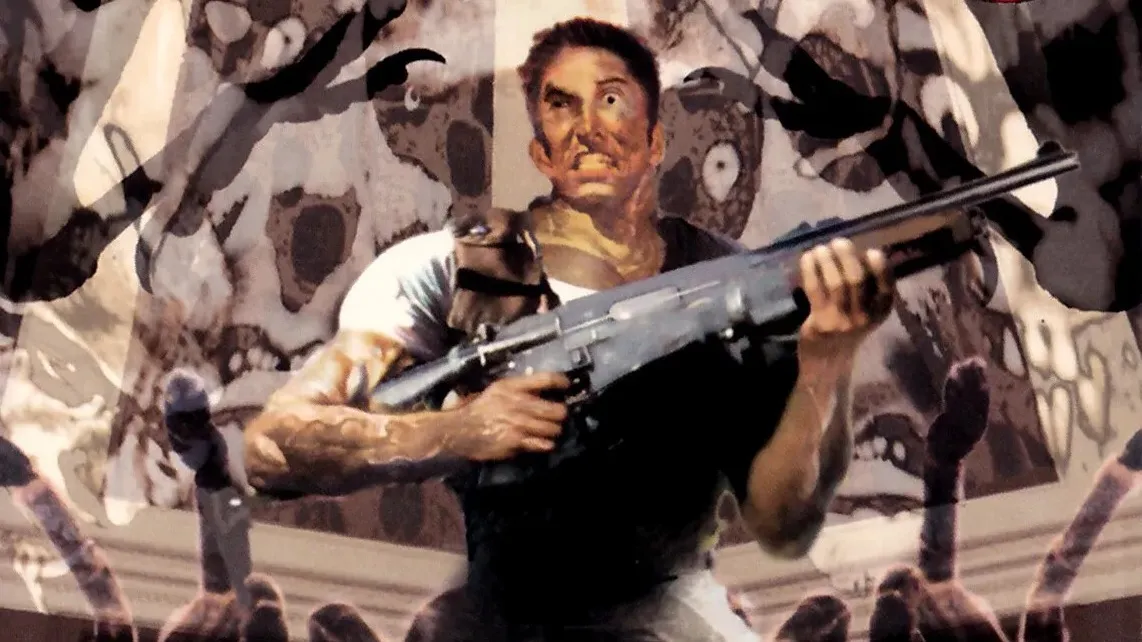
Put differently: fidelity that matters to players is often about tone — the visceral little shocks and camera hits that made them jump in the first place — not a checklist of characters, weapons, or UI flourishes. Anderson’s track record shows that when you get the visual grammar right, fans notice and reward you. When you get it wrong, you just have nostalgia-shaped props on a soundstage.
The uncomfortable observation PR hoped you’d miss
Anderson calls it “outrageous” when filmmakers admit they haven’t played the game they’re adapting. That’s not theatrical bravado — it’s an industry-level warning. As video-game IP becomes premium Hollywood real estate after hits like Fallout and The Super Mario Bros. Movie, studios are tempted to treat the source as a brand asset rather than a living design document. If you skip the playthroughs, you’re building a movie on press-kit abstractions.
What to watch next
- Trailers for the 2026 Resident Evil reboot (JeuxVideo notes a September 2026 release window): look for camera choices and set design that echo game framing (doorways, overhead beats) rather than pure action spectacle.
- Interviews and behind-the-scenes pieces: does the new director mention playing the games or putting the crew through playthroughs? That will tell you if the “DNA” approach is being used or ignored.
- Early reviews and test screening chatter: are fans cheering small production callbacks like Anderson described, or are they complaining the movie only uses the IP as a label?
Ask any studio PR rep pitching a game adaptation one simple question on the record: did your production team play the game, or did they just read the script? The answer speaks louder than the usual “we respect the source” boilerplate.
TL;DR
Paul W. S. Anderson says adapting games well requires developers and crews to actually play the source material so production design and camera language can carry the game’s DNA (GamesRadar, PC Gamer). He warns against literal gameplay translation — cinema must capture tone and scares, not mechanics — and recent reporting on the 2026 Resident Evil reboot suggests modern directors are making similar fidelity choices (JeuxVideo). Watch trailers, set reports and director interviews to see if the new films did the homework or just bought the license plate.
FinalBoss // Gear
Level up your setup
01Top-rated gaming headsetson Amazon→02High-refresh gaming monitorson Amazon→03Gaming chairson Amazon→04Discounted game keyson Kinguin→Affiliate links · As an Amazon Associate, FinalBoss earns from qualifying purchases.
Want to Level Up Your Gaming?
Get access to exclusive strategies, hidden tips, and pro-level insights that we don't share publicly.
Ultimate Gaming Strategy Guide + Weekly Pro Tips