
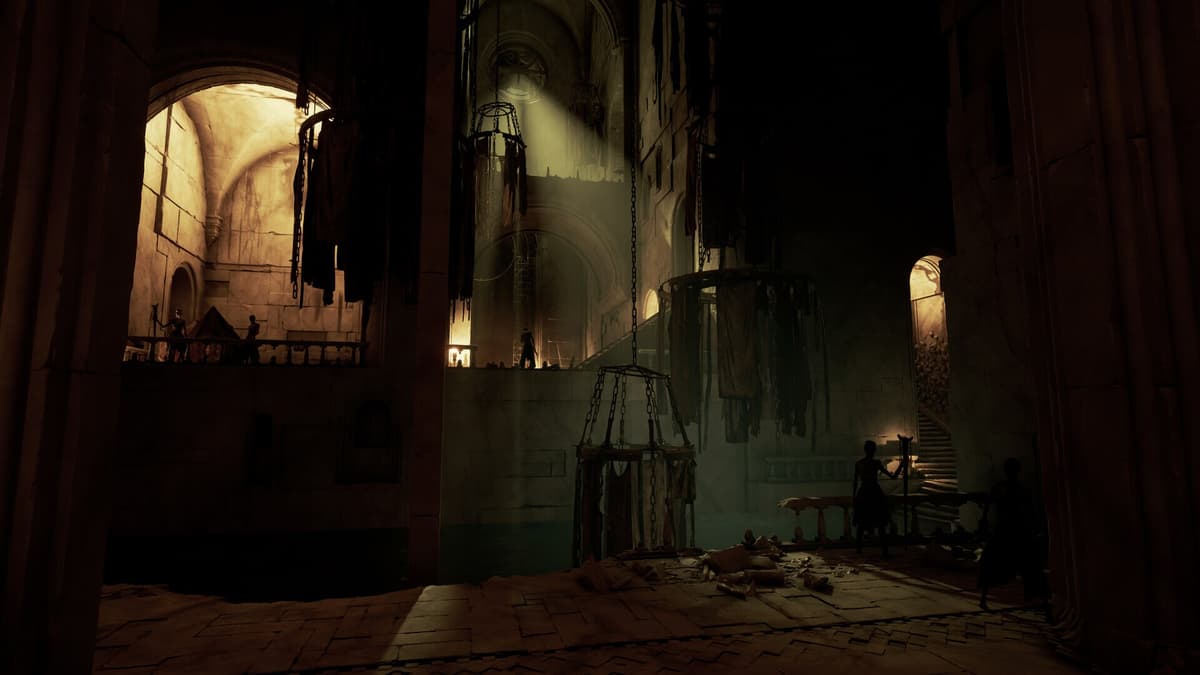
Pax Dei 1.0 lands on PC and Game Pass — a true sandbox at last, with a few flags to watch
Game intel
Pax Dei 1.0
Pax Dei’s 1.0 launch finally gives the social sandbox a real shot
Pax Dei hitting 1.0 caught my attention because this is the rare MMO that puts player-made stories over theme park rides. After a year of Early Access iteration, Mainframe Industries is planting the flag: the “true beginning,” as they put it. I’ve been tracking the updates, and the game’s design leans hard into community-homes, clans, trade routes, contested zones-stuff that lives or dies on how people behave, not how many exclamation marks are on the map. That’s exciting. It also means the systems and monetization have to be razor sharp to avoid tipping into a grind or a pay-boost trap.
Key Takeaways
- Available now on Steam, Epic, PC Game Pass, and via GeForce Now-low barrier to try, even on modest rigs.
- 1.0 builds on EA additions: Adventure Sites, P2P trading, an overhauled RPG layer, and a PvP region tied to Enchantment materials.
- Premium Membership is optional (€3.99/$3.99 a month) with Grace/XP boosts and land-claiming via Plot Token—useful, but worth scrutiny.
- Upcoming “Verse” updates add Feudal Shrines (territory control) and Alliances—expect politics and power blocs to define the endgame.
Breaking down the 1.0 launch
Pax Dei bills itself as a “social sandbox,” and 1.0 doesn’t reinvent that pitch so much as firm it up. The loop is clear: build your home in safer valleys, harvest and craft, then push into the wilds and dungeons for rare finds and glory. It’s the craft-and-conquer fantasy many MMOs gesture at but few fully commit to. The Early Access cycle added useful backbone—Adventure Sites for curated challenges, player-to-player trading that underpins the economy, a reworked RPG system, and the latest Verse 4 update that opened a bigger PvP area holding unique resources for Enchantment, a new crafting pillar.
Platform-wise, this is a smart rollout. If you’ve got Steam or Epic, you’re covered. If you’ve got a sub, it’s now on PC Game Pass, lowering the commitment threshold for the “let’s see if my friends stick” crowd. And if your PC’s a potato, GeForce Now support means you can test the waters without a hardware upgrade. The base game package includes permanent access, two character slots, and a free month of Premium (with one Plot Token) to stake your first claim.
The Premium Membership is pitched as optional, and the price is mild for an MMO at €3.99/$3.99 per month. The benefits—Grace and XP boosts, plus the ability to claim a plot of land—are where eyebrows go up. Boosts walk a fine line; they don’t automatically kill a game, but in a player-driven economy where time equals power, even small accelerants can calcify advantages. Land access, meanwhile, is central to identity and production. Mainframe says you can play fully without Premium, and that’s good, but the long-term feel will hinge on how constrained non-Premium land claiming is and whether plots rotate or decay to prevent permanent landlord empires.
The gamer’s perspective: risk, reward, and real politics
Locking Enchantment materials to an expanded PvP zone is a bold, very “sandbox” move. On paper, it drives conflict, trade, and logistics—crafters pay mercs, clans run escorts, smugglers thrive. In practice, it can also feel like you’re being shoved into PvP to “stay relevant.” The difference comes down to logistics tools and social systems. Do caravans matter? Is there meaningful loss on death? Can neutral traders exist? The team’s background screams a love for player-driven drama, and if they’ve internalized lessons from games like EVE Online and Albion Online, Pax Dei could hit that sweet spot where risk amplifies the stories instead of gatekeeping progression.
I appreciate the emphasis on homes and valleys. Cozy construction gives people a reason to log in between wars, and it keeps communities sticky. But it only works if the economy has purpose beyond flexing screenshots. The studio says they’ll focus on Grace and the wider economy in 2026—smart priorities. If Grace is more than a buff currency and ties into social rituals, guild identity, or world events, you’ve got the makings of a culture machine rather than just another crafting timer.
Monetization watch: fair or friction?
Let’s be real: XP and Grace boosts are the type of perks that can feel harmless early and corrosive later, especially when wars hinge on who can field gear faster. The price point helps, and it’s not a lootbox carnival, but Mainframe needs clear guardrails—no exclusive power sources, limits on stacked boosts, and a land system that doesn’t lock new players out of the “fantasy” the trailer sells. They’ve got a month of Premium baked into the base package; let that be the onboarding taste, not the first step on a treadmill.
Looking ahead: shrines, alliances, and the zerg question
This winter’s Verse 5 brings Feudal Shrines—control points for clans to fight over. Verse 6 adds Feudal Alliances, formalizing coalitions. That’s the right direction if you want lasting politics, but it comes with a classic sandbox problem: zerg dominance. If capture windows, upkeep costs, and map design don’t counter blob tactics, the largest alliances will sit on everything and the ladder will feel pulled up. Anti-zerg tools—region-based timers, scaling upkeep, siege logistics that reward planning over raw headcount—need to be part of the conversation from day one.
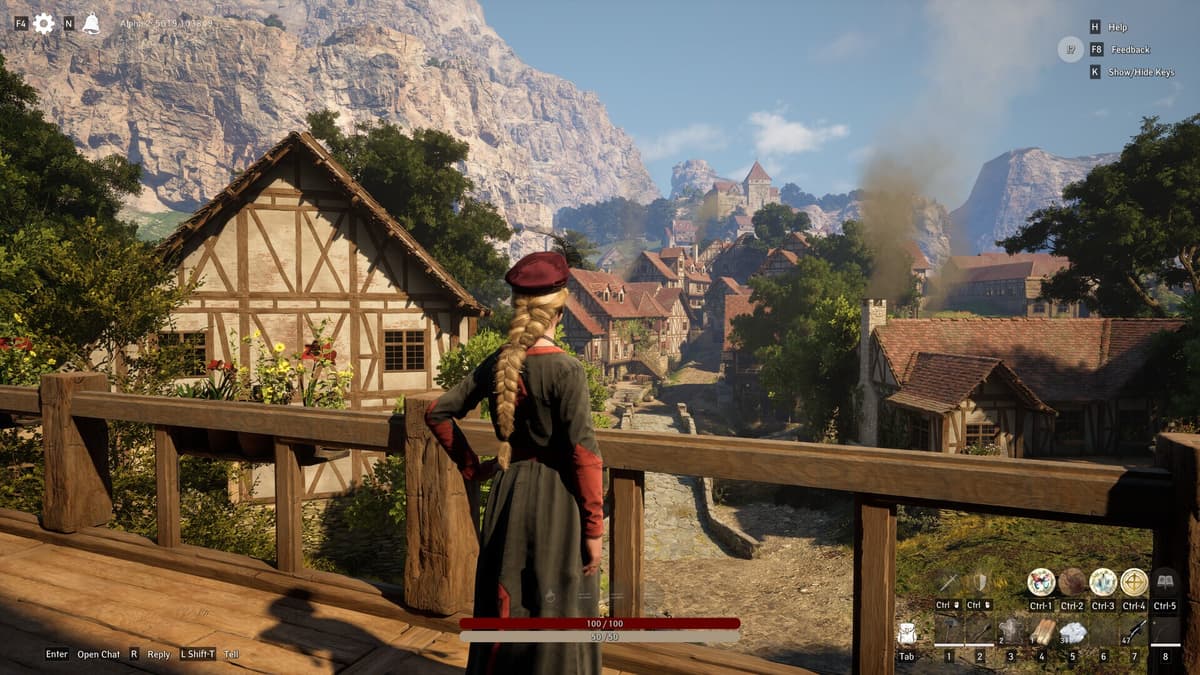
Best case? Shrines become conflict magnets that fuel trade, scouting, diplomacy, and actual strategy. Worst case? A handful of megaguilds hold them forever and everyone else becomes a tenant. The difference will define Pax Dei’s long tail.
TL;DR
Pax Dei 1.0 gives the social sandbox its real shakedown: a handcrafted world, meaningful PvP zones, and a player-led economy now available on Steam, Epic, PC Game Pass, and GeForce Now. Premium is optional and cheap, but XP/Grace boosts and land access demand careful balance. If Mainframe nails territory control and keeps the economy fair, this could be the “EVE-in-a-forest” niche many of us have been waiting for.