
Table of Contents (11)
Why Your Headset Type Matters (And How I Learned the Hard Way)
After spending a couple of hundred hours swapping between open-back and closed-back headsets on PC, PS5, and Xbox Series X, I realized most people don’t struggle with “bad audio” – they struggle with the wrong kind of headset for how and where they play.
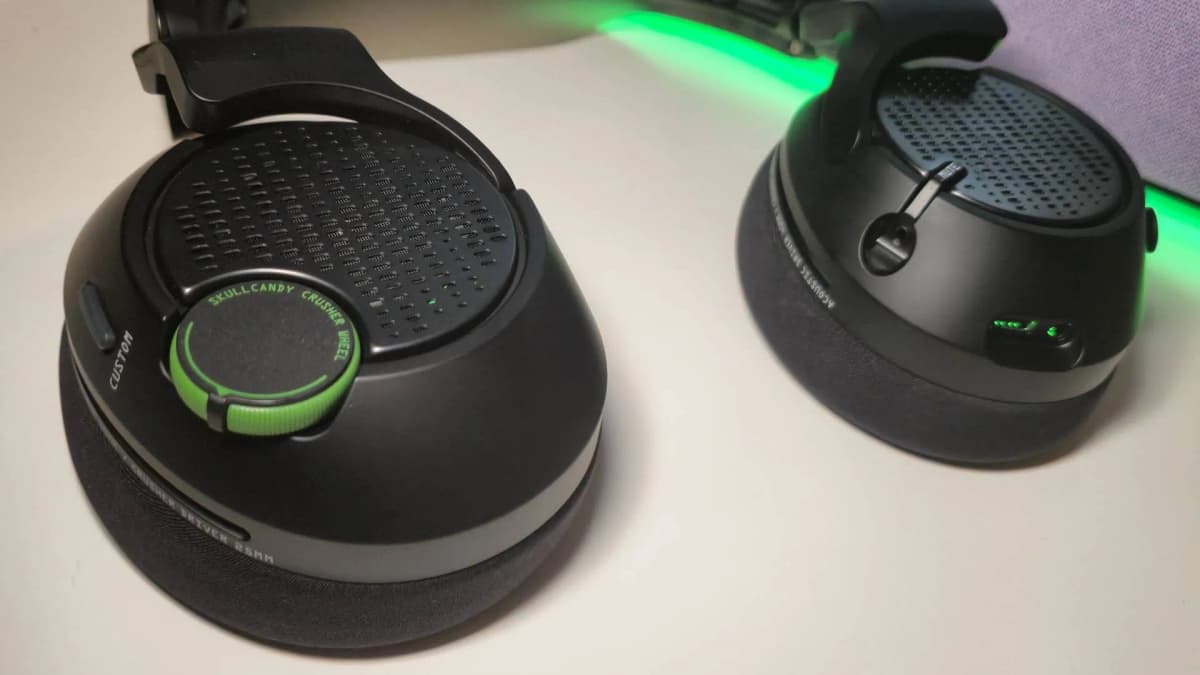
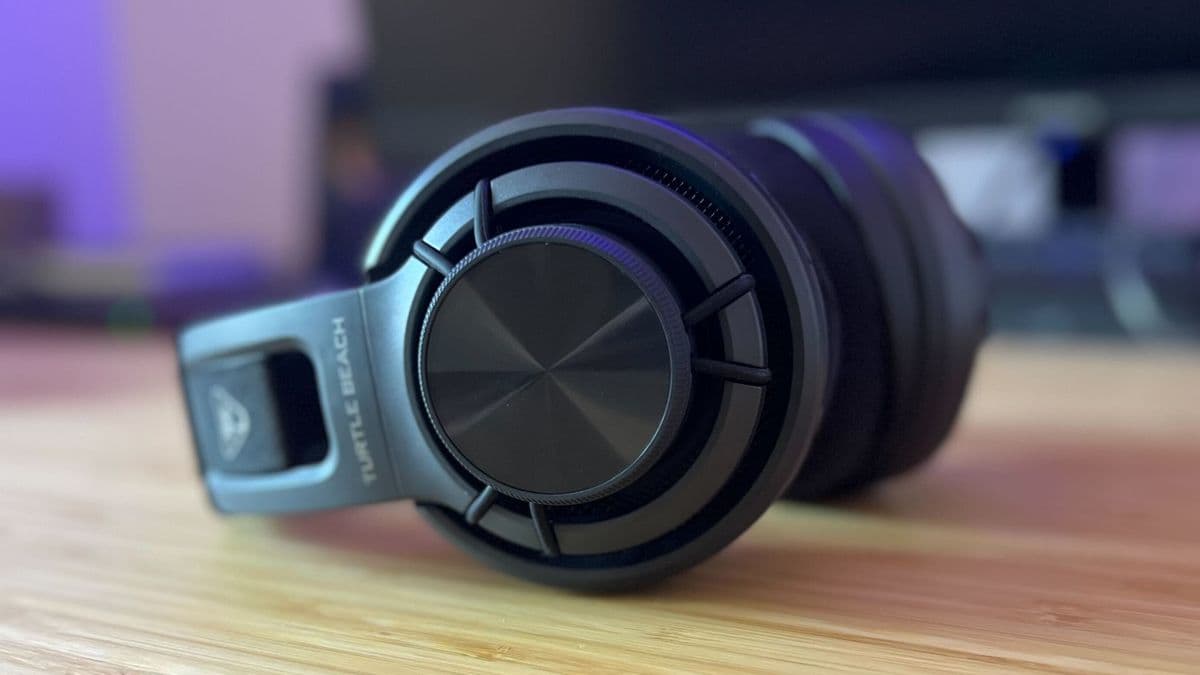
My turning point was grabbing my first open-back gaming headset (in my case, the Corsair Virtuoso Pro) after years of using only closed-back cans. The soundstage in big open-world games suddenly felt huge and natural, but my partner could hear every explosion from across the room. Later, when I tested the Skullcandy PYLR 720 and an Asus open-style pair, the pattern was obvious: open designs are incredible in the right room… and a headache in the wrong one.
This guide walks you through when open-back headsets are worth it, when you should stick to closed-back, and how to quickly figure out which camp you’re in – based on real-world use, not marketing bullet points.
Open-Back vs Closed-Back: What Actually Changes?
Before I used them back-to-back, I thought “open-back” just meant “more expensive and for audiophiles”. That’s not it. The difference is physical:
- Closed-back: Solid earcups that seal in the sound and block outside noise.
- Open-back: Vented or grilled earcups that let air (and sound) move freely in and out.
What Open-Back Changes in Game Audio
With open-back headsets, game audio feels like it’s around you rather than jammed inside your head. In practice, here’s what I consistently notice:
- Wider soundstage: In big environments (RPGs, open-world sandboxes), you can pinpoint where sounds come from more naturally – footsteps on your left, rain above, distant gunfire ahead.
- More “air” and detail: Ambient sounds, reverb, and positional cues feel less congested. It’s closer to good speakers in a quiet room.
- Less claustrophobia: Because you still hear some of your real room, your brain doesn’t feel locked in a padded cell. Long sessions feel mentally lighter.
When I first fired up a story-heavy single‑player game on an open-back (after years on a closed-back), it was like someone had taken the lid off the sound. Dialog and environmental effects breathed more, and I stopped feeling that “pressure” on my ears after a couple of hours.
Comfort and Heat: Where Open-Back Wins Hard
The other side I didn’t appreciate until summer: heat. Open-back earcups usually let heat and moisture escape much better. I can do 4–5 hour sessions without getting sweaty ears, especially on lighter designs like some of the newer Asus and Corsair models.
Closed-back headsets trap more air. That’s great for bass and isolation, but on long raids or late-night marathons, I find myself needing more breaks because my ears feel hot and compressed.
The Trade-Offs: What You Lose With Open-Back
This next part is where most people make the wrong choice – because the downsides only become obvious after a week of real use:
- Almost no isolation: You’ll still hear roommates talking, fans whirring, traffic outside, and TVs in other rooms.
- Audio spillage (leakage): People nearby will clearly hear your game – even at moderate volumes. Think “tiny, tinny version of your game audio leaking out.”
- Less bass punch: Bass can be accurate and detailed, but not as “slammy” as a sealed closed-back. Explosions and gunshots feel less like a subwoofer, more like studio monitors.
- Volume needs: Some open-backs need a bit more juice. Plugging them straight into a controller can feel slightly underpowered compared with PC or a USB DAC.
I wasted a lot of time trying to “fix” these with EQ and settings. You can improve the sound, but you cannot turn an open-back into a closed-back or vice versa. The behavior is baked into the physical design.
When Open-Back Headsets Are a Bad Idea
Here’s where I would not recommend an open-back based on my experience:
- Shared rooms: If you play in the living room, bedroom with a partner, or a dorm, everyone will hear your audio, especially dialog and high-pitched effects.
- Noisy homes: Kids running around, loud AC, roommates cooking, or a washing machine nearby all cut through easily.
- Competitive shooters in chaos: In games where tiny audio cues matter (footsteps, reloads) and your surroundings are loud, isolation helps focus. Closed-backs give you that “tunnel vision” that can actually be an advantage.
- Recording and streaming with a mic nearby: Open-back spill can get picked up by your microphone more easily, especially if you don’t have great noise suppression.
Don’t make my mistake of buying an expensive open-back, then discovering your squad can hear your game echoing through Discord because your mic is catching the leakage in a noisy room. For cramped apartments or shared spaces, a closed-back is almost always the safer play.
When Open-Back Headsets Absolutely Shine
Now for the fun part – the scenarios where I’d pick an open-back every single time.
- Dedicated gaming room or office: If you have a door you can close and nobody to disturb, you get pure benefit with almost no downside.
- Single-player and story games: RPGs, horror, open-world adventures, racing games – anything where atmosphere and environment matter. Spatial audio feels more convincing.
- Long, late sessions: The comfort and reduced heat really add up over 3–6 hour stretches.
- Audiophile-curious gamers: If you care about natural tone, stereo imaging, and subtle detail more than bone-rattling bass, open-back is closer to traditional hi-fi headphones.
- Situational awareness: Sometimes you want to hear your surroundings (kids in another room, front door, oven timer). Open-back lets game audio and real life coexist.
For me, open-back is now the default for relaxed evenings grinding single‑player games in my office. When I switch back to a good closed-back, the sound is impressive but feels like it’s trapped between my ears.
Simple Checklist: Are Open-Back Headsets Right for You?
Run through these questions honestly. If most answers fall in the first column, open-back is probably a good fit.
- Where do you play?
- Mostly in a private room with a door → Open-back friendly
- Mostly in a shared or noisy room → Stick to closed-back
- What do you play the most?
- Story games, RPGs, single-player, open-world → Open-back shines
- Ranked shooters, sweaty competitive matches → Closed-back preferred
- Who’s around you?
- No one to disturb, or they don’t care about noise → Open-back okay
- Roommates, partner, kids sleeping nearby → Closed-back safer
- What do you value more?
- Natural sound, big soundstage, comfort → Open-back
- Isolation, privacy, bass impact → Closed-back
Try This: Quick Tests With Your Current Headset
Before you buy anything, you can simulate some of the trade-offs using your current closed-back headset.
- Isolation check: Put on your current headset with no audio playing. How much do you hear your room? Open-back will be about that noisy – or more.
- Soundstage test: In a game with good positional audio (any modern shooter or open-world title), stand still and slowly rotate your character. Pay attention to how tightly sounds “stick” inside your head. That “in-head” feel is what open-back helps relax.
- Leakage reality check: Play a loud action scene at your normal volume, take your headset off, and hold it at arm’s length. That’s roughly what someone across the room will hear with an open-back on your head.
These aren’t perfect simulations, but they’ll keep you from buying an open-back and being shocked by how much sound escapes or how little external noise is blocked.
Notes From Headsets I’ve Actually Used
I’ve cycled through a mix of gaming and “audiophile” gear, but a few open designs stand out in the context of this guide:
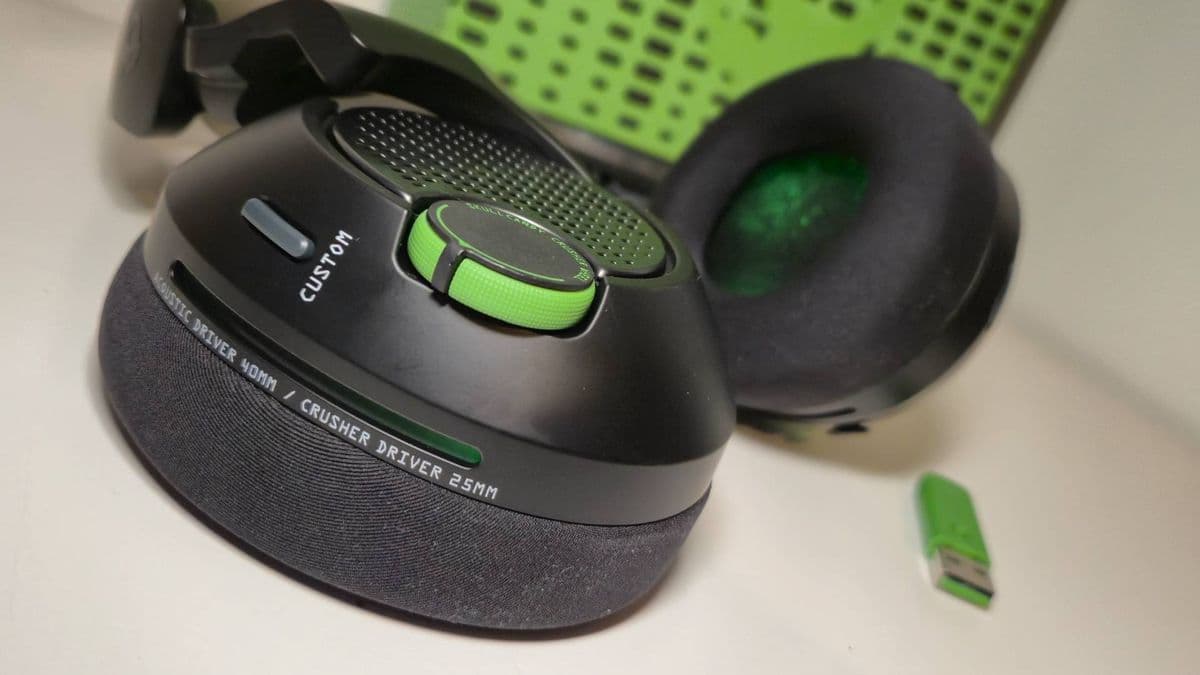
- Corsair Virtuoso Pro (open-back) – What struck me here was how “natural” everything sounded in both single-player RPGs and lighter competitive play. Directional cues had good clarity without feeling artificially boosted. The catch: in a quiet room at night, everyone else could hear exactly what boss I was fighting.
- Skullcandy PYLR 720 (open-back) – I was surprised how well its airy presentation translated across very different games, from big cinematic titles to hero shooters. Again, brilliant in my office, terrible in the living room.
- Asus-style open earbuds / open designs – These aren’t full-size headsets, but the same concept applies: they’re fantastic when you want situational awareness (like handheld gaming or quick sessions) and absolutely not what you want on a plane or noisy bus.
The pattern: regardless of brand, the room and use-case mattered more than the logo on the box. The best open-back in the wrong environment still loses to a decent closed-back used in the right setting.
Buying Tips: Specs and Features That Actually Matter
- Platform support: For consoles, look for simple 3.5mm or USB connections that work with PS5 and Xbox controllers or front ports. On PC, you have more flexibility with USB DACs and sound cards.
- Power needs: Some open-back headsets can sound a bit quiet straight from a controller jack. If you mainly play on console, check user impressions about volume, or plan on routing through your TV/receiver or a USB dongle.
- Weight and clamp force: Open-back usually wins comfort, but some models clamp too hard. If you’re sensitive, prioritize lower weight and softer pads.
- Mic design: If you stream or chat a lot, prefer boom mics with good positioning. Remember open-back spill makes mic noise suppression more important.
- Price and deals: Open-back gaming headsets like the Corsair Virtuoso Pro have seen regular discounts, making them more accessible. If a model you like dips into your budget range, that’s usually the moment to pounce.
Ignore most of the “XX.1 virtual surround” marketing on the box – both open and closed designs can use software spatial audio (Windows Sonic, Dolby Atmos, console 3D audio). The open/closed decision impacts how that processing feels, not whether you get it.
FinalBoss // Gear
Level up your setup
01Graphics cardson Amazon→02Gaming laptopson Amazon→03High-refresh gaming monitorson Amazon→04Discounted game keyson Kinguin→Affiliate links · As an Amazon Associate, FinalBoss earns from qualifying purchases.
Want to Level Up Your Gaming?
Get access to exclusive strategies, hidden tips, and pro-level insights that we don't share publicly.
Ultimate Guide Strategy Guide + Weekly Pro Tips