
Crimson Desert has crossed the line from “big new release” to “the thing currently carrying Pearl Abyss on its back.” That matters more than the DLC tease itself. When a publisher tells investors a game generated roughly KRW 266.5 billion, about $179 million to $180 million, in a single quarter just weeks after launch, and then starts openly talking about “broadening” it with DLC, that is not vague wish-casting. That is a company following the money.
The useful takeaway for players is simple: post-launch support now looks like strategy, not courtesy. Pearl Abyss said in its Q1 2026 earnings materials that it is “exploring various ways to broaden the game to the next level, including DLC,” with details to come once plans are concrete. In plain English, Crimson Desert performed too well to leave as a one-and-done premium release.
Table of Contents (5)
This is less about a DLC tease and more about a business model locking into place
Most outlets will stop at the obvious headline: DLC is being considered. Sure. But the more important signal is why Pearl Abyss is saying it now. The company’s quarter was heavily tied to Crimson Desert, with multiple reports linking roughly KRW 266.5 billion in Q1 revenue to the game after its late-March launch. That is a huge number for a title that spent years being known mostly for delays, visual flexing, and the usual “we’ll know when we know” development haze.
Studios do not publicly float expansion language in earnings materials unless internal conversations are already serious. Investor-facing messaging is usually more conservative than trailer copy. So when Pearl Abyss says it is looking at DLC, ongoing updates, and broader ways to extend the game, the real story is that Crimson Desert has probably earned itself a longer runway inside the company than it had before launch.
That also tracks with the most boring truth in games, which is usually the real one: if something lands this hard financially, publishers stop asking whether it should become a platform and start asking how fast they can build the next layer on top of it.
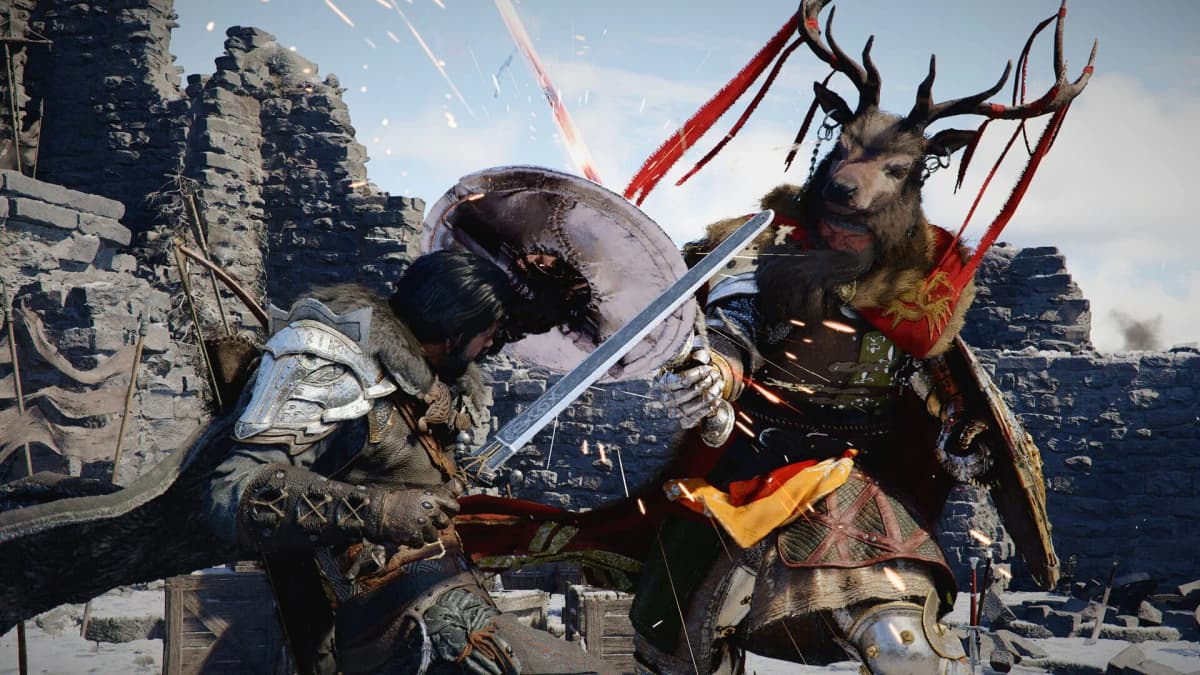
The overseas split tells you exactly who Pearl Abyss is building for now
Another number here matters almost as much as the revenue total. Reporting around the earnings call says about 94% of quarterly revenue came from outside Korea, with North America and Europe doing most of the heavy lifting. That should shape expectations for what post-launch support actually looks like.
If you were hoping for a Korea-first content cadence built around domestic audience habits, that seems less likely. A game making this much money overseas tends to get supported like a global product: broader localization priorities, platform parity, region-aware patching, and content planning that plays well in the US and Europe first because that is where the cash is coming from. The old pattern of an Asian publisher treating Western sales as nice upside does not really fit here. Western demand appears central to the business case.
That is also why the PC/console split matters. Some reports have described sales as roughly even across both. If that holds, Pearl Abyss has every incentive to avoid leaning too hard into one audience at the expense of the other. The safest bet is support designed to keep both ecosystems engaged, which usually means substantial content drops, quality-of-life patches, and the kind of roadmap language publishers love once they know a game has legs.
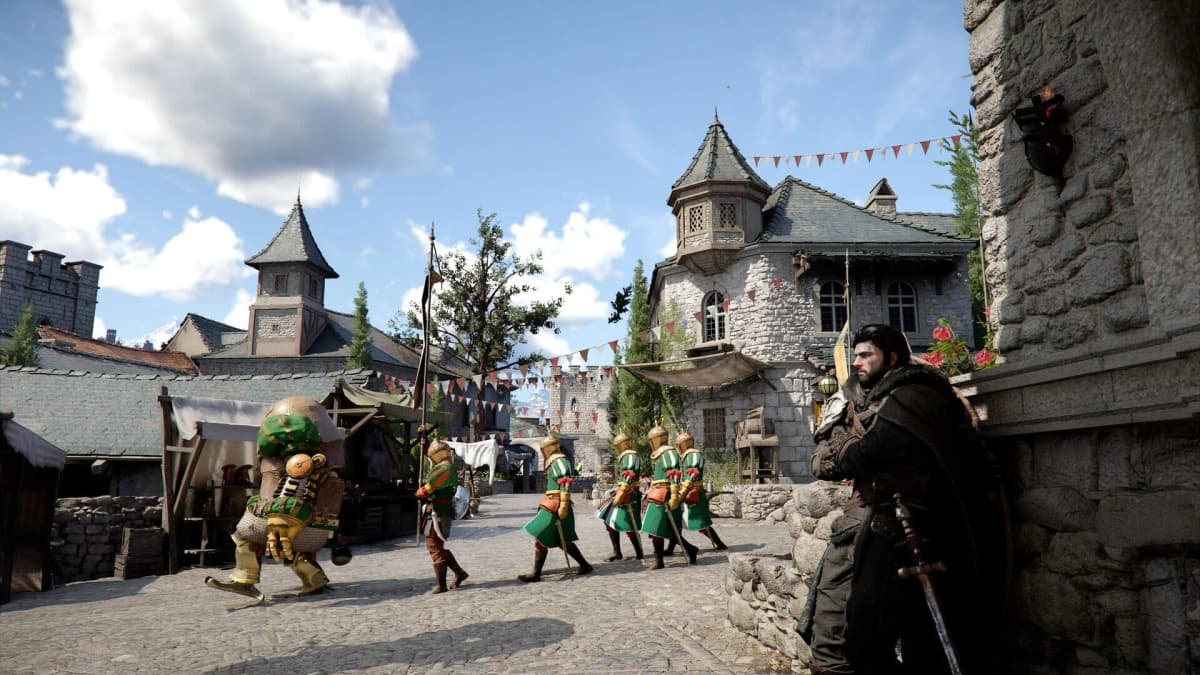
The uncomfortable question is what kind of DLC this will be
This is the part the investor language does not answer. “Including DLC” can mean almost anything now, from a meaty story expansion to a thin content wrapper around cosmetics, challenge packs, or feature fragments that feel like they were always meant to be there. The phrase sounds promising because players have been trained to hear “DLC” and picture Blood and Wine-style redemption arcs. Publishers, meanwhile, use the same word for much less generous ideas.
That is the question I’d put directly to Pearl Abyss: are we talking about old-school expansion content, or are you building a softer live-service tail onto a premium single-player action RPG because the launch numbers were too good to ignore?
To be clear, ongoing updates are not a red flag on their own. In fact, for a big action RPG with a messy launch history, continued fixes and feature additions are exactly what players should want. The concern is more specific than the usual “we’ve seen this before.” Once a publisher realizes a premium game can keep generating revenue, there is always pressure to stretch the definition of support. That is when roadmap optimism quietly turns into content segmentation.
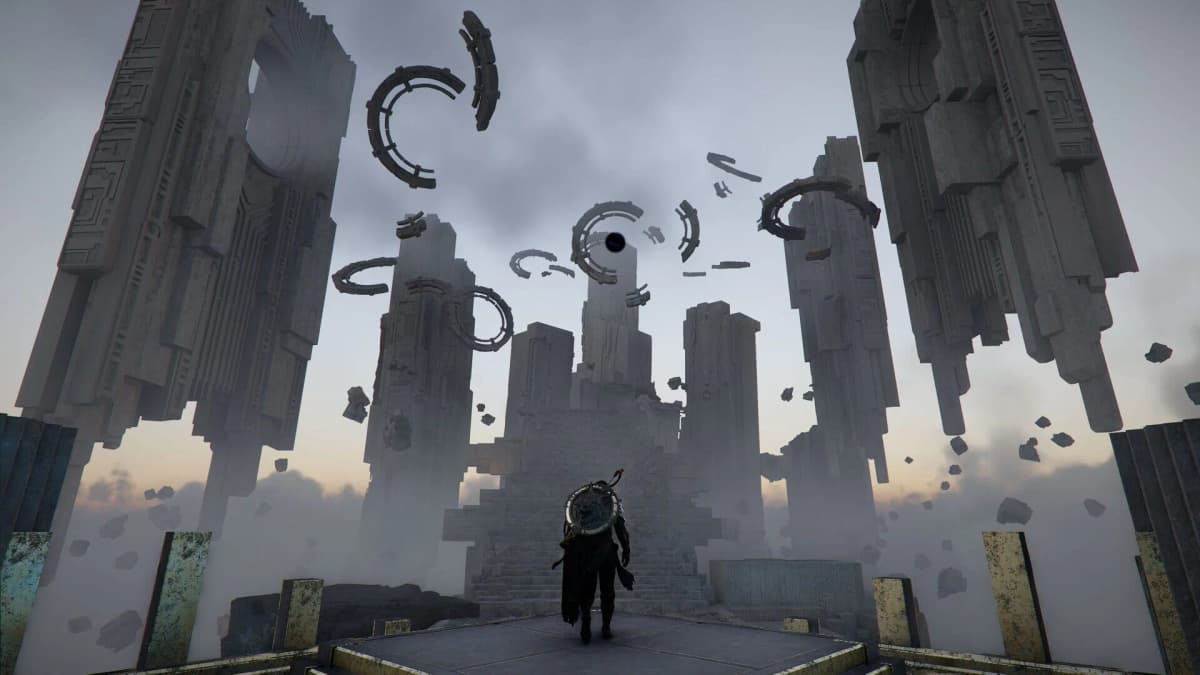
Pearl Abyss now has a chance to prove this wasn’t just launch-week heat
Crimson Desert was never going to be judged only on launch reviews or day-one discourse. It spent too long in development and carried too much expectation for that. What Pearl Abyss has now is rarer: a financially successful opening strong enough to buy time, attention, and a second phase of trust-building. That is valuable, especially for a studio that has spent years trying to convince people it could turn visual ambition into a reliable blockbuster outside the Black Desert ecosystem.
The historical comparison here is straightforward. Plenty of publishers have tried to treat a big premium release like the seed of a longer-term revenue stream. The ones players remember fondly added meaningful expansions and cleaned up rough edges fast. The ones players remember less fondly saw “engagement opportunity” and got weird. Pearl Abyss is now standing right on that fork in the road.
What to watch next
- The first concrete DLC description. The label matters less than the scope. Story expansion, new region, and major systems content would signal confidence. Cosmetic-heavy paid add-ons would signal extraction.
- The patch cadence over the next quarter. Consistent substantive updates would support the idea that Pearl Abyss is investing for the long haul rather than cashing in on launch momentum.
- Any revised sales guidance or platform expansion details. With overseas revenue this dominant, the company has every reason to widen distribution and keep visibility high.
- How management talks about Crimson Desert in the next earnings report. If the language shifts from “exploring” to a named roadmap, then the post-launch plan has moved from possibility to policy.
The practical read is this: assume Crimson Desert is no longer a finished product in Pearl Abyss’ eyes. It is becoming a business pillar. That is good news if you wanted substantial support after launch. It is less comforting if you were hoping the game would stay neatly self-contained. Either way, the company has already told investors where its attention is going, and that usually tells you more than any trailer ever will.
FinalBoss // Gear
Level up your setup
01Top-rated gaming headsetson Amazon→02High-refresh gaming monitorson Amazon→03Gaming chairson Amazon→04Discounted game keyson Kinguin→Affiliate links · As an Amazon Associate, FinalBoss earns from qualifying purchases.
Want to Level Up Your Gaming?
Get access to exclusive strategies, hidden tips, and pro-level insights that we don't share publicly.
Ultimate Gaming Strategy Guide + Weekly Pro Tips