
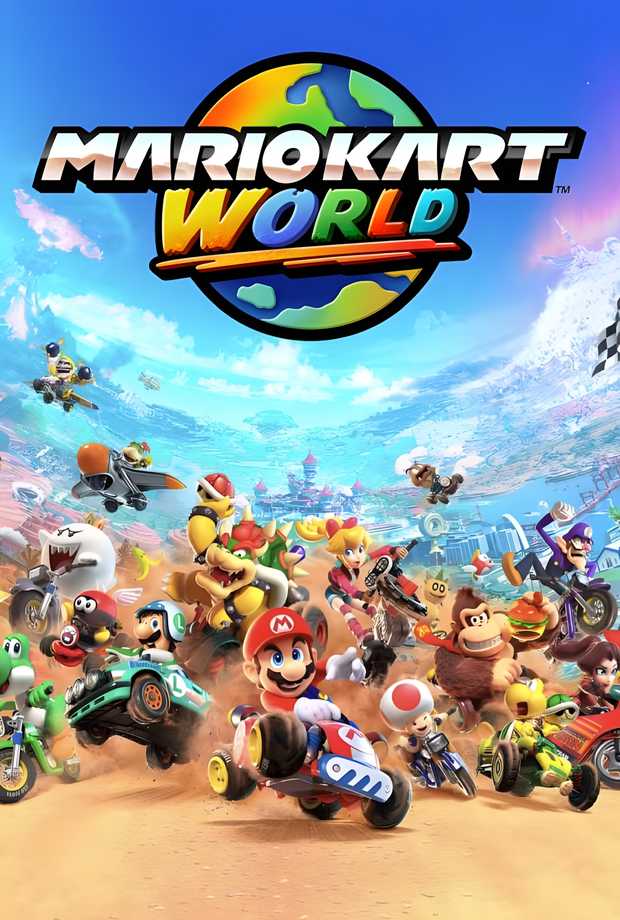
PETA Targets Mario Kart World Over Cow Character’s Nose Ring – Does the Outcry Hold Up?
Game intel
Mario Kart World
Put the pedal to the metal in a vast interconnected environment. Race seamlessly across connected courses like never before. Participate in the new knockout to…
Why PETA’s Mario Kart World Campaign Caught My Attention
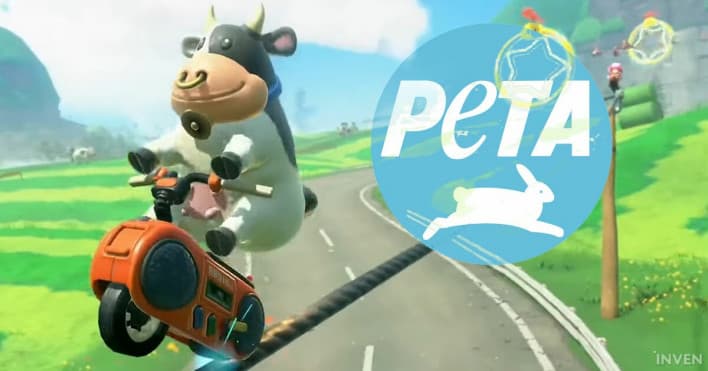
I’ll admit, when I first read that PETA was protesting the cow character in Mario Kart World-a game that has players shell-throwing, banana-peeling, and blue-shell cursing their way across over-the-top tracks-I rolled my eyes. PETA is famous (or notorious) in gaming circles for finding offense wherever animals appear pixelated or polygonal, but their latest crusade against Moo Moo’s (Cow’s) shiny nose ring feels less like animal advocacy and more like a rerun we’ve seen before. So what’s really going on, and does this mean anything for actual players?
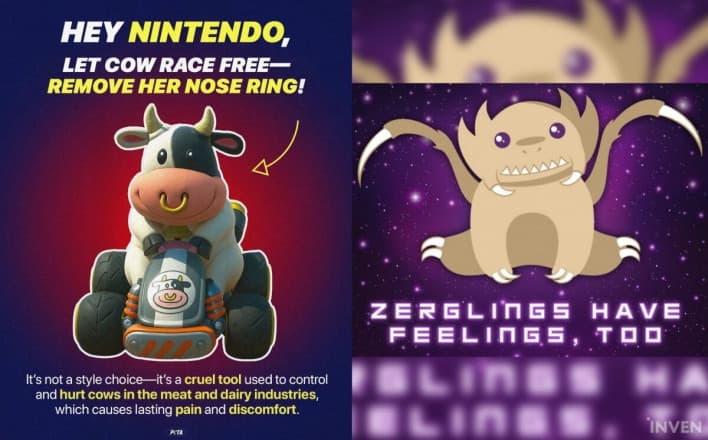
- PETA’s main argument: Cow’s nose ring in Mario Kart World “minimizes real-life animal cruelty.”
- They want Nintendo to remove the ring and let Cow “race freely.”
- This isn’t PETA’s first time targeting Nintendo-remember their stunts with Animal Crossing and 1-2 Switch?
- No official response from Nintendo yet, but history suggests they’ll try to avoid comment.
Key Takeaways for Gamers
- This “controversy” is unlikely to change Mario Kart World’s gameplay or skins in the short term.
- It’s the latest in a pattern of PETA turning in-game animal design into platforms for real-world activism.
- Unless Nintendo caves, expect this to be a footnote, not a fundamental change for future Mario Kart games.
PETA’s History of Video Game Protests—Déjà Vu for Nintendo Fans
If you’ve been following games for more than a few years, PETA’s move isn’t a shocker. Back in 2020, they went after Animal Crossing: New Horizons for letting players catch fish and insects (no matter the game’s cutesy art style or obvious fiction). Before that, 1-2 Switch and even Nintendo’s McDonald’s promos got dragged into PETA’s sights for, respectively, “exploiting” the milking mini-game and indirectly shilling chicken nuggets. It’s become a running joke in some online communities—“who will PETA try to ‘rescue’ next?”
The weird thing is, Mario Kart World is about as far from gritty animal realism as you can get. We’re talking about a game where giant turtles, mushrooms, and squids drive rainbow-colored karts through candy-coated chaos. The notion that Moo Moo’s nose ring will desensitize players to real-world livestock practices feels like a stretch, even by PETA standards.
Why This Doesn’t Really Matter for Most Players
For actual players, this controversy is mostly ambient noise. Mario Kart games—and Mario Kart World is a classic example—have always been about fun, lighthearted competition. Characters like Cow are designed for charm and slapstick, not to spark debates about factory farming. I’ve seen far more discussion in my gaming circles about track layouts, new power-ups, and speedrun strats than about the iconography of a ring in a cartoon cow’s snout.
Even looking at Nintendo’s history, the company is deeply risk-averse with brand image. When called out by groups like PETA, they tend to let the storm pass unless something really catches fire with the mainstream audience. For perspective: Animal Crossing’s fishing mechanics are still untouched, and mini-games in 1-2 Switch remain unchanged years later. If anything shifts, it’ll probably be a quiet alternate skin in a future update, not a public campaign.
Want to Level Up Your Gaming?
Get access to exclusive strategies, hidden tips, and pro-level insights that we don't share publicly.
Ultimate Gaming Strategy Guide + Weekly Pro Tips
The Actual Impact—For Mario Kart and for Gaming Culture
So, should Nintendo ditch Cow’s nose ring to appease activist critics? Maybe, but I’m not convinced it’ll become a litmus test for ethical game design. If anything, this kind of outcry risks making real discussions about animal welfare in games harder, lumping niche concerns in with more pressing issues (like exploitative monetization or working conditions for devs).
Gamers are quick to call out actual problems—look at the way backlash to predatory microtransactions or broken launches shapes industry trends. But a nose ring on a cartoon racer? The Mario Kart community is unlikely to lose sleep, and most will forget this as soon as the next DLC pack (or blue shell) drops. Unless there’s a meaningful shift in how Nintendo approaches animal representation, this is just another blip in the cycle of gaming outrage.
TL;DR
PETA’s push to “free Cow” in Mario Kart World is making headlines, but don’t expect major changes. For most players, the controversy is a non-issue—Mario Kart is still Mario Kart, and the real drama remains on the racetrack, not in the character designs.