
This caught my attention because Peter Molyneux-creator of Fable, a designer who has long made games about mischief and imagination-is deliberately pitching his next god game, Masters of Albion, as an antidote to blockbuster seriousness. At a time when several big-budget releases have struggled to translate spectacle into fun, Molyneux is leaning hard into joy, Ye Olde English humour, and player-led creativity.
Masters of Albion: Designing for Joy, Not Movie Moments
- Key takeaway 1: Molyneux wants gameplay that sparks childhood imagination – simple systems that enable emergent creativity rather than cinematic storytelling.
- Key takeaway 2: The game deliberately emphasises “joy” and playful freedom (think improvised Lego castles) over highly polished, director-led narrative beats.
- Key takeaway 3: Early access is baked in as a design tool — not just marketing — to iterate on how players use the systems and ensure the promised delight actually lands.
- Key takeaway 4: This approach is timely: several recent AAA titles delivered scale and spectacle but lacked the immediate fun Molyneux is promising to recapture.
{{INFO_TABLE_START}}
Publisher|PCGamesN
Release Date|2026-02-17
Category|God game / Game Design
Platform|PC, Xbox Series X|S, PlayStation 5, Steam, Epic Games Store
{{INFO_TABLE_END}}
Peter Molyneux has a well-documented tendency for big promises — sometimes they land, sometimes they don’t. That history is part of why his insistence on the single word “joy” is noteworthy. In our conversation he returned repeatedly to the same image: childhood Lego play where imagination mattered more than fidelity. “I want my hero to look like this because it’s my imagination, not some designer’s imagination,” he said, and framed Masters of Albion around that principle.
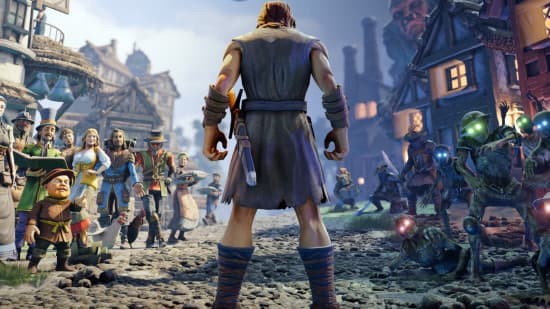
That’s an intentional contrast with the current AAA playbook. Modern blockbusters often read like interactive films: sprawling set pieces, glossy cinematics, player characters as vehicles for pre-written stories. Recent high-profile releases — despite big budgets and production values — have sometimes felt hollow or overworked in terms of pure play. Molyneux’s answer is old-fashioned in one sense (god-game systems, sandbox mischief) and contemporary in another (iterating with players via early access).
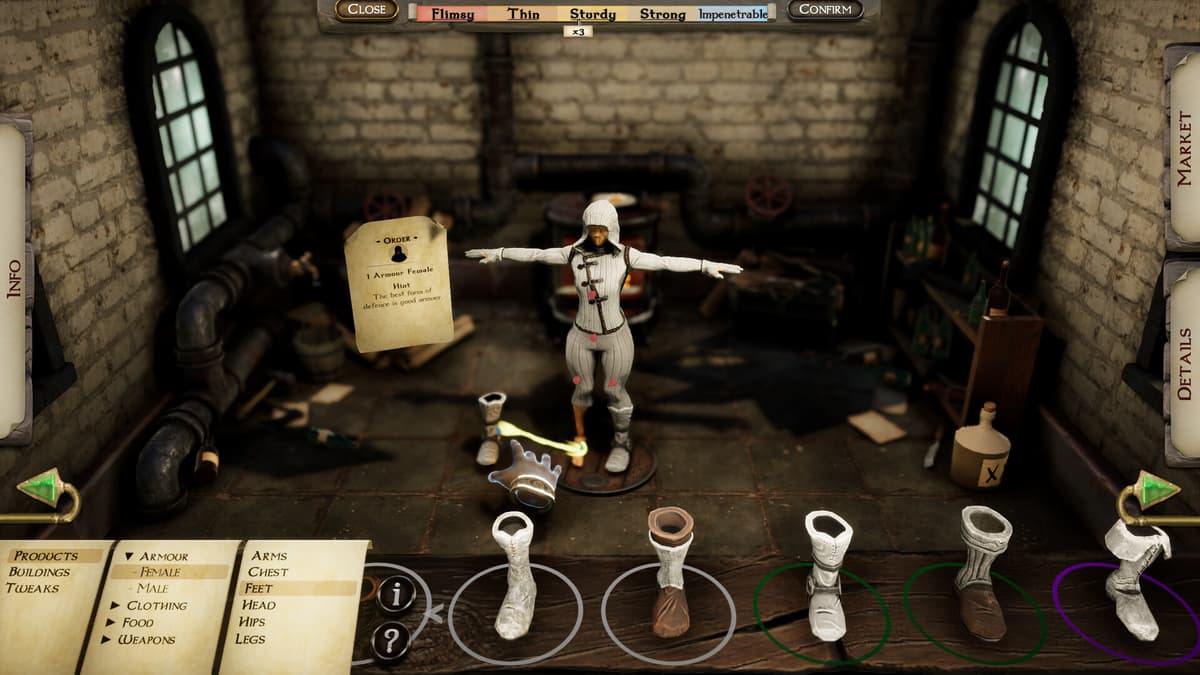
What stood out in the interview were concrete signs this isn’t nostalgia for nostalgia’s sake. The humour — the “Ye Olde English” tone that Fable fans will recognise — isn’t just dressing. Examples Molyneux offered, from flipping off bandits to cannons launching pork pies, illustrate a design that privileges emergent comedy and player-driven stories. Those moments are the product of systems that invite experimentation, not of cutscenes scripted to hit emotional beats.
Crucially, Molyneux acknowledges past missteps and has built a corrective into his plan: early access. Rather than promising a perfect, finished spectacle at launch, the studio intends to ship a living sandbox and refine it based on how real players choose to play. That reduces the risk of overreach — and it’s the smartest way to ensure the core promise (joy) actually translates into everyday moments for players.
What this means for players
- If you miss the days when creativity was central to play, Masters of Albion is deliberately aimed at you: expect systems that reward tinkering, pranks, and improvised stories.
- Early access means features and balance will evolve — bring patience and a willingness to shape the game via feedback.
- If you prefer tightly directed, cinematic narratives, this may not be the title for you; Molyneux is trading some polish for playful possibility.
- For communities and streamers, emergent moments — the unplanned, shareable bits of joy — are likely to be the game’s strongest currency.
There are open questions. Designing freedom that remains meaningful is hard: systems must be deep enough to surprise but robust enough to avoid chaos. The early-access window will be the test: can the studio iterate on emergent behaviours and fix the rough edges that have tripped up ambitious projects in the past?
Even so, Masters of Albion feels like a refreshing design statement. In an industry increasingly comfortable with filmic seriousness, it’s rare to see a veteran designer publicly reclaim playfulness as a primary goal. If the team can deliver the little ludic sparks Molyneux describes — genuine moments that make you grin, laugh, or tell a friend about a ridiculous in-game prank — the game will have done what a lot of blockbusters haven’t: be fun.
TL;DR
Masters of Albion is Peter Molyneux’s intentional pivot back to play. Rather than competing with cinematic AAA spectacle, the game prioritises joy, emergent player creativity, and Ye Olde English humour. Early access is central to the plan — a pragmatic way to refine the sandbox so the promised delight actually happens. If you want a game that rewards imagination and messy, unexpected fun, this one is worth watching.
FinalBoss // Gear
Level up your setup
01Top-rated gaming headsetson Amazon→02High-refresh gaming monitorson Amazon→03Gaming chairson Amazon→04Discounted game keyson Kinguin→Affiliate links · As an Amazon Associate, FinalBoss earns from qualifying purchases.