
Phantom Blade Zero Hands-On: Kung-Fu Spectacle with Real Bite, Not a Souls Clone
Game intel
Phantom Blade Zero
Phantom Blade Zero is a an action RPG featuring deep and dark art style, fast paced combat, and a fictitious world blending Chinese martial arts and steampunk!…
Why This Preview Caught My Eye
Phantom Blade Zero has been on my radar since that flashy State of Play reveal, but not for the usual “Soulslike” reasons. S-Game-Beijing studio with roots in Rainblood and other smaller projects-is shooting its shot with a console-first action RPG that goes all-in on wuxia flair. After roughly 90 minutes hands-on, the headline is simple: this isn’t another pain-punishment Souls imitator; it’s a choreography-first brawler that wants every encounter to look like a meticulously staged fight scene from a classic Hong Kong movie.
Key Takeaways
- Not a Soulslike: difficulty options, group fights, and checkpoints-as-bells that refill supplies without turning every death into a reset loop.
- Combat leans into style: eight main weapons, five “Phantom Edge” secondaries, dynamic weapon clashes, and cinematic aerial finishers.
- Wuxia spectacle lands: rooftop duel, big brute opener, and flashy charged attacks sell the fantasy.
- Minor rough edges: camera quirks, parry/dodge timing readability, and light attacks that could use more oomph.
Breaking Down the Demo
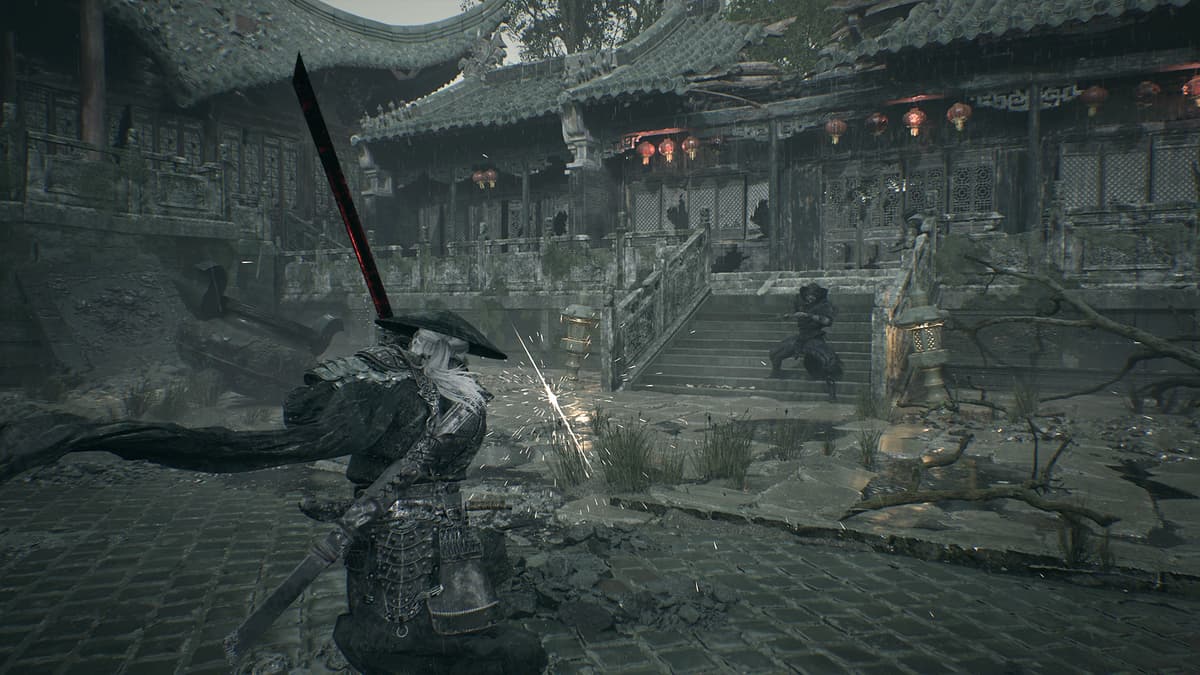
The slice I played offered three difficulty modes-Wayfarer, Gamechanger, and Hellwalker. I stuck to the lowest to see as much as possible, and it felt like a representative vertical slice: mostly linear corridors stitched together with small pockets of space, a simple ladder shortcut, roaming packs of four to five enemies, and two boss fights. You’ll ring literal bells (bonfires by any other name) to restock potions at the cost of repopulated areas, but crucially, enemies don’t reset just because you die mid-encounter. That small detail shifts the vibe away from Souls attrition and toward momentum-based action.
Level design isn’t trying to be a labyrinth. It’s closer to a directed action setpiece with occasional detours—think “fight corridor, breathe, spectacle,” repeat. That could be a plus if the game keeps upping the staging and enemy mix; it could also get samey if the full campaign doesn’t vary its beats. That’s the first big question mark for launch: can S-Game scale this style across dozens of hours without burning it out?
Combat Flavor: Kung-Fu Theater, Manette in Hand
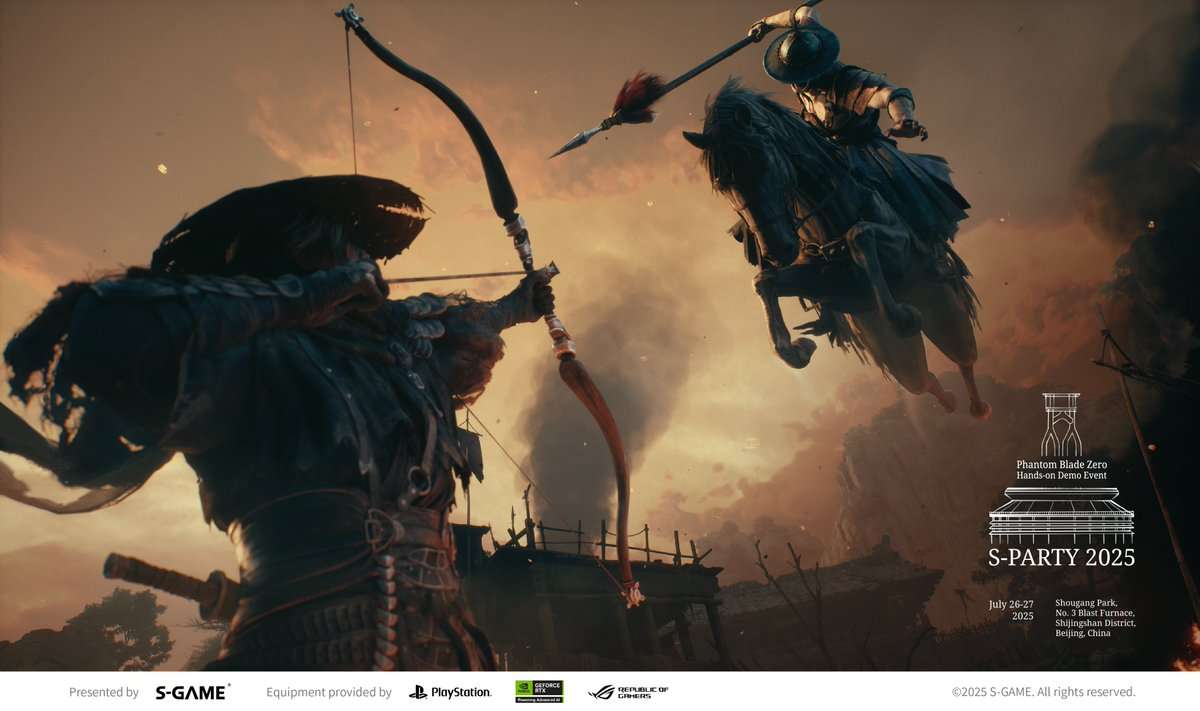
On paper, the inputs are familiar—light, heavy, dodge, parry—but the intent is different. Standard weapons share core combo strings (your square-square-triangle stuff), then branch into more powerful sequences and characterful animations. The showmanship is constant: timed clashes where blades meet dead-on with no damage, aerial spins that carry both fighters into a midair finish, and charged variants that remap moves into big effects. My favorite? The bow’s charged shot swapping a simple arrow for a small explosion that juggles a crowd just long enough to reposition.
The loadout helps this variety land. There are eight main weapons—katana, twin blades, axe, a huge boss-dropped maul, and more—and five secondary “Phantom Edges” powered by a resource you build in combat. The primary stays equipped while Phantom Edges are your spice rack: contextual bursts, high-impact options that punctuate combos, and a reason to manage rhythm rather than mash. This is a game that rewards staying in the pocket and keeping the dance going.
Bosses with Personality (and Readability Caveats)
The first boss was a hulking brute—slow, mean, and happy to throw dirt to blind you—where discipline mattered. The second was a nimble shinobi rooftop duel straight out of a wuxia reel. Together they show the range S-Game is aiming for: big-body spacing tests vs. agility showcases. Visual cues are clear in concept—red for “this will delete you, dodge now,” blue for perfect parry windows—but timing felt slightly floaty on the easiest difficulty. That could be tuning; it could be by design to keep low difficulty approachable. Either way, I want parry windows that feel as crisp as they look.
Camera-wise, I hit a few scrapes in tight corners. To their credit, S-Game fades walls to keep action readable, and for the vast majority of encounters, I could track threats even when surrounded. Still, it’s the classic third-person action tradeoff: when crowds pile in, can the camera keep up? It’s good now; it needs to be rock solid by launch.
Not Another Souls Clone—And That’s the Point
We’re in a post-Sekiro, post-Nioh world where “hard” has become a marketing bullet. Phantom Blade Zero reads different. Difficulty isn’t the identity; flow is. Enemies swarm instead of taking turns, weapons feel designed to interlock, and the game cares a lot about how cool you look doing it. The wuxia influence—80s/90s Chinese cinema energy—pushes it closer to character action while keeping a foot in action-RPG territory.
That brings up the long-game questions I still have. If baseline combos are shared, how distinct will each weapon truly feel by hour 20? How deep are the RPG systems—builds, upgrades, and Phantom Edge synergies—beyond damage numbers? Can level design break out from corridor-to-arena patterns and surprise with stealth beats, traversal, or wild setpieces? The foundation is promising; the staying power will decide whether it’s a stylish fling or a genre standout.
What Gamers Need to Know
If you bounced off punishing Soulslikes but love the rhythm of fast, readable action—think the dazzle of character action games with more grounded defensive play—Phantom Blade Zero should be on your 2026 watchlist for PC and PlayStation 5. S-Game’s mobile-to-console jump looks legit, and the team clearly understands the assignment: make fights feel like a performance you’re directing. There’s polish still to land—impact, parry timing, camera—but the core is already fun in that “one more run” way.
TL;DR
Phantom Blade Zero prioritizes wuxia spectacle and combo-driven flow over Souls-style brutality, and it works. With weapon variety, Phantom Edges, and boss fights that pop—plus a few fixable quirks—it’s shaping up as one of 2026’s most intriguing action RPGs on PC and PS5.