
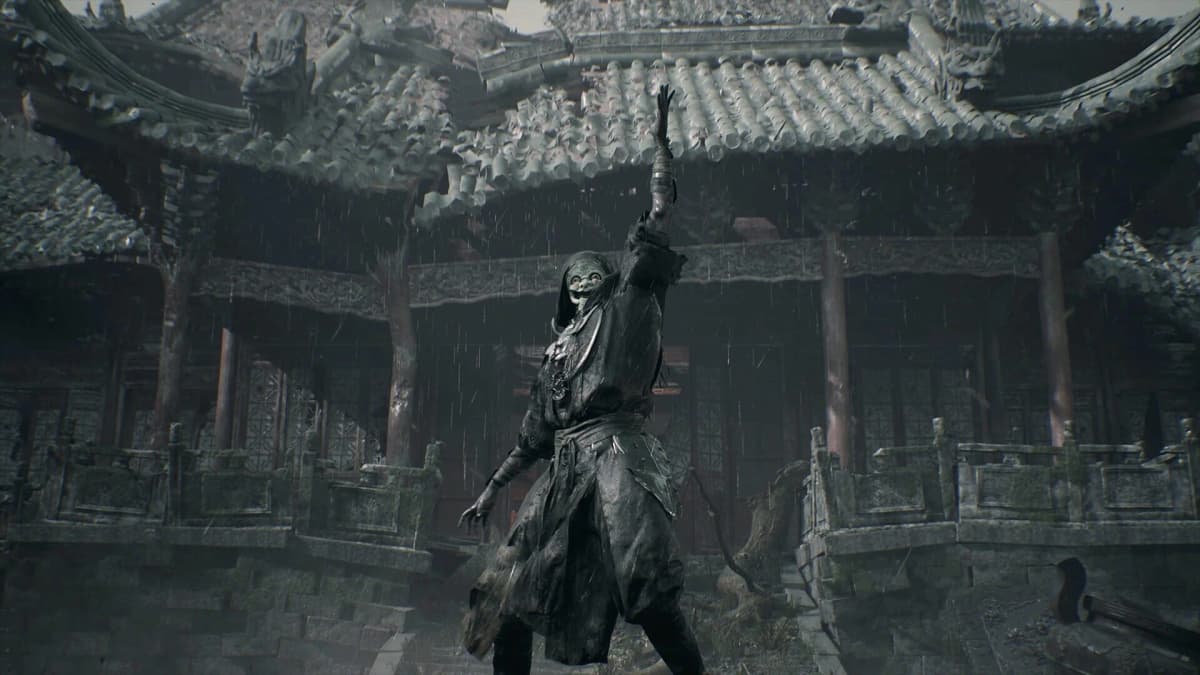
Phantom Blade Zero Taps Jackie Chan’s Legacy — Stunning MoCap, But Will It Play As Good As It Looks?
Game intel
Phantom Blade Zero
Phantom Blade Zero is a an action RPG featuring deep and dark art style, fast paced combat, and a fictitious world blending Chinese martial arts and steampunk!…
Why This Caught My Eye
Phantom Blade Zero has been on my radar since its PlayStation showings, but this latest push – threading Jackie Chan’s stunt legacy directly into the game’s DNA – is the first time I thought, okay, this could be more than another stylish action trailer. S-Game isn’t just name-dropping; they’re chasing a very specific fantasy: the feeling of playing through a 1970s Hong Kong kung-fu film. That’s a bold target, and if you know your cinema, it’s also a minefield. The line between “cinematic” and “unplayable animation lock” is razor thin.
Key Takeaways
- Authenticity push: choreography led by Yuen Chee-yan, a veteran tied to the Jackie Chan Stunt Team, with motion capture executed at full speed for natural flow.
- “Kung-fu punk” identity aims to revive Hong Kong’s golden-era style with a modern, stylized twist – think classic forms meeting brutal, flashy edits.
- High-speed mocap is great for trailers, but gameplay lives or dies on cancel windows, parry timing, and camera design.
- S-Game’s mobile roots mean I’m watching for monetization choices; the promise here demands a clean, premium experience.
Breaking Down the Announcement
Director “Soulframe” Liang has been explicit: Phantom Blade Zero wants to feel like you’re inside a kung-fu film, channeling legends like Bruce Lee, Jackie Chan, Jet Li, and Donnie Yen. That’s not just marketing fluff when the action director is Yuen Chee-yan, and the team is capturing stunts at Flying Goat in Shanghai with an almost obsessive commitment to speed and technique. The detail that stood out most to me: movements are performed at the exact velocity they should appear in-game. No slow-walk-through-once, speed-up-in-post shortcuts. If that standard holds, the microbeats — the weight shifts, guard breaks, and whip-fast recoveries — should read crisply even at 60 fps.
They’re also doing it the old-school way: full rigging with cables, pulleys, counterweights, and coordinated teams stabilizing aerial work in near-silence. That matters because the best Hong Kong fight scenes aren’t just about kicks landing; they’re about rhythm, character, and the breath between impacts. The press materials emphasize performance, not just acrobatics — posture, eye-lines, that “I’m about to level you” stare. If the animators preserve those frames and the engine sells contact well, we could finally get a game that understands why a Jackie Chan hallway brawl hits harder than a generic super move montage.
S-Game is calling the aesthetic “kung-fu punk,” which reads like a gritty, stylized spin on wuxia with modern texture — not neon cyberpunk, more smoky steel and torn silk. I like the pitch. It tells me they’re not chasing photorealism; they’re chasing a vibe. The trick is locking that vibe to inputs so players feel like choreographers, not spectators.
The Real Story for Gamers: Cinematic vs. Control
High-velocity mocap looks incredible in a trailer, but it can betray you in moment-to-moment play if the systems don’t keep up. We’ve all felt this: an attack animation is gorgeous but too long; you tap dodge and the game shrugs because you’re still mid-spin. The difference between a cult classic and a shelf-warmer is often animation priority and cancel windows.
Look at how recent standouts solved it. Sifu let you feel like a stunt performer by pairing grounded animation with snappy transitions and readable tells — every strike had a purpose, and parries sang when your timing clicked. Sekiro’s posture system made defense the star, turning swordplay into a metronome. Wo Long leaned into aggressive parry rhythms at wild speeds. Phantom Blade Zero is promising even faster choreography. That means it needs:
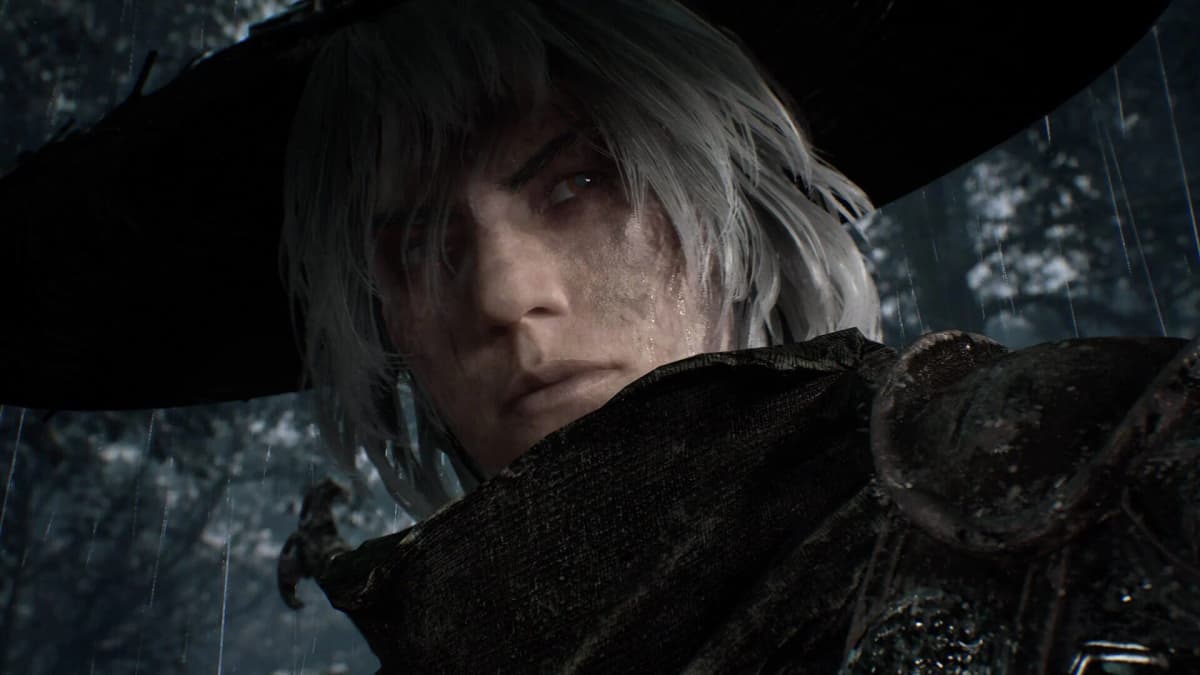
- Generous, consistent cancel windows so players can flow like the stunt team.
- Hard-locked, readable telegraphs — micro-tells that still pop at speed.
- A camera that hugs the action without losing spatial awareness, especially in tight sets.
- Hit reactions and sound design that sell impact without smothering inputs in hit-stop.
The studio has been developing since 2018, and those “certifications” involving Jackie Chan’s standards hint at a quality bar. Great. But standards don’t automatically translate to gameplay. I watched their demos twice; the transitions look almost too clean. If those flourishes are player-driven chains rather than pre-canned set pieces, we’re in business. If they’re mostly contextual finishers, it’ll be a gorgeous highlight reel with limited depth.
Want to Level Up Your Gaming?
Get access to exclusive strategies, hidden tips, and pro-level insights that we don't share publicly.
Ultimate Gaming Strategy Guide + Weekly Pro Tips
Industry Context: Reviving Hong Kong’s Fight Grammar
There’s a reason this approach resonates now. The true Hong Kong kung-fu grammar — rhythm, environmental improvisation, personality through movement — faded in cinema during the 2000s. Games have circled it for years. Sleeping Dogs nailed prop-heavy brawls but never fully captured traditional forms. Naraka: Bladepoint channeled wuxia air control in a multiplayer wrapper. Sifu gave us the closest thing to filmic intent in a modern action game. Phantom Blade Zero is aiming for that lineage but with a heavier, grimmer style.
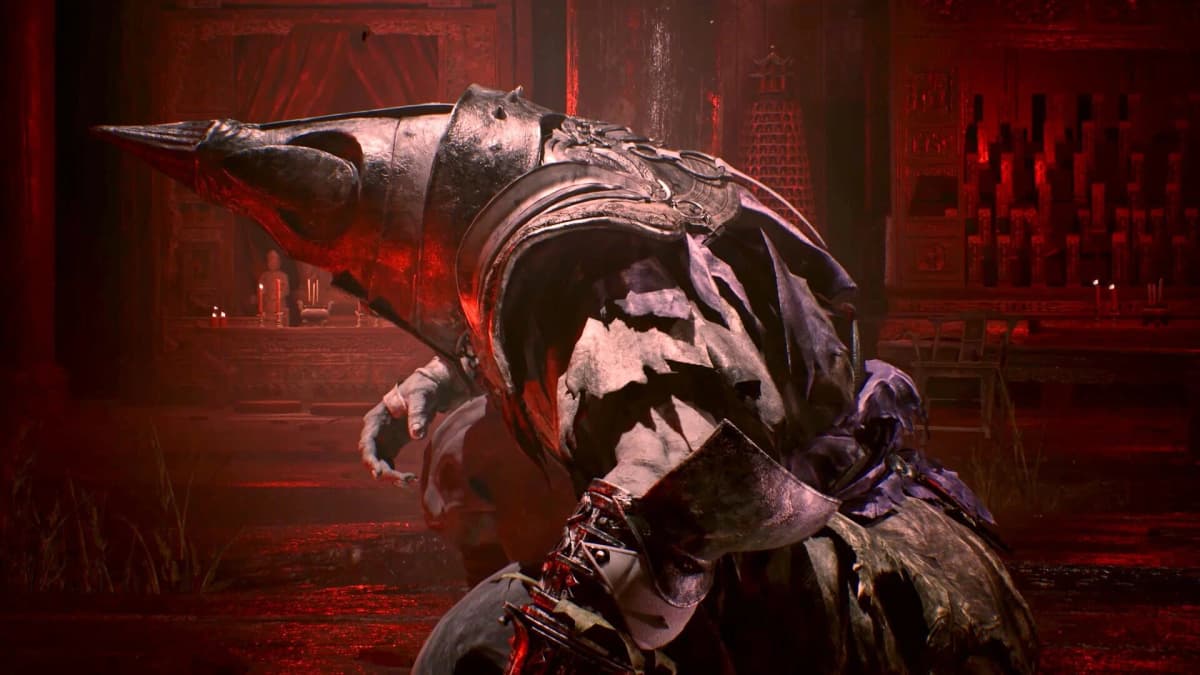
One flag I can’t ignore: S-Game’s Phantom Blade lineage comes from mobile. That doesn’t doom anything — plenty of teams graduate — but it does make me watch for design residue: stamina tuning that encourages grind, progression gates, or cosmetic microtransactions sneaking into a premium pitch. If they truly want to honor Jackie Chan’s ethos — skill, creativity, and physical storytelling — the business model should get out of the way and let players master the system.
Questions I’m Still Asking
- Is 60 fps the non-negotiable target across modes? At this speed, it has to be.
- How deep are the defensive tools: parries, deflections, stance breaks, and evasions?
- Are environment interactions (ladders, railings, props) part of core combat, Jackie-style?
- Will there be robust training tools — frame data, replays, or at least a smart dojo?
TL;DR
S-Game is building Phantom Blade Zero with serious stunt pedigree — including talent linked to the Jackie Chan Stunt Team — and capturing fights at full speed to bottle Hong Kong’s golden-era energy. If the game gives us control worthy of the choreography, this could be the next great martial arts action title. If not, it’ll be another gorgeous trailer machine. I’m hopeful, but I want my hands on a pad before I believe the hype.