
This story caught my attention because a familiar public face who spent decades defending games at Microsoft walked out the door mid-crisis – and the person sliding into the seat is a CoreAI executive, not a veteran game boss. That combination matters more than corporate-speak: Xbox’s steward of the console era is gone, an apparent successor also left, and the new leader arrives with AI-first credentials right as Microsoft reshapes how it wants games to make money and run on new hardware.
- Quick take: Phil Spencer’s exit is more than a retirement; it exposes a strategic tug-of-war inside Microsoft between traditional console gaming and an AI-driven future.
- Why players care: Asha Sharma’s AI background and early comments about “returning to Xbox” leave the biggest unanswered questions around exclusives, Game Pass monetization, and the fate of the next console.
- Industry fear isn’t imaginary: Xbox co‑founder Seamus Blackley and others see the move as evidence Microsoft could deprioritise console-first strategies in favour of AI-centric bets.
- What to watch: Sharma’s forthcoming public remarks, any quick changes to Game Pass pricing/terms, studio funding/leadership shifts, and concrete hardware roadmaps over the next 60-90 days.
Table of Contents (5)
Why this shakeup actually matters right now
Leadership changes are usually wallpaper. This one isn’t. Microsoft is in the middle of three all‑at‑once shifts: an aggressive corporate pivot into AI, active reworking of Game Pass monetization, and quietly accelerated plans for new Xbox hardware. Put Spencer’s departure and Sarah Bond’s exit next to Asha Sharma – previously president of Microsoft’s CoreAI product – and it becomes a clear signal that Xbox will be judged by how easily it folds into Microsoft’s AI priorities, not merely by whether it ships shiny boxes and big exclusives.
Phil Spencer’s legacy: hero, fixer, and the limits of goodwill
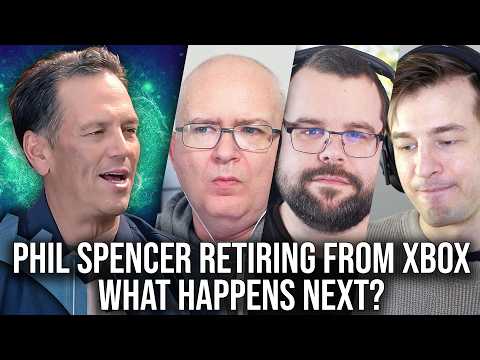
Phil Spencer deserves credit: he rescued Xbox after the One-era missteps, pushed backwards compatibility, backed premium hardware like the Xbox One X and Series X, and created Game Pass — which reshaped how many of us buy games. As TheSixthAxis summed up, he rewrote Xbox’s playbook. But that playbook also left a mess: a diluted exclusives strategy, brand identity fuzziness, and mounting consumer cost pressure as Game Pass expanded. That combination made the platform both more ambitious and more brittle.
The uncomfortable question the PR won’t answer
Seamus Blackley — who helped create Xbox — didn’t mince words in comments republished by IGN and GamesBeat: he thinks Microsoft may be “sunsetting” Xbox, arguing Nadella’s push to subsume everything under AI makes console-first investments vulnerable. That’s the blunt reading critics are pushing. The more charitable reading: Microsoft wants to knit gaming into AI-enabled services and tools. Either way, the risk for players and studios is the same — priorities and budgets can shift fast.
Worth noting: Asha Sharma has already said she hears calls for a “return to Xbox” and acknowledged fans want exclusives (per Steam News). But words are cheap. The real test is what Microsoft funds and what it lets its studios ship without extra corporate strings attached.
If I were sitting in a briefing with Microsoft PR right now, here’s the question I’d ask them: “Which of the following has first claim on Xbox’s capital next quarter — new console R&D, guaranteed greenlighting of exclusive titles, or AI integration projects like co‑pilot features — and can you promise not to pick AI at the expense of console and studio budgets?” That’s the one-line test that will tell whether this is a leadership change or a strategic pivot disguised as continuity.
What to watch — concrete signals, not spin
- Sharma’s first public roadmap: pay attention to whether she names concrete console projects or talks only about AI and platform services. Timing: expect clarity within the next 60-90 days as the new team settles.
- Game Pass changes: any pricing/feature shifts, tier restructuring, or new monetization models announced immediately after this change will say more about strategy than press statements ever could.
- Studio budgets and leadership: new funding freezes, cancellations or departures at Xbox Game Studios are a red flag; renewed exclusive commitments and hiring sprees are a green one.
- Hardware signals: confirmation of specs, price targets, or cancellation of the next Xbox hardware will reveal whether Microsoft still believes in consoles as loss‑leader cultural platforms or simply as vehicles to drive cloud/AI services.
In short: listen to the language, but watch the ledgers.
TL;DR
Phil Spencer’s exit and Sarah Bond’s departure leave a vacuum that Microsoft filled with an AI executive, Asha Sharma. That swap can mean two things: a fresh attempt to blend gaming into Microsoft’s AI future, or the beginning of a slow deprioritisation of console‑first investments. The next 60-90 days — Sharma’s public statements, any immediate Game Pass or studio funding moves, and hardware confirmations — will tell us which it is.
FinalBoss // Gear
Level up your setup
01Best-selling Xbox Series X|S gameson Amazon→02Xbox controllerson Amazon→03Top-rated gaming headsetson Amazon→04Discounted game keyson Kinguin→Affiliate links · As an Amazon Associate, FinalBoss earns from qualifying purchases.
Want to Level Up Your Gaming?
Get access to exclusive strategies, hidden tips, and pro-level insights that we don't share publicly.
Ultimate Gaming Strategy Guide + Weekly Pro Tips