
Phonopolis has the kind of pitch that immediately splits people into two camps. A three-hour point-and-click puzzle adventure set in a dystopian city ruled by loudspeakers sounds wonderfully precise if you like compact, authored indies. It also sounds suspiciously slight if you want your puzzle games to be dense, difficult, and stuffed with mechanical tricks. That tension is the whole conversation here. Based on the currently available public review evidence, Phonopolis seems to understand exactly what it wants to be. The catch is that its strengths and its limits are almost the same thing.
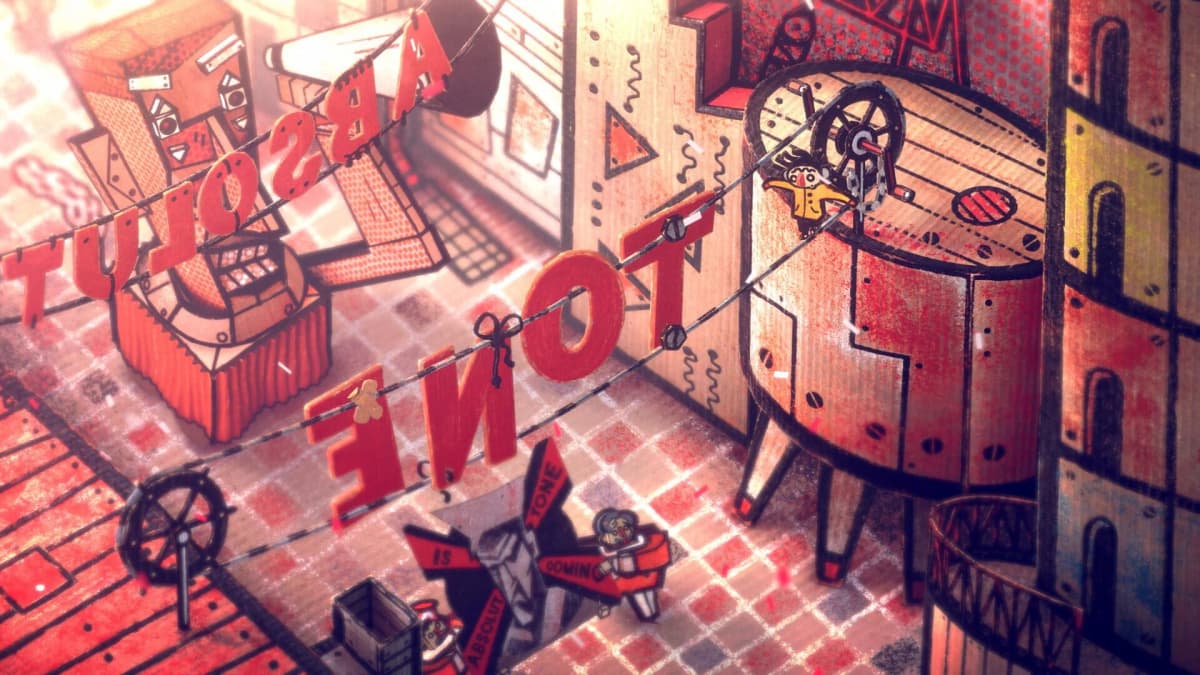
The broad picture is encouraging. Amanita Design’s game appears to wrap its premise, art direction, and puzzle logic around the same central idea: sound as control, sound as oppression, and sound as the way through the world. You play Felix in a city shaped by the Leader and the notion of an “Absolute Tone,” moving through handcrafted, stop-motion-style spaces and solving audio-driven puzzles. That is a much stronger hook than “short indie with nice vibes.” It suggests a game where the mechanics are not just sitting next to the story, but actually speaking the same language.
Table of Contents (8)
Key takeaways
- Phonopolis is a short, roughly three-hour point-and-click puzzle adventure with a dystopian audio-control premise.
- The strongest public praise centers on its handcrafted stop-motion-style art, sound design, and the way its puzzles fit the fiction.
- The biggest caveat is scale: this looks more like a tightly curated evening-length experience than a systems-heavy adventure game.
- Available review coverage also notes a few challenging or potentially irritating puzzle moments, though not enough to sink the whole thing.
- If you prize atmosphere, cohesion, and memorable art direction, it looks promising. If you want length, replayability, or intricate adventure-game depth, the warning signs are real.
A small game with a sharper hook than most bigger ones
There are plenty of indie adventures that lean on shorthand. They want credit for being emotional, strange, or stylish before they prove that any of those qualities matter in play. Phonopolis does not seem to have that problem. “Dystopian city controlled by loudspeakers” is not just a flavor-text setting description. It creates an immediate expectation that sound will matter materially, not just atmospherically. That matters because audio-themed games can go two very different ways. The lazy version gives you good music and hopes you do the rest of the imaginative work. The better version makes listening part of the space, part of the threat, and part of the problem-solving. Public review coverage strongly suggests Phonopolis aims for the second path.
Felix’s journey through this city seems built around that idea from top to bottom. The Leader and the “Absolute Tone” give the game an authoritarian spine, and the handcrafted city gives that spine a face. That is important in a short game. When you only have around three hours, you cannot rely on repetition, grind, or scale to make a world feel convincing. Every room, every prop, every puzzle setup needs to pull double duty. It has to be readable as gameplay and legible as storytelling at the same time. The available evidence points to Phonopolis doing exactly that, which is one reason the short runtime looks less like a compromise and more like a deliberate design boundary.
The best version of a game like this is not “small but respectable.” It is “small because anything larger would have diluted the spell.” Phonopolis sounds close to that ideal. Still, that does not mean it escapes the usual questions about value. Three hours is concise enough to feel elegant and concise enough to feel over almost before it begins. Whether that lands as refreshing or undernourishing is going to depend entirely on what you ask of your adventure games.
The smartest thing here is that sound does not seem ornamental
The most interesting detail in current review coverage is not the art, even though the art is clearly a major draw. It is the repeated emphasis on audio-driven puzzles. That sounds obvious for a game called Phonopolis, but game pitches are full of obvious ideas that never survive contact with actual design. Here, the public verdict so far suggests the audio focus is genuinely integrated. In other words, the game does not merely tell you this city is ruled by sound. It asks you to think in those terms as you move through it.
That is a big deal because puzzle-adventure games live or die on internal logic. Players will forgive a short runtime. They will forgive limited interaction. They will even forgive a little awkwardness if the underlying idea is novel enough. What they do not forgive is a game that feels arbitrary. Sound-based puzzle design can become arbitrary very quickly if the cues are muddy, the feedback is vague, or the solution hinges on the designer’s private logic rather than the player’s observation. The encouraging read on Phonopolis is that its sound and music integration helps make those puzzles feel coherent instead of decorative.
That thematic unity also gives the story more weight. A dystopia ruled by loudspeakers could have turned into an easy metaphor machine: propaganda, conformity, a few creepy announcements, done. But when the puzzle layer also revolves around listening, timing, tone, or audio relationships, the fiction stops being wallpaper. It becomes the rules of the world. That sort of cohesion is often what separates a pretty indie curiosity from one people remember months later.
There is a practical advantage too. Audio-led puzzle design can create a different kind of readability than traditional inventory-heavy adventure games. Instead of asking players to hoard objects and brute-force combinations, it can guide them through rhythm, sequence, emphasis, and environmental feedback. That tends to feel cleaner when it works. It also tends to feel much more annoying when it does not, because you cannot always “see” what the game wants the way you can with physical-object puzzles. That is where Phonopolis’ few reported challenging moments become important.
The three-hour runtime is both the sales pitch and the warning label
A lot of players say they want shorter games until they are asked to pay attention like shorter games demand. A compact puzzle adventure has nowhere to hide. If one scene drags, you feel it. If one puzzle is obtuse, it occupies a much larger percentage of the experience. If the atmosphere clicks, though, the game can feel like a finished thought rather than a content package. That is the gamble Phonopolis appears to make.
Current coverage frames the game as “short, crafted,” and that wording feels exactly right. This does not sound like an adventure built around replay depth, branching outcomes, or sheer puzzle volume. It sounds staged. Curated. Deliberately shaped. For players exhausted by bloated campaigns and endlessly expandable maps, that can be a relief. A three-hour game that knows when to stop is often more satisfying than a 12-hour one that keeps re-explaining itself. Phonopolis seems poised to hit that sweet spot for the audience that values concentration over abundance.
The warning is obvious, but it still needs stating plainly: if you equate value with hours, this will be a hard sell. If you want layered adventure-game problem solving, dense interaction verbs, or the kind of design where you spend half an hour staring at your inventory and feeling clever, Phonopolis does not seem built to compete on those terms. Even fans of atmospheric indies can bounce off games this short if the ending arrives before the ideas fully breathe. The strong art and audio might compensate for that. They might not. In a compact game, taste matters more than tolerance.
There is also a subtler risk. When a game is clearly handcrafted, players sometimes over-credit it for restraint. Not every short game is elegantly minimal. Some are simply underdeveloped. The available evidence suggests Phonopolis lands on the right side of that line, but it is still fair to say the appeal here is likely aesthetic and thematic first, mechanical second. That does not make it shallow. It just defines the bargain.
The handmade city seems to be doing a lot of heavy lifting, and that is fine
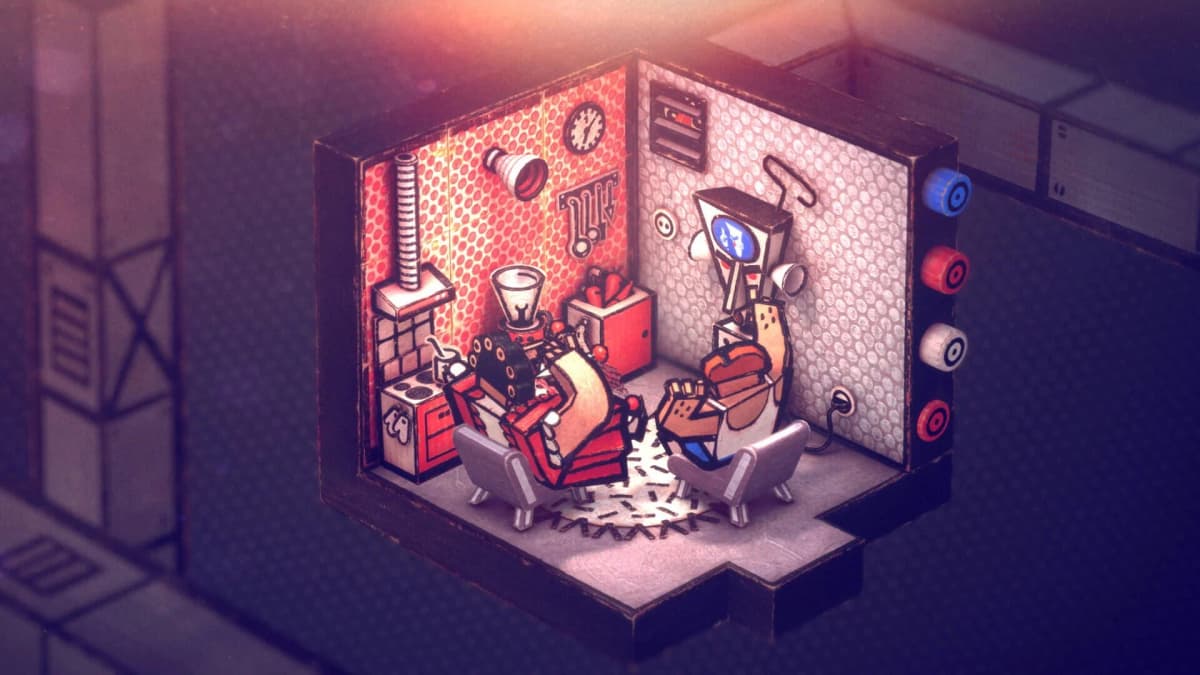
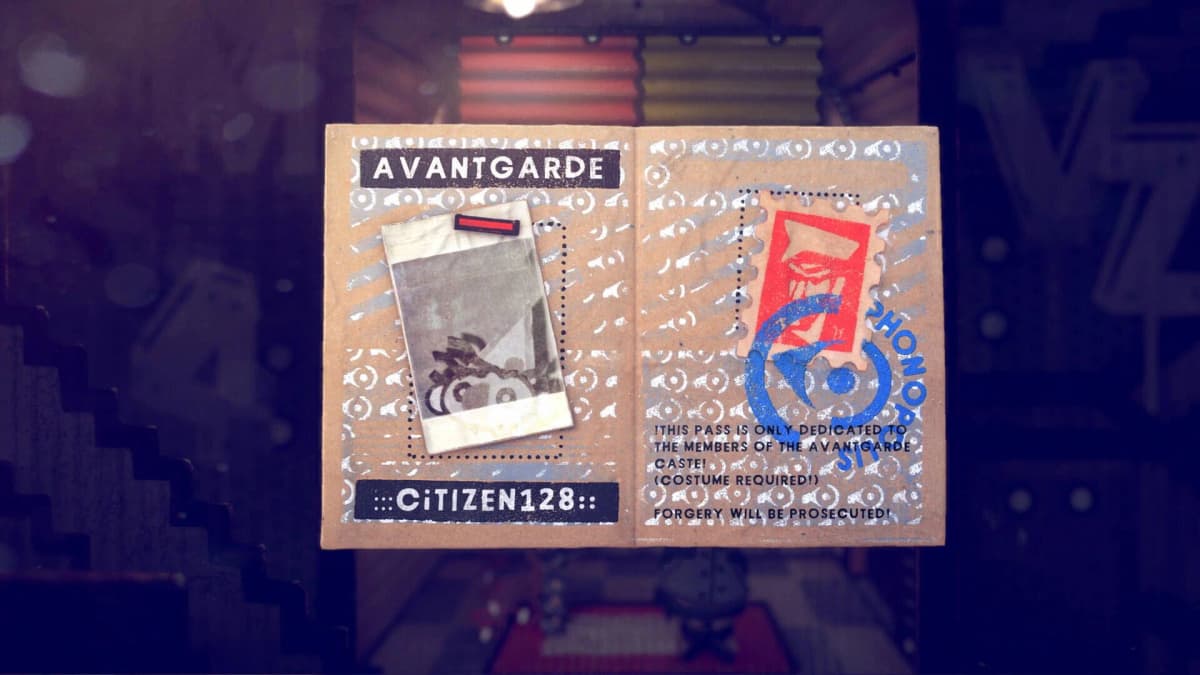
Public praise for the visual side of Phonopolis is easy to understand. Stop-motion-style, handcrafted environments are not automatically better than other art directions, but they do bring a particular kind of texture that sterile dystopian settings usually lack. A city controlled by sound could have easily fallen into generic future-authoritarian imagery: hard neon, harsh concrete, faceless propaganda screens. The handmade approach appears to give this place a tactile fragility instead. That changes the mood. It makes the oppression feel built, arranged, and maintained rather than abstractly declared.
That tactile quality is especially valuable in point-and-click design because the player’s relationship to the world is mediated through looking. You are scanning screens, testing interactions, and trying to infer intention from composition. A richly handcrafted scene can make that process pleasurable even before a puzzle reveals itself. In the best cases, the environment is the hint system. You learn what matters because the world quietly frames it for you. If Phonopolis is earning the praise it is getting for art and sound together, then those environments are probably not just beautiful backgrounds. They are part of how the game teaches you to pay attention.
That said, art this distinctive can create its own pressure. Once players hear “handcrafted” and “stop-motion-style,” expectations go through the roof. They stop asking whether a game is good and start asking whether every frame is museum-worthy. That is an unfair standard, but it is real. The safer way to understand the visual pitch is this: the art seems to support the world and mood extremely well. It should not be mistaken for a promise of deep simulation or broad systemic play.
The friction points look real, even if they do not seem fatal
The available review evidence is not pretending Phonopolis is frictionless. A few challenging moments are mentioned, and in a game of this size that detail matters more than it would in a much longer campaign. One sticky puzzle in a three-hour adventure can distort the entire memory of the experience. Ten minutes of confusion can feel like a meaningful tax when the whole game is built as a concise, authored ride.
Without spoiler-level specifics, the most realistic concern is readability. Audio-centered puzzle design has to communicate cleanly, especially when the fiction is abstract enough to be metaphorically charged. If a player cannot tell whether they are meant to listen for a cue, manipulate a sound relationship, or simply admire the ambience, irritation shows up fast. The fact that current coverage still comes down on the positive side suggests those pain points are intermittent rather than structural, but they are worth flagging because they hit certain players harder than others. Puzzle veterans who enjoy wrestling with a game may shrug. Players drawn in primarily by atmosphere might have less patience when the design briefly goes opaque.
Technical details are thinner right now. Public coverage has focused heavily on art direction, sound, and puzzle structure rather than platform-specific performance behavior. That is not a red flag by itself, but it does mean there is not enough verified information yet for a hard all-platform technical endorsement. As of the current evidence, the conversation around Phonopolis is about whether its compact design and audio-led puzzles are satisfying, not whether it is collapsing under bugs or frame pacing trouble.
Bottom line: who should buy it, who should wait
Phonopolis looks easiest to recommend to players who like their games authored, unusual, and finishable in a single sitting or two. If you hear “three-hour puzzle adventure about sound, control, and a handmade dystopian city” and immediately start clearing an evening, this seems very much aimed at you. The available evidence points to a game with real aesthetic conviction, unusually cohesive sound integration, and the good sense not to overstay its welcome.
The softer recommendation is for players who mainly want puzzle density or strict value-per-hour math. Those players are not wrong; they are just shopping for a different meal. Phonopolis does not appear to be trying to win through abundance. It is trying to leave an impression through unity: premise, puzzle logic, sound design, and visual texture all pulling in the same direction. When that works, it can feel special. When it does not match your taste, it can feel like a beautiful minor work that ends before it ever becomes essential.
Based on the current public review picture, Phonopolis lands at an 8/10. That score comes with a clear condition attached: it is an 8 for players who value atmosphere, craft, and thematic puzzle design over scope. For everyone else, the same qualities that make it appealing may also keep it at arm’s length.
TL;DR
- Best for: players who want a short, curated, atmosphere-first puzzle adventure.
- Why it stands out: the dystopian loudspeaker premise appears tightly fused to the sound-driven puzzle design.
- Main strengths: handcrafted stop-motion-style visuals, strong sound design, coherent worldbuilding, focused runtime.
- Main caveats: light overall scale, a few likely frustrating puzzle beats, limited appeal for players chasing depth or length.
- Verdict: a promising and unusually cohesive small-scale adventure that seems to know exactly how big it should be.
FinalBoss // Gear
Level up your setup
01Top-rated gaming headsetson Amazon→02High-refresh gaming monitorson Amazon→03Gaming chairson Amazon→04Discounted game keyson Kinguin→
Affiliate links · As an Amazon Associate, FinalBoss earns from qualifying purchases.
Want to Level Up Your Gaming?
Get access to exclusive strategies, hidden tips, and pro-level insights that we don't share publicly.
Ultimate Reviews Strategy Guide + Weekly Pro Tips