

Pillars of Eternity Finally Gets Turn-Based — Here’s Why It Matters (and What Could Break)
Game intel
Pillars of Eternity
Obsidian Entertainment proudly presents the sequel to our crowdfunded and critically-acclaimed role-playing game, Pillars of Eternity. Welcome to Pillars of Et…
Real talk: Pillars of Eternity just went turn-based, a decade later
This caught my attention because Obsidian already proved with Deadfire’s 2019 patch that a thoughtful turn-based mode can completely change how their CRPGs feel. Now, ten years after the original launched, Pillars of Eternity is getting its own turn-based option in public beta on PC (Steam and the Xbox app for Windows). You can flip between real-time-with-pause and turn-based, with tweaks inspired by Deadfire’s feedback: clearer initiative, faster pacing, and some actions made “free.” It’s a big swing at modernizing a classic-right as turn-based design is back in fashion.
Key Takeaways
- Public beta starts November 5 on Steam and PC (Xbox app). It’s opt-in and separate from console versions.
- You can switch between real-time and turn-based mid-campaign; changes kick in next combat or after a save/reload.
- Initiative is visible, speed matters, and lethality is up-expect snappier, deadlier encounters.
- Weapon swaps, potions, and certain toggles count as free actions (limited to once per turn) to keep turns moving.
- Great on-ramp for newcomers who bounced off RTwP; veterans should expect quirks while Obsidian tunes balance.
Breaking down the announcement
Obsidian’s pitch is simple: a structured turn order driven by your party’s overall speed, readable initiative bars for both allies and enemies, and a handful of “no-turn-cost” interactions so you aren’t punished for swapping to a bow or chugging a potion. The studio also says the mode aims to be brisker than a literal RTwP freeze-frame, with higher lethality so trash fights don’t drag. Crucially, you don’t need a new save: flip a toggle in options or when starting a game, and it takes effect from the next fight.
Access is straightforward: on Steam or the Xbox PC app, opt into the beta branch for Pillars of Eternity and patch up. That’s it. It’s PC-only for now; if you’re hoping to try this on console, you’ll be waiting. And yes, it’s a beta-expect rough edges, odd encounter pacing, and UI kinks while they iterate.
Why this matters now
The genre has shifted. Turn-based CRPGs are having their moment, and even stalwarts of the RTwP era are reconsidering. Obsidian saw how many players clicked with Deadfire once turns turned its combat into digestible tactical puzzles. Bringing that clarity to the first game is a smart way to make its best parts—party building, scripted interactions, lore—more accessible without gutting its identity.
For lapsed fans, this is a solid excuse to revisit the Dyrwood. For anyone who bounced off the original’s busy combat and AI micromanagement, the new mode could finally let the game breathe: you’ll see who acts when, why a graze didn’t convert to a hit, and whether blowing a precious resource now is worth it. It respects your time—at least on paper.
The real story: how it actually changes play
The headline isn’t “it has turns”; it’s the rule tweaks that make those turns work. Free actions once per turn (weapon swap, potion, certain toggles) means you’re not forced into awkward “do I waste my whole turn to drink?” dilemmas. Visible initiative turns speed into a real build lever—boots, buffs, and class kits that improve action tempo matter more now. And the planned bump to lethality should prevent the slog that plagued some RTwP-to-TB conversions.

There are caveats. Pillars 1 wasn’t built around turns; some encounters were tuned for sustained attrition and positioning under RTwP. Expect the occasional oddity: enemy packs that melt too fast, or control effects that swing a fight harder than intended because the timeline becomes king. Resource-limited casters will feel different too—turn-based cadence makes each cast loom larger, and resting logistics can either feel meaningful or tedious depending on how you pace dungeons.
My early advice? Build for initiative and control. One sturdy front-liner, one dedicated support, and two damage dealers that can exploit delayed enemies is a strong baseline. Don’t sleep on potions—now that they’re free actions (once per turn), they’re essentially safety nets you should actually use. And turn on the initiative UI; it’s the whole point.
Skepticism check: where this could stumble
Beta means balance whiplash. If Obsidian leans too hard on lethality without trimming encounter bloat, the mode could oscillate between breezy and brutal. AI behavior also matters in turn-based—if enemies waste turns or dogpile poorly, the tactical layer loses bite. Finally, switching modes mid-run is a blessing, but it also hints that the campaign isn’t fully re-authored for turns; it’s a clever retrofit, not a remake.
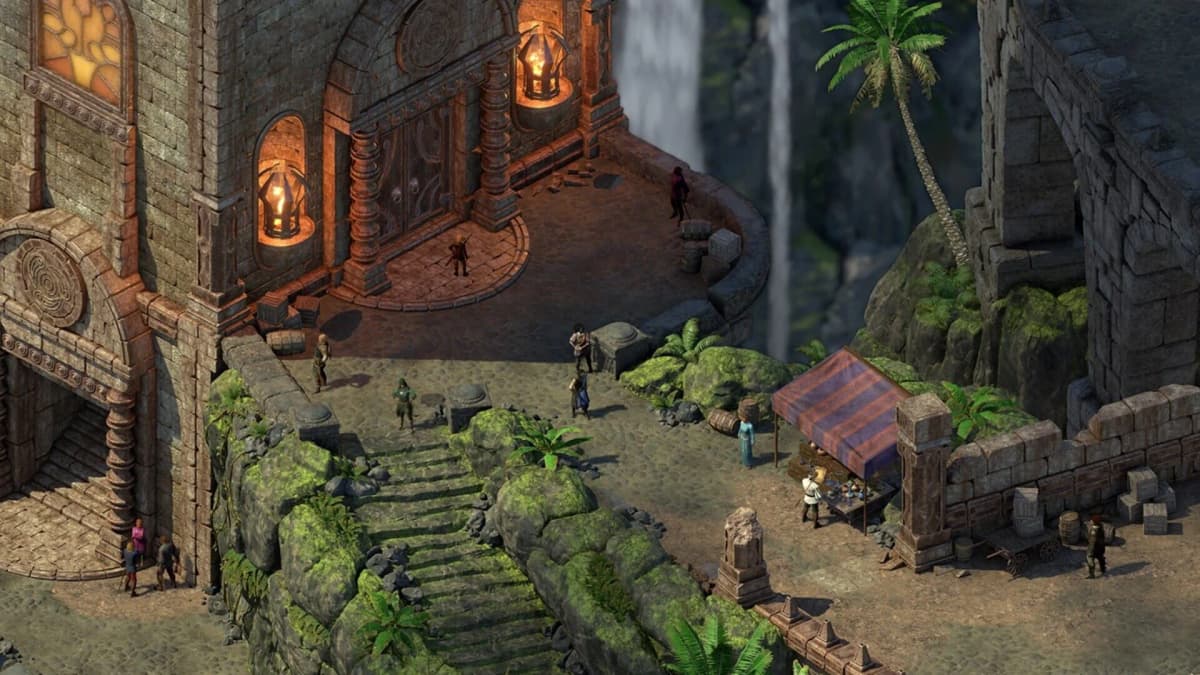
That said, Obsidian’s track record on post-launch iteration is solid, and the design calls echo what worked in Deadfire: readability, momentum, and fewer “gotcha” taxes on basic actions. If the studio listens to early feedback—especially around trash fights and caster pacing—this could become the definitive way to play for a big chunk of the audience.
What gamers need to know before diving in
- Use the beta branch on PC to enable it, and expect bugs. Back up your saves.
- Turn on initiative bars and consider nudging turn animation speed to 100% for momentum.
- Treat potions like tools, not panic buttons—they’re free to use once per turn.
- If a fight feels off, try flipping back to RTwP; the option exists for a reason.
TL;DR
Obsidian’s turn-based beta for Pillars of Eternity is a smart retrofit that makes the classic easier to parse and more tactical, with free actions and visible initiative speeding things up. It’s not a full rebalancing—expect weird fights and tuning passes—but it’s already the most inviting way to experience the Dyrwood if RTwP never clicked for you.