

Game intel
Borderlands 4
When Gearbox dropped Borderlands 4 on September 12, 2025, I was hoping for a reset button. With Borderlands 3’s mixed narrative and Tiny Tina’s Wonderlands feeling more like a side dish than a main course, this sequel looked like the studio’s chance to remind everyone it still rules the looter-shooter roost. Instead, we’re staring at a 67% Steam rating as of September 14 (5 pm UTC) and a weekend full of performance complaints—stutter, inconsistent frame times, and the inevitable “why is my $1,500 rig choking on a cel-shaded shooter?” forum posts. That alone would sting, but then Gearbox CEO Randy Pitchford jumped onto X and dropped the line no one asked for: “Borderlands 4 is a premium game made for premium gamers.”[2]
Pitchford’s weekend posts attempted to set expectations: just as a PS4 can’t run next-gen titles, older PCs won’t handle Borderlands 4. Fair in theory—we’ve left Jaguar-era consoles behind for a reason—but the delivery felt like getting head-shot by a troll. Saying “Borderlands 4 is a premium game made for premium gamers” reads less like helpful guidance and more like a velvet rope at a nightclub.[2] Then he replied to a fan’s AI upscaling gripe: “Code your own engine and show us how it’s done… We will be your customer when you pull it off.” It’s clearly tongue-in-cheek, but that energy toward paying customers—many of whom simply want smooth 60 fps—was always a hot take waiting to backfire.
This whole episode also resurrects sour memories about the series’ approachable vibe. Borderlands used to be the “chill hangout shooter” you could recommend to anyone. If the new brand message is “upgrade your rig or leave,” that’s a tonal shift nobody ordered—especially on launch week.
Modern PC games are built on a cocktail of systems: shader pre-compilation, CPU threading, asset streaming and, yes, AI upscalers like DLSS, FSR or XeSS. There’s nothing inherently wrong with any of these—when they’re the cherry on top of a solid base. The frustration flares up when native performance is inconsistent and the “fix” is to lean on frame generation or aggressive upscaling to mask stutter and poor frame pacing.
Tech analysis outlets have already reported benchmark results showing RTX 3080 rigs dipping into the 40–50 fps range at 1440p on high settings in Promethea, with stutter spikes whenever shader cache fills. Likewise, CPU-bound sections saw drops below 60 fps on modern 6- and 8-core chips despite “recommended” specs. These aren’t edge cases—early adopters across Reddit and Discord have documented similar CPU bottlenecks and VRAM budget issues leading to mid-game texture pop-ins and memory leaks after an hour of play.
If a game can’t maintain stable frame times on hardware near the recommended spec without leaning on Quality-to-Performance compromises, that’s on the build, not the buyer. We’ve seen both sides of the story: The Last of Us Part I launched rough, got cleaned up in a month, and now runs beautifully. Conversely, some titles never fully shake pesky memory leaks or CPU threads that refuse to cooperate. Right now, Borderlands 4 sits in limbo—it’s fixable, but fix it you must.
Let’s be clear: this isn’t a cutting-edge path-traced simulation. Borderlands trades photorealism for stylized visuals and chaotic combat effects. That mix can still murder performance if streaming and effect budgets aren’t dialed correctly—but under good optimization, this should be the kind of game that feels buttery on a broad range of PCs. And that’s why the backlash sounds so loud: players know it can run better than this.
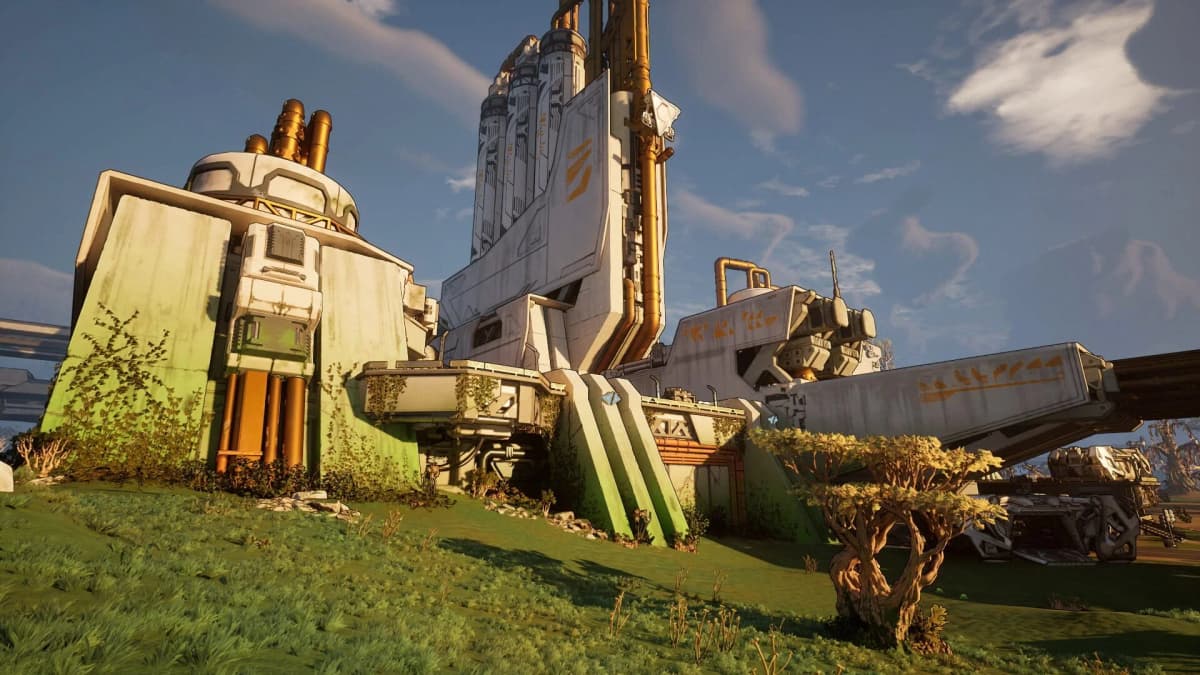
If you value hitch-free gameplay or only have a few precious gaming nights each week, patience pays. Wait for two to three more patches and watch for notes that specifically call out shader caching, streaming improvements, CPU threading fixes, and memory leak resolutions. Those are the genuine “big-ticket” items that turn “barely playable” into “solid for a co-op marathon.”
If you’re diving in today, consider these workarounds:
None of these are silver bullets, but they smooth out a lot of rough edges.
Above all, don’t let anyone tell you your PC is “not premium enough” if you meet or slightly exceed the listed recommended specs. Good PC ports scale; great ones sing across diverse hardware.
Gearbox can still turn this ship around. First, prioritize stability over every shiny toggle. Next, be explicit in each patch note: “reduced traversal stutter by X% on 6/8-core CPUs,” “addressed VRAM leak after two-hour sessions,” “improved shader load times by Y%.” That kind of transparency rebuilds goodwill. Finally, stop sparring with customers online. The best apology is a consistent 60 fps experience.
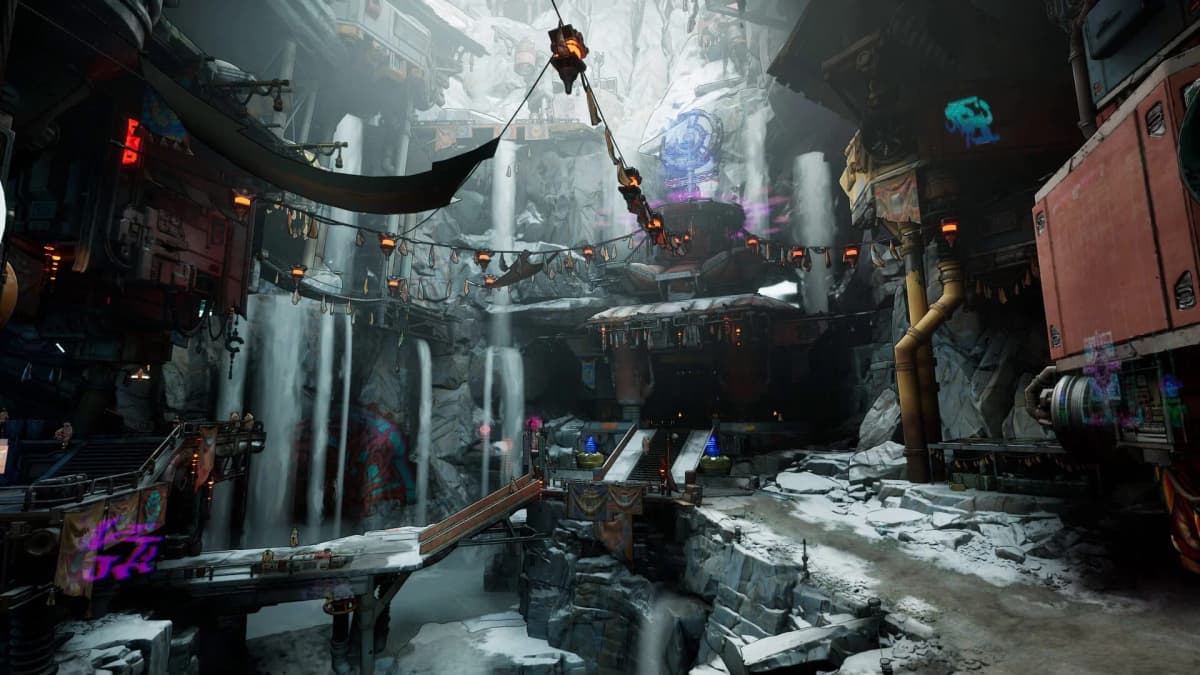
History shows that even rough launches can be forgiven—just ask the Cyberpunk 2077 comeback story. But the “premium gamers” posture? That’s a loot drop nobody asked for. Deliver performance, keep the jokes inside the game scripts, and let the co-op chaos speak for itself.
Borderlands 4 hit PC on September 12 and quickly ran into performance troubles, earning a 67% Steam rating by Sept. 14. Randy Pitchford’s “premium gamers” comment turned the heat up, and AI upscalers aren’t a cure-all. Gearbox has rolled out patches 1.01 (Sept. 13) and 1.02 (Sept. 15) but must fix shader caching, CPU threading, asset streaming, and memory leaks in upcoming hotfixes. If you want smooth play, hold off for a couple more updates; if you’re in now, cap your fps, dial back settings, and watch for VRAM spikes.
Get access to exclusive strategies, hidden tips, and pro-level insights that we don't share publicly.
Ultimate Gaming Strategy Guide + Weekly Pro Tips