
Table of Contents (7)
Planet of Lana II scales the quiet, companion-led formula – and then makes it easy to try
Planet of Lana II: Children of the Leaf isn’t just a prettier repeat of the first game. Wishfully Studios has nearly doubled the scope, grafted in physics-driven puzzles, action and stealth beats, and shipped the sequel everywhere at once – including day-one availability on Xbox Game Pass. At $19.99 and with demos across platforms plus a paid Supporter Pack, this launch is engineered to convert curiosity into players fast. That matters for a small studio trying to grow a franchise without losing the tone that made the original special.
Key takeaways
- Design scaled, not copied: puzzles now hinge on new Lana/Mui abilities, wider traversal, and physics interactions (source: GamesPress).
- Maximum reach strategy: simultaneous multi-platform launch, demos on all systems, and day-one Game Pass inclusion to drive player numbers (sources: Gematsu, XboxEra).
- Monetization with restraint: $19.99 base price plus a Supporter Pack for collectors – a low entry price that still leaves room to monetize superfans.
- Risk of tonal whiplash: action and stealth segments raise the stakes but could upset the original’s calm pacing if not balanced carefully (informed opinion).
Why bigger actually matters — and why it’s risky
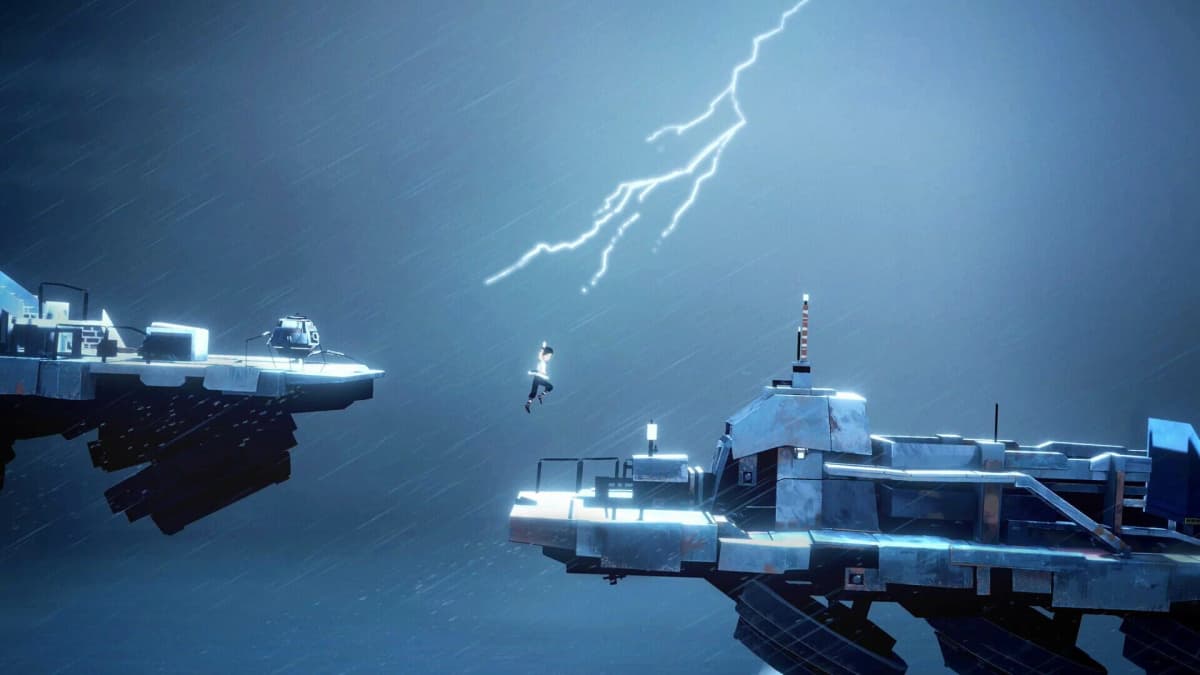
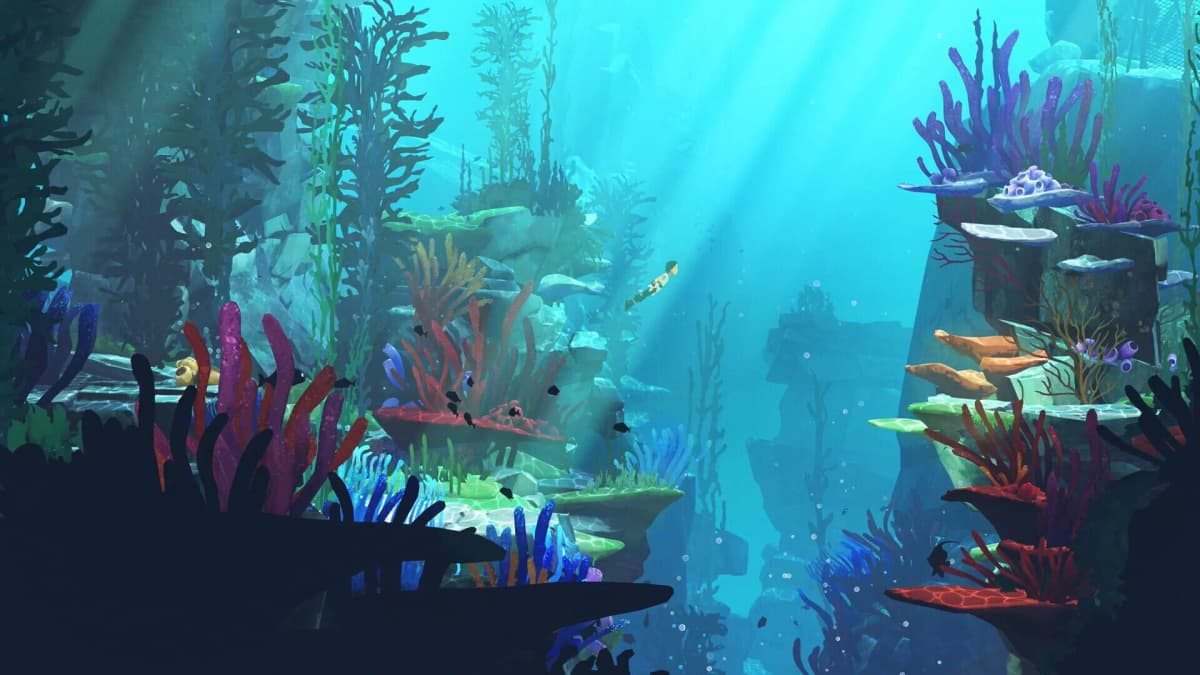
The headline from Wishfully is scale. Developers told XboxEra and GamesPress that Planet of Lana II almost doubles the first game’s size, opens new biomes on Novo, and introduces abilities that make companion puzzles more collaborative and physics-reliant. That’s the sensible path for an indie sequel: expand the toys and environments so puzzles can feel fresh without rebuilding the core loop.
But the uncomfortable observation is this: adding action, stealth, and higher traversal fidelity changes the game’s rhythm. The original traded on quiet, cinematic pacing — that’s the hook for players who loved its Studio‑Ghibli-adjacent sensibility. When you introduce combat or stealth timing windows, you risk kicking players out of that meditative frame. The team says the design is iterative and demo-driven (XboxEra), which helps — but the proof will be in how these new sequences feel across the game’s 6-8 hour run.
This launch is engineered to get people in the door
Wishfully and Thunderful are doing everything a small-publisher playbook recommends. The game is available on PC, PS5/4, Xbox Series/Xbox One, Switch and Switch 2, and appears day one on Game Pass (Gematsu). Demos are live now on PC, PlayStation and Xbox, with Switch demos arriving at release (GamesPress). The Supporter Pack on PC/PS5 bundles an art book and language guide — small, non-invasive DLC that targets fans without gating core content.
That distribution strategy lowers friction: players can sample the game before buying, and Game Pass gives instant access to a broad audience that might not otherwise take a $20 punt. The trade-off, of course, is revenue mechanics. Day‑one Game Pass exposure grows reach but complicates unit-sales reporting and long-term income for a small studio. That’s the question I’d ask Wishfully directly: how does the Xbox/Thunderful deal structure preserve revenue for future work?

The question nobody’s asking — will scale dilute the voice?
Planet of Lana succeeded because its visuals, mute storytelling, and tight companion puzzles were a coherent package. The sequel doubles the map, layers in orchestral scoring recorded in Budapest (GamesPress), and invites players to do more — stealth, timing, physics. That’s exciting. It’s also easy to drift from a carefully tuned indie mood into the generic “larger adventure” territory. The real test: whether Lana and Mui’s relationship remains the engine that makes puzzles feel meaningful, not just mechanically interesting.
What to watch
- First-week player sentiment on Steam/Metacritic and Game Pass playtime numbers — are players finishing the 6-8 hour arc?
- Performance and battery/playability reports on Switch and Switch 2 — the visual ambition could be hardware-sensitive.
- Patch notes for balancing action/stealth segments — look for difficulty adjustments or opt-out options if pacing complaints surface.
- Supporter Pack uptake on PC/PS5 — early sales will show whether low-cost DLC can meaningfully top up indie revenues post-Game Pass.
If you’re short on time: try a demo. If you loved the original’s mood, watch reaction to the new, edgier beats before buying — but at $19.99 and a Game Pass listing, there’s little downside to jumping in early.
TL;DR
Planet of Lana II expands the first game’s companion‑puzzle design with bigger levels, physics-based challenges, and new action/stealth moments. The release is broad and low-friction — demos on all platforms and day-one on Game Pass — which should drive player numbers. The immediate watch: whether the larger scope keeps the original’s gentle tone or simply makes it a louder, more conventional adventure.
FinalBoss // Gear
Level up your setup
01Best-selling Xbox Series X|S gameson Amazon→02Xbox controllerson Amazon→03Top-rated gaming headsetson Amazon→04Discounted game keyson Kinguin→Affiliate links · As an Amazon Associate, FinalBoss earns from qualifying purchases.
Want to Level Up Your Gaming?
Get access to exclusive strategies, hidden tips, and pro-level insights that we don't share publicly.
Ultimate Gaming Strategy Guide + Weekly Pro Tips