
Planet of Lana II grows bigger, faster, and riskier — here’s the real story from ID@Xbox
Game intel
Planet of Lana II: Children of the Leaf
Embark on an unforgettable cinematic puzzle journey with Lana and her loyal companion Mui. Whether you're a returning hero or a new adventurer, step into a wor…
Planet of Lana II Is Getting Bigger and Faster – Can It Keep Its Soul?
Wishfully Studios used the ID@Xbox Showcase to drop a developer commentary for Planet of Lana II: Children of the Leaf, and it pushed all the right buttons: more precise companion commands, stealth that looks less trial-and-error, and movement that finally lets Lana wall jump and run-slide like she means it. As someone who finished the first game in a weekend and loved its painterly calm, this caught my attention because the sequel isn’t just “more of the same.” It’s doubling the length, deepening the sci‑fi, and leaning harder into action and systems. That’s exciting – and a little risky.
Key Takeaways
- Double the length and scope is great news if puzzle variety keeps pace – padding will kill the vibe.
- Companion commands for Mui look sharper, which could fix the first game’s occasional fiddliness.
- New agility (wall jumps, slides) hints at punchier set pieces; the controls need to feel tighter to match.
- Takeshi Furukawa’s return should elevate the emotional beats — the first game’s score did heavy lifting.
Breaking Down the Announcement
Game directors Adam Stjärnljus and Klas Martin Eriksson walked through new abilities and puzzle setups built around Lana and her cat-like companion Mui. The headline shift is “evolved companion gameplay”: you can guide Mui with more precision, which matters when you’re hypnotizing massive fauna, baiting patrol routes, or co-opting “hybrid robots” to solve multi-step puzzles. The stealth demo leaned on smarter pathing and clearer tells rather than “guess wrong, reload” loops — one of my few gripes with the original.
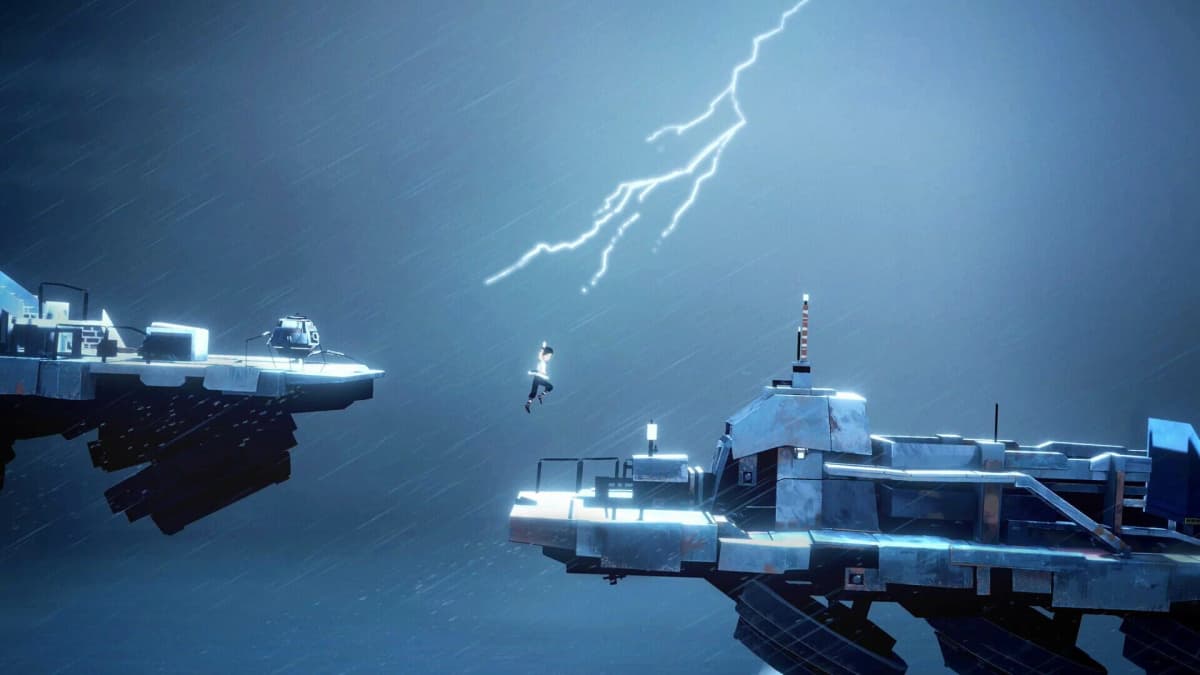
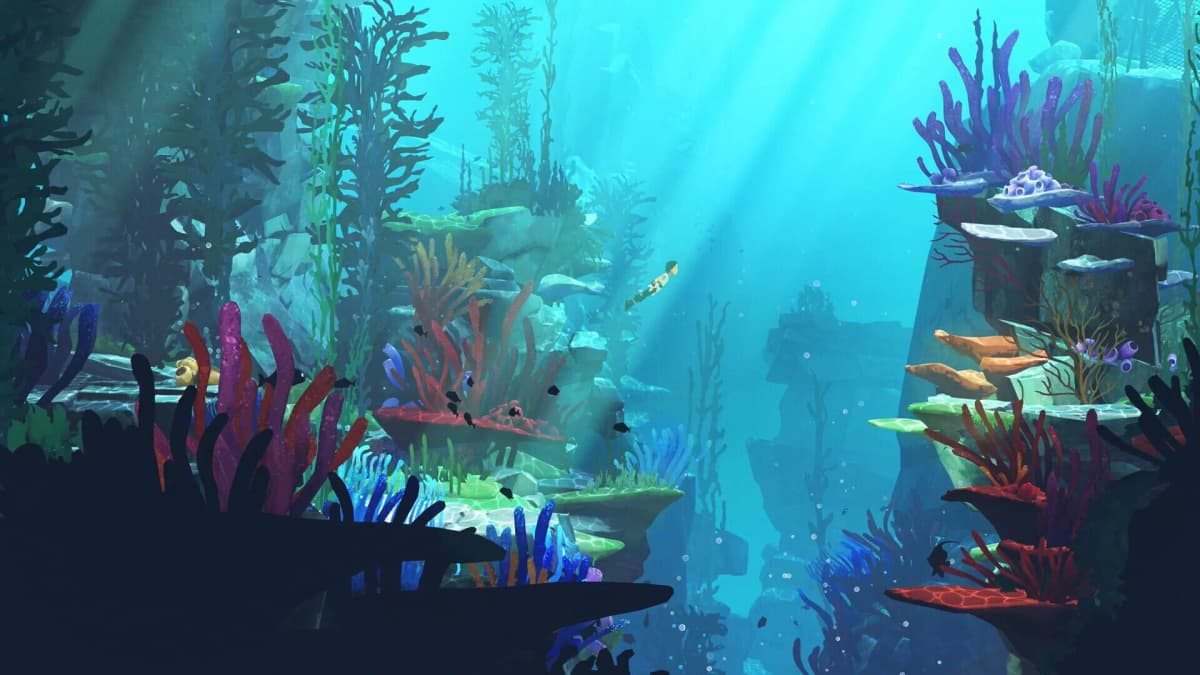
On the movement side, Lana now has wall jumps, run-slides, and generally faster traversal. That suggests more dynamic escape sequences and vertical puzzle layouts rather than the mostly horizontal gauntlets of the first game. Underwater chapters are new, too — gorgeous, sure, but water levels are historically a pacing landmine. If Wishfully nails buoyancy and readability, this could open up great silhouette puzzles; if not, we’re in slow-slog territory.
Why This Matters Now
Cinematic puzzle platformers live or die on rhythm. Think Inside’s immaculate escalation or how Little Nightmares II widened scope without losing dread. Planet of Lana carved its own lane with Ghibli-adjacent art and a gentler pace, mixing light stealth with creature manipulation. A sequel doubling the run time will test puzzle density, environmental variety, and mechanical escalation. If Wishfully simply stretches the same verbs, the charm thins. If they fold in those robots, underwater logic, and more expressive Mui commands in a steady cadence, the extra hours could sing.
The studio’s track record gives me cautious optimism. The first game was confident about when to be quiet, and that restraint is rare. The challenge is reconciling that meditative tone with a faster, more athletic Lana. You can’t bolt Prince of Persia moves onto a character built for careful footing without tightening inputs and hitboxes. The commentary implies they know this — the animations looked snappier, and set pieces were framed with clean silhouettes — but we’ll need hands-on to be sure.
The Bond Has to Carry the Game
Planet of Lana works because Lana and Mui feel like a team. The sequel leans into that with “enhanced precision” commands — the kind of small UX upgrade that pays off across every puzzle. The promise to “still pet Mui” is a cute aside, but the real win is if the companion logic consistently understands intentions: send Mui across safe surfaces, sync a switch flip with a mantle, pop a distraction at the right beat. If those micro-moments are frictionless, the bigger set pieces will land.

Composer Takeshi Furukawa returning is a big deal, too. His work (yes, the same talent behind The Last Guardian) gave the first game emotional spine. With “Children of the Leaf” teasing deeper planet lore and encroaching shadows, the score will be doing a lot of subtext heavy lifting. My hope: the narrative remains environmental first, text second. Let the ruins and wildlife tell the story; keep exposition terminals to a minimum.
What We Still Don’t Know
Platforms and release timing weren’t spelled out in the commentary, and that matters for a game that found an audience by being accessible at launch. Performance targets on lower-spec hardware, accessibility options (color contrast, puzzle hints, input remapping), and difficulty tuning are big question marks. Also: “double the length” begs the pricing question. If the sequel sticks the landing, none of this will matter; if it wobbles, these details get scrutinized fast.
My Read After the Showcase
I’m genuinely excited to see Lana move with more confidence and Mui feel more responsive. The new robot manipulation puzzles and cleaner stealth are the right kind of evolution. But the game’s identity hinges on pace and clarity. Keep the gentle exploration, layer in sharper mechanics, and resist bloating the back third with repetitive obstacle courses. Do that, and doubling the length looks like a gift, not a grind.
TL;DR
Planet of Lana II aims bigger: tighter companion commands, faster movement, tougher puzzles, deeper sci‑fi, and Furukawa back on the score. If Wishfully balances the new speed with the series’ quiet heart — and avoids padding — this could be one of next year’s standout cinematic adventures. I’m in, but I’m watching pacing and feel like a hawk.