
Table of Contents (10)
Why This Caught My Attention
I love a good open world, but lately I’ve been fast-traveling through most of them. That’s why Cameron Williams’ GDC 2025 talk hit home. The former GTA VI and Red Dead Redemption II developer framed a problem we all sense but rarely call out: open worlds have become “icon soup,” chore lists masquerading as adventures. Williams—translated from French—put it simply: “Players don’t like exploring from scratch.” It’s not that exploration is bad. It’s that we’ve stripped away the mystery and replaced it with waypoints.
Key Takeaways
- Exploration fatigue is real: too many icons, too many collectibles, not enough meaning.
- Denser, integrated worlds beat bigger ones when story and systems align.
- “Beeliners” aren’t playing wrong; they’re reacting to years of hollow side content.
- Design should default to curiosity-driven discovery, not map-marked errands.
Breaking Down the GDC Warning
Williams didn’t argue to “kill open worlds.” He urged us to “stop filling them with noise.” He referenced a classic 2000 study on choice overload—customers buy jam more often when faced with six jars instead of 24. Yet games keep offering us 24 jars: towers, question marks, resource nodes, five currencies for one upgrade. Overwhelmed, most players fast-travel past or stick to the main quest. That confusion isn’t on them; it’s on designers confusing surface area for substance.
He also coined “exploration anxiety”—that paralysis when the map erupts into confetti after a tutorial. If GTA VI’s map is truly colossal, the risk isn’t scale; it’s turning obligation into tedium. Rockstar at its best makes wandering irresistible with ambient encounters, overheard arguments, and emergent systems. Scale should amplify density, not bury it under waypoint spam.
Industry Context: The Open-World Burnout Era
We’ve seen the burnout coming. Ubisoft’s tower-and-checklist formula peaked in Assassin’s Creed Valhalla, prompting player revolt. Mirage tightened its focus and fans cheered. Sony’s first-party pivot to hub-like structures—God of War, Spider-Man—kept optional content near the mainline beats. Hogwarts Legacy and the latest Far Cry followed the trope: more icons doesn’t equal more adventure.
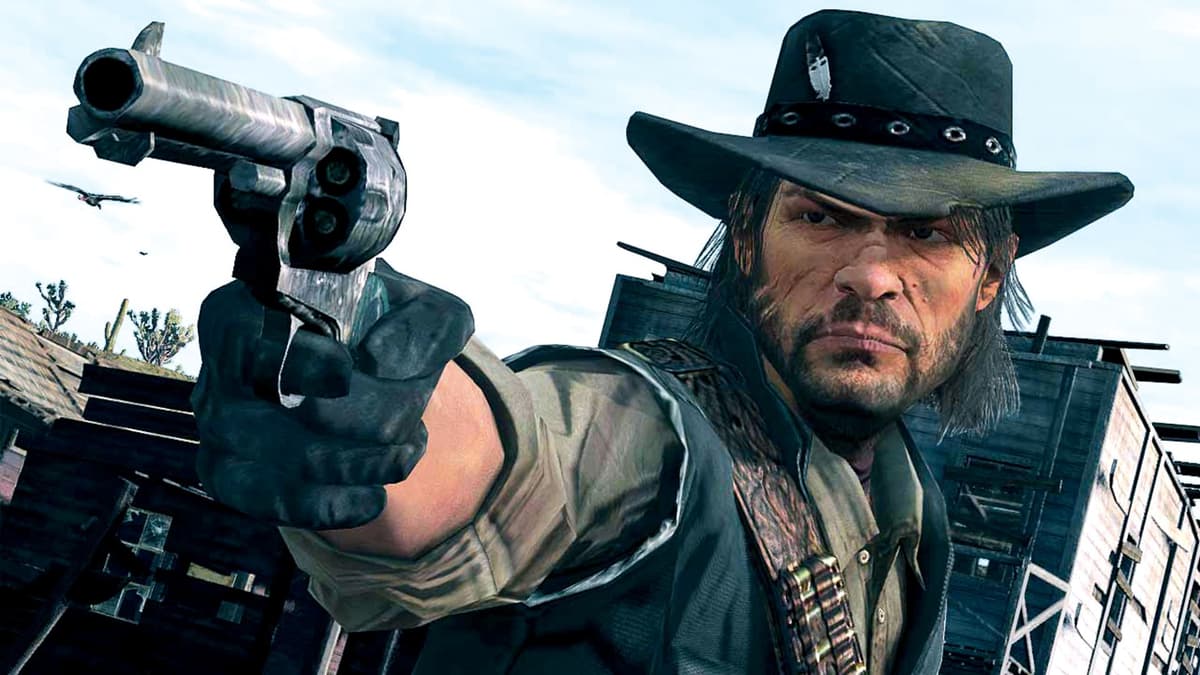
Counterexamples shine. Elden Ring launches you naked to the wild with a minimal HUD, trusting curiosity. The Legend of Zelda: Breath of the Wild and Tears of the Kingdom hide secrets in geography and physics, not in a to-do list. Ghost of Tsushima’s guiding wind turns navigation into a vibe, not a minimap stare. The Witcher 3 made side quests feel like true stories, not chores. When mystery is rewarded and friction is meaningful, players explore. When exploration is a spreadsheet, they sprint past.
Case Studies: When Exploration Feels Right
- Red Dead Redemption 2: Fishing Beyond the Pontoon
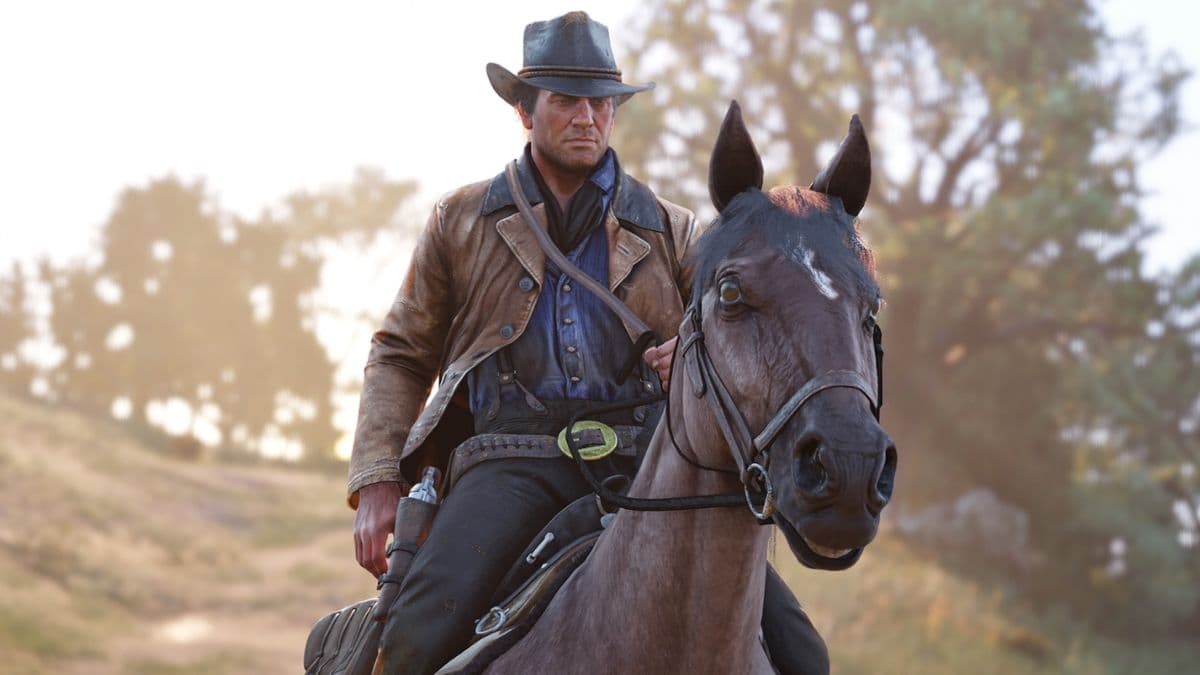
Williams highlighted RDR2’s fishing as a masterclass. Introduced organically through the main story, it’s layered by NPC chatter—campmates gossip about a legendary trout—and tied to survival systems. Catching fish isn’t just a mini-game; it fills Arthur’s nutrition meter, unlocks a cooking recipe, and triggers camp banter. That strand connects narrative, mechanics, and world, turning a simple pastime into a memorable side journey. - Elden Ring: Echoes in the Fog
Bandit Camps, hidden dungeons, and NPC questlines bloom from a rumor or a faint glimmer on the horizon. There’s no “X marks the spot” icon: players piece together clues from overheard dialogue or cryptic map fragments. Discovering a secret ruin feels earned, and every fog-shrouded ruin promises both reward and risk. The result is exploration that feels like detective work, not errands. - Breath of the Wild: Shrines Hidden in Plain Sight
Shrines in BotW are sculpted as environmental puzzles. A river ledge here, a beam of light there—no icons until you earn the Sheikah Slate’s pin. Investigating odd rock formations or wind currents reveals tiny test chambers that teach new runes. Rewarding these micro-trips with narrative snippets, new abilities, and a sense of discovery shows how minimal UI and hidden rewards ignite wonder.
What Good Looks Like (And We’ve Seen It)
Williams’ rule of thumb: side activities should echo the world’s themes, characters, and systems—not exist to justify a bullet point on the box. Here are clear design moves that work:
- Diegetic navigation over HUD clutter: guiding wind, landmark-based wayfinding, audible cues.
- Progressive disclosure: reveal icons only after a rumor, encounter, or map fragment earns them.
- Systems-first content: side activities that interact with economy, AI schedules, and weather.
- Short, meaningful arcs: 10–20 minute side stories with consequences, not 50 repeated outposts.
- Rewards that shift play: new tools, perks, or narrative states—not just +2% damage trinkets.
Our modern lives leave less free time than the PS2 era. Massive backlogs and endless subscriptions mean the “one more icon” dopamine hit wears off fast. Respecting player time isn’t just marketing; it’s a design pillar. If an activity doesn’t deepen the world or a build, cut it.
The Gamer’s Perspective: Beeliners Aren’t the Enemy
Williams coined “beeliners”—players who sprint from A to B and ignore everything else. I don’t blame them. Years of copy-paste quests taught that deviation wastes time. The fix isn’t shaming players; it’s earning their detours. Put new mechanics on the critical path early, use story hooks to seed optional threads, and let NPC gossip, environmental oddities, or dynamic events pull you off the road. Nail the first two side quests, and you convert a beeliner into a rambler.
Looking Ahead: GTA VI and Beyond
Rockstar’s sandbox magic has always been in density—pedestrians with routines, emergent chaos, conversations worth eavesdropping. If GTA VI goes bigger, the win is a world that stays legible and tempting without a UI nanny. Default to a clean HUD. Let rumors, radio chatter, and visual landmarks guide discovery. Save mass markers for a “completionist” toggle, not the baseline experience.
Williams now works at Absurd Ventures, leaning on worldbuilding across media. The subtext of his GDC talk: stop padding runtimes with hollow errands. Build places worth inhabiting, not maps to vacuum. If the industry listens, we can keep scale and ditch the grind.
Actionable Takeaways for Designers
- Embed side activities in core loops: introduce them through story, not tutorials.
- Reward curiosity with tangible payoffs—new abilities, story threads, system interactions.
- Use environmental storytelling—landmarks, ambient dialogue, dynamic events—to guide players.
- Limit initial choices: reveal new icons only after players seek them out.
- Test for “exploration anxiety”: watch if players freeze at a full map and iterate accordingly.
For more on curiosity-driven open worlds, watch Cameron Williams’ GDC 2025 session, “Exploration by Design,” available in the GDC Vault.
TL;DR
Exploration fatigue is a design failure, not a player flaw. Denser, story-anchored activities and curiosity-led navigation can make open worlds feel magical again. If GTA VI and its peers embrace that, we’ll stop fast-traveling past the good stuff—and start getting lost on purpose.
FinalBoss // Gear
Level up your setup
01Top-rated gaming headsetson Amazon→02High-refresh gaming monitorson Amazon→03Gaming chairson Amazon→04Discounted game keyson Kinguin→Affiliate links · As an Amazon Associate, FinalBoss earns from qualifying purchases.
Want to Level Up Your Gaming?
Get access to exclusive strategies, hidden tips, and pro-level insights that we don't share publicly.
Ultimate Gaming Strategy Guide + Weekly Pro Tips