
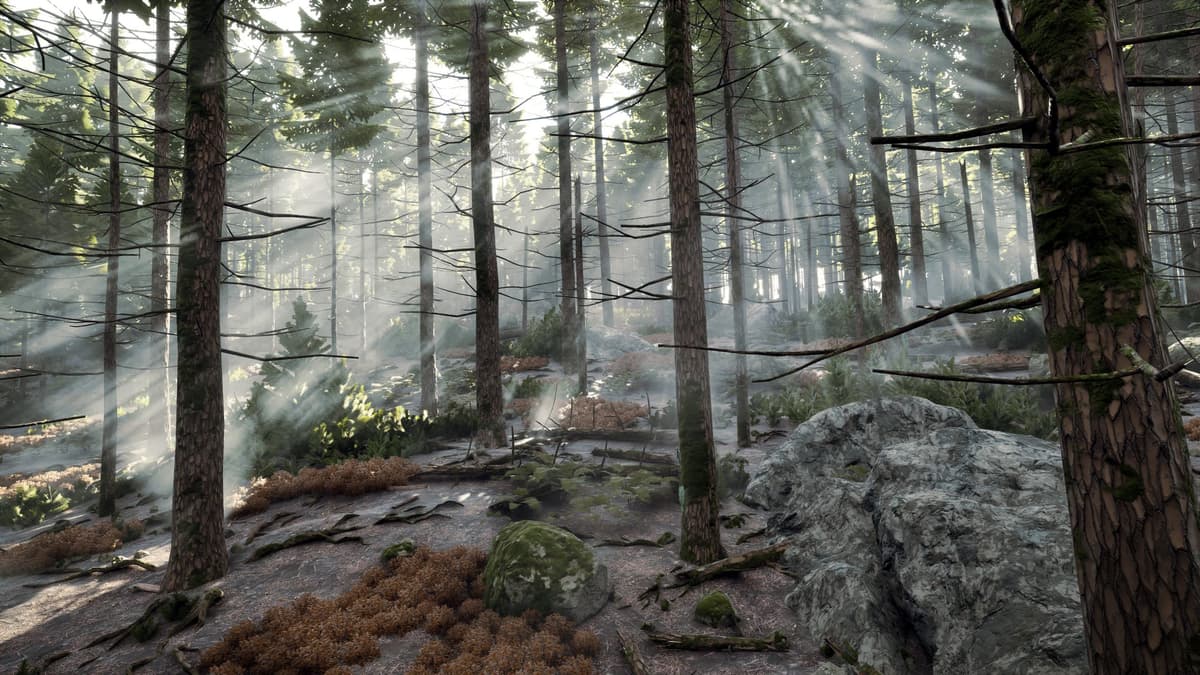
PlayerUnknown just launched a solo survival game with AI-made worlds
Game intel
Prologue: Go Wayback!
Prologue: Go Wayback! is a single-player open-world emergent survival roguelike where every journey is unique. Traverse a new wilderness that is generated for…
Why this actually matters for survival fans
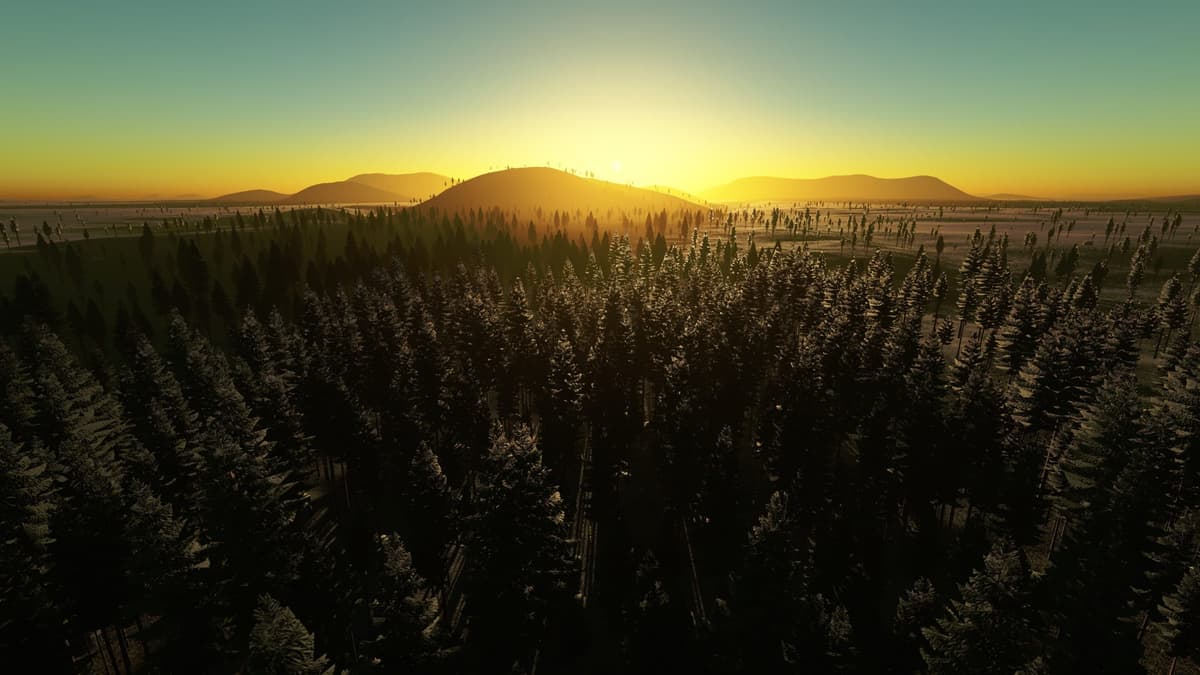
Prologue: Go Wayback! just dropped into Early Access on Steam and Epic for $19.99/€19.99, and it’s not what you might expect from the creator of PUBG. This is a purely single-player, run-based open-world survival game built around massive, machine-learning-generated 64 km² maps, realistic navigation, and zero quest markers. The big hook is player freedom-plus a built-in map editor that lets you draw (or import an image) to generate a custom world. That combo immediately caught my attention because it’s the first real, playable taste of Brendan “PlayerUnknown” Greene’s long-teased tech ambitions.
Key takeaways
- Single-player, run-based survival with huge, ML-generated 64 km² maps and dynamic weather; objective mode points you to a distant Weather Tower.
- Three modes at launch: default “Go Wayback!”, endurance-focused “Objective: Survive,” and a chill “Free Roam” where the only death risk is gravity.
- Custom game settings let you tune weather, time of day, and survival intensity-great for streamers and self-imposed challenges.
- Built-in Map Editor can generate a world from your drawings or imported images-big potential for community creativity if sharing tools are robust.
Breaking down the announcement (and the hype)
The pitch here is “emergent survival, no hand-holding.” You’ll keep warm, find food and drinkable water, navigate by compass and landmarks, and hoof it from shelter to shelter through storms that roll in fast. That list reads like a love letter to anyone who adored The Long Dark’s harsher runs and meditative navigation, but wanted bigger spaces and more replayable terrain.
The tech angle is the flashy bit: the studio says it’s fusing hand-made art with an in-house machine-learning model (trained on open terrain data) to spit out natural-looking base maps, then layering in procedural rivers, cliffs, trees, and shelters inside Unreal Engine 5. That’s legitimately interesting—the survival genre has leaned on either handcrafted maps or samey noise-generated worlds for years. Still, “ML-generated” doesn’t automatically equal “fun.” Survival lives and dies on encounter density, resource placement, traversal friction, and moments of surprise. If the world is pretty but empty—or if every run funnels into the same beats—the novelty wears off fast.
There’s also the run-based question: what persists? The studio hasn’t shouted about meta-progression, unlocks, or long-term goals beyond reaching the Weather Tower. That could be a deliberate choice to keep it pure and skill-driven. Or it could make runs feel disposable if there’s not enough variety and “one more go” momentum. I’m hoping the roadmap (which mentions deeper survival systems, more weather types, and richer environments) adds meaningful layers without bloating the simplicity that makes this core idea appealing.
Why now? The Artemis-sized elephant in the room
Greene left PUBG behind to chase Project Artemis: a massive-scale platform for emergent play. Prologue is positioned as the first of three stepping-stone games—proof that the team’s tech (including their in-house Melba engine and the public-facing tech demo, Preface) can produce realistic, huge terrains that regular hardware can actually run. That context matters. Prologue is a standalone game, but it’s also a public R&D sprint. If it feels a bit “tech-first,” that’s by design.
There’s nothing wrong with that, as long as players get value out of the Early Access ride. $19.99 is a fair ask for a solo survival sandbox with real replayability, especially if the map editor delivers. But I’ll be blunt: survival fans have been burned by gorgeous empty worlds before. The team’s willingness to open up settings, ship multiple modes, and build an editor into v1 of Early Access suggests they know community tinkering is part of the magic—and part of how you discover what systems actually sing.
Want to Level Up Your Gaming?
Get access to exclusive strategies, hidden tips, and pro-level insights that we don't share publicly.
Ultimate Gaming Strategy Guide + Weekly Pro Tips
What gamers need to know before buying
Moment-to-moment, expect navigation and resource management, not combat. In Free Roam, the only way to die is by falling, which implies this isn’t trying to be DayZ or Rust. That’ll disappoint anyone chasing PvP stories, but it’s refreshing to see a survival game commit to solitude and environmental danger. The custom sliders are a big deal—dial up the cold and storms for a punishing trek, or ease off if you just want to hike and vibe.
The Map Editor is the sleeper feature. If importing an image to seed a world works as advertised, the community will absolutely turn memes, logos, and hand-sketched routes into navigable terrain. The question is shareability: will there be easy seed codes or built-in browsing to surface the best player-made maps? If they nail that, you’ve got a near-infinite playlist for streamers and survival fiends.

What’s missing or unclear today? The press materials don’t talk about wildlife threats, crafting depth, or base building. That doesn’t mean they’re absent, but it does put emphasis on travel, weather, and wayfinding. I’m okay with that—The Long Dark proved you can build tension from exposure and scarcity alone—but the game will need micro-goals and environmental storytelling so reaching the Weather Tower doesn’t feel like the same slog every time.
What I want to see in Early Access
- Meta-progression that respects the “pure survival” vibe: unlockable starting kits, map knowledge, or cosmetic camp upgrades—nothing grindy.
- Shareable maps and discovery tools: seed codes, curated playlists, and editor improvements so the best community worlds rise to the top.
- Systemic depth over bloat: injuries, shelter management, and smart resource placement so each detour tells a story.
- Accessibility and QoL: robust keybinds, colorblind-friendly navigation cues, and clean save/quit options for long treks.
TL;DR
Prologue: Go Wayback! is a bold swing: a solo, run-based survival hike across ML-generated 64 km² worlds, with flexible modes and a surprisingly powerful map editor. The tech is intriguing and the price is fair—but the real test is whether the survival loop evolves beyond “cool terrain generator” into something players return to for months. If you love navigation-first survival, jump in; if you want scripted stories or combat, keep an eye on the roadmap.