

PlayerUnknown’s new game just launched—no mini‑map, no markers, just you vs. a 64km² storm
Game intel
Prologue
Overshadowed by the exploits of his famous sibling, Reemus the insect exterminator and his sidekick, Liam the purple bear set out on a journey to create a lega…
No hand-holding: Prologue drops you in, takes away the HUD, and dares you to find your way out
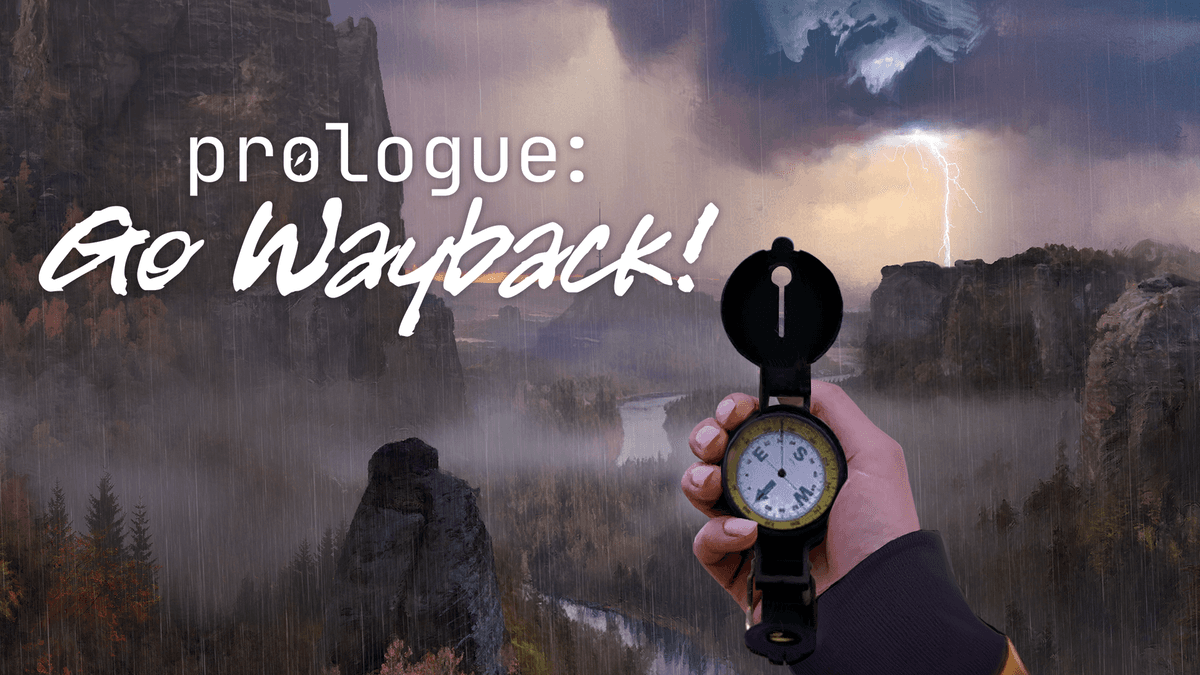
Prologue, the debut from Brendan “PlayerUnknown” Greene’s studio, just hit early access on Steam and the Epic Games Store-and it’s not chasing the usual survival-game dopamine. No base-building, no PvP, no quest breadcrumbs. Instead, you get a procedurally generated 64 km² wilderness, a compass and a paper map, and a single instruction: reach the weather station tower blinking somewhere on the horizon before nature kills you. It’s beautiful, it’s punishing, and it’s exactly the kind of stubborn design choice that caught my attention.
- Every run spawns a fresh 64 km² map with cabins and a single weather station to reach-no mini-map, no markers.
- Survival is navigation-first: read terrain, manage thirst/hunger/temperature, and outsmart brutal dynamic weather.
- Early access adds modes: an endless survival challenge, a chill Free Roam, and deep custom difficulty settings.
- A map editor lets you import designs that the procedural system turns into actual landscapes.
Breaking down what you actually do
Each run begins in a randomly placed cabin. Somewhere in that 8×8 km sprawl (PUBG veterans will clock that scale immediately), there’s one weather station-marked only by a tower with a red blinking light if you manage to line up sightlines in the fog, snow, or drizzle. You navigate by compass and a physical map, relying on ridgelines, rivers, and tree lines the way real orienteers do. The game doesn’t care if you wander into a swamp, misjudge daylight, or head into a wind chill you’re not equipped for; it just simulates weather fronts rolling in, and you either adapt or freeze.
You’re juggling the basics: thirst, hunger, and body temperature. Scavenge smart, travel light, and know when to hunker down near a fire in a cabin before a blizzard hits. Importantly, Prologue wipes the slate every time. A new world, a reset inventory, no muscle-memorized routes. That reset loop is the point: it’s less about building a base and more about building a brain for the wild.
Why this matters now
Greene already rewired multiplayer with PUBG, and it’s telling that his comeback opts for restraint over spectacle. The survival genre today is crowded with meters, crafting trees, and “live service-y” progression. Prologue strips that back to something closer to The Long Dark’s introspective brutality—only here, the landscape regenerates every run and the navigation puzzle is the star. If you’ve ever turned off HUD shaders in a sandbox to make it feel dangerous again, Prologue builds an entire game out of that feeling.
It also shows where Greene’s tech ambitions are pointed: huge procedural spaces that feel believable, not just big. The 64 km² size isn’t new on paper, but stitching together terrain, weather, and navigation cues so they create readable, fair challenges is hard. If this tech holds up across thousands of seeds, we could be looking at a sandbox that stays fresh without daily content drops.
Modes and difficulty: finally, some dials to turn
Early access lands with three important additions. “Objective: Survive” removes the weather tower win condition and becomes a pure endurance test—how long can you hold out against the elements? On the other end, “Free Roam” lets you wander without pressure, which is perfect for learning the tools, mapping how different biomes flow, or just soaking in some genuinely stunning vistas.
The best feature for most players will be custom settings. You can dial down weather severity and survival penalties to learn the ropes or crank things into “endless night blizzard” territory if you’re the type who studies isobars for fun. This matters because navigation-heavy games live or die by readability; tuning the storm cadence until it “clicks” for you will keep a lot of curious players from bouncing off on day one.
Tech and tools: the map editor could be the sleeper hit
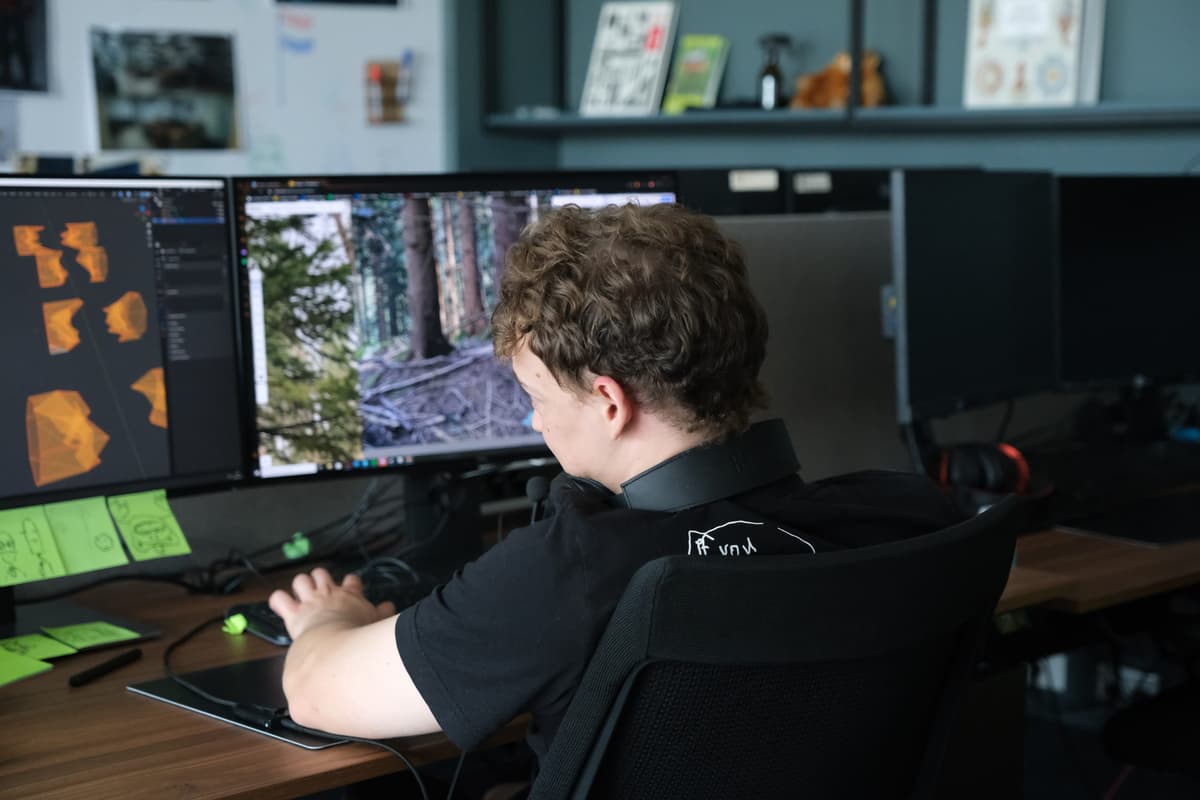
There’s a map editor shipping with early access that lets you bring in your own designs for the procedural system to interpret into real terrain. If that sounds like magic, the practical win is this: creators sketch an idea, and Prologue’s generator does the heavy lifting to produce a playable landscape with proper features. For longevity, this is huge—if the studio supports sharing, seeding, and discoverability, we could see an orienteering community swap nasty ridge runs, frozen river crossings, and “this valley will kill you” challenges the way speedrunners exchange routes.
Caveat: editor tools only matter if they’re documented, stable, and not locked behind arcane pipelines. We’ve all seen “mod support” promised and forgotten; if PlayerUnknown Productions wants Prologue to live beyond the roadmap, supporting creators is the lever.
Red flags, big questions, and the roadmap
This is early access, so temper expectations. Performance on sprawling procedural worlds can get spicy, and weather simulation isn’t cheap. I’m also watching for meta-progression. A pure “find the tower” loop risks feeling samey without new tools, biomes, or curveball systems to test what you’ve learned. The studio’s roadmap does tease more cooking options, waterways that freeze during extreme cold snaps, and Steam Deck support—good signs that they’re iterating on both survival depth and accessibility. But clarity on long-term goals (persistent unlocks, seed sharing, challenge variants) would go a long way.
Most importantly: know what you’re buying into. If you want raids, elaborate crafting trees, or PvP drama, Prologue isn’t that. If you love the quiet terror of being one valley off-course while the temperature plummets, it might be your new obsession.
FinalBoss // Gear
Level up your setup
01Top-rated gaming headsetson Amazon→02High-refresh gaming monitorson Amazon→03Gaming chairson Amazon→04Discounted game keyson Kinguin→Affiliate links · As an Amazon Associate, FinalBoss earns from qualifying purchases.
What gamers need to know before jumping in
Prologue’s early access build adds the right levers—difficulty sliders, a no-pressure exploration mode, and an endurance challenge—without losing the thesis: get lost, get smart, get out. The map editor hints at a future where the community is as much the content pipeline as the studio. Greene’s back, doing something deceptively simple and incredibly hard: making a giant wilderness that feels indifferent and alive, then asking you to survive it with nothing but your wits and a compass.
TL;DR
Prologue is a gorgeous, uncompromising survival sandbox about navigation and weather, not crafting and killfeeds. Early access adds modes, custom difficulty, and a promising map editor. It’s equal parts meditative and merciless—go in for the journey, not the checklist.