

Sony’s advertising ambitions deserve hostility until the company proves that PlayStation will remain a player-controlled platform instead of a premium storefront built to funnel eyeballs toward brands.
The argument that this is merely “extra exposure” is bullshit. Exposure is what a publisher gets when its game appears on a store shelf. Advertising is what happens when a platform holder sells space inside the menus, services, searches, and games that players already paid to access. Those are completely different relationships, and Sony knows it.
WipEout HD already supplied the warning label. Sony placed commercials in the racer during its original PlayStation run, and removed them after players pushed back. That episode matters because WipEout HD was built around speed, precision, style, and a tightly controlled futuristic atmosphere. A commercial shoved into that experience felt like a foreign object. Players did not see a clever revenue stream. They saw a premium game being cheapened after the sale.
Now Sony appears to be building a more formal PlayStation advertising operation around PlayStation Media Solutions, with roles tied to global ad strategy, client partnerships, delivery systems, targeting, and so-called privacy-friendly data activation. The worrying part is the focus on non-gaming brands and broader platform inventory. That points far beyond a publisher promoting its own downloadable content in a menu.
The fight ahead is about who controls the PlayStation experience: the person holding the controller, or the company selling access to that person’s attention.
Table of Contents (6)
WipEout HD Shows Why “Tasteful” Ads Still Fail
People often defend advertising by imagining the least offensive version of it: a static billboard, an optional promotion, a sponsored event that stays out of the way. Fine. That is not the version players should expect once a platform begins treating its interface as ad inventory.
Advertising expands because every successful placement teaches the company that the surface can be sold. A quiet promotional tile becomes a larger tile. A larger tile becomes a rotating carousel. The carousel becomes a search result that looks suspiciously like a recommendation. Then the whole interface starts making decisions for the player before the player has made one for themselves.
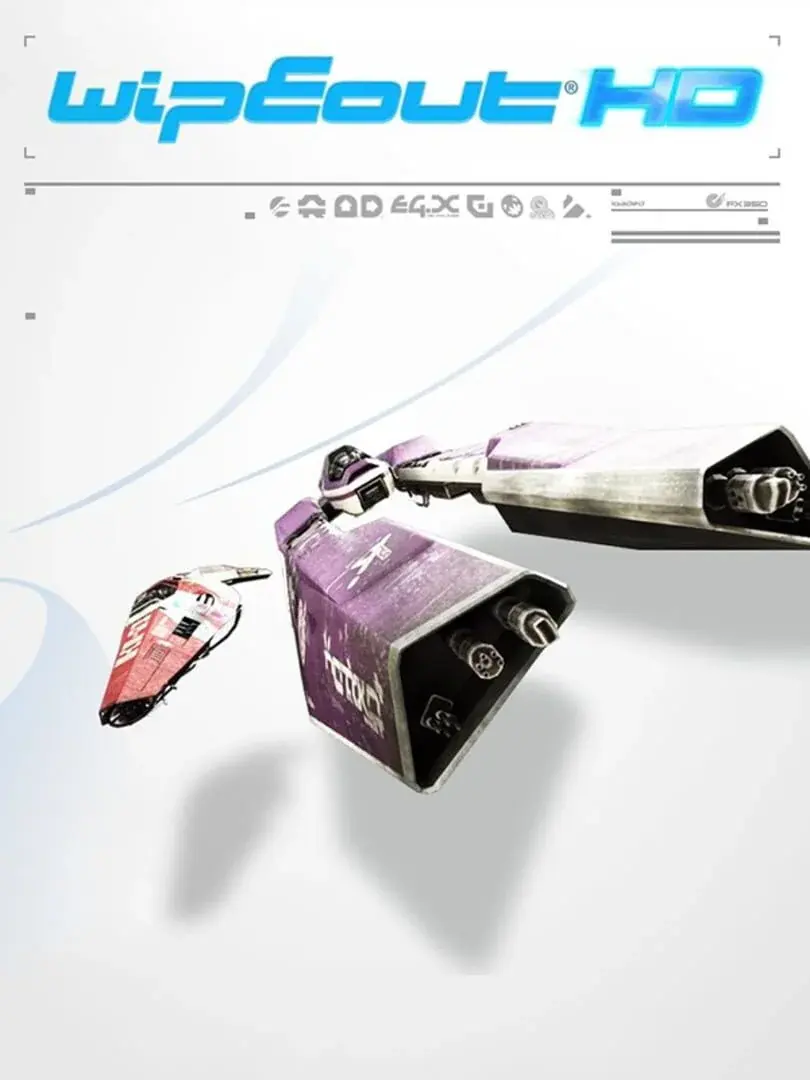
That is why WipEout HD remains useful as more than an old controversy. The game demonstrated a simple truth: visual integration does not equal player acceptance. A sponsor can match the colors, the world, and the branding, yet still poison the experience because the player recognizes what is happening. Something they paid for has become a delivery mechanism for someone else’s marketing budget.
I use a console dashboard to reach my library, downloads, settings, and the game I intended to play. I do not open it hoping an advertiser has improved my evening. Sony needs to understand that this expectation is part of what makes a paid console interface valuable in the first place.
The Most Intrusive PlayStation Ad Placements
Not every placement would cause equal damage. The real problem starts when ads occupy spaces players treat as functional tools or trusted discovery systems. These are the surfaces where Sony can quietly erode control while insisting it has only added another promotional option.
| PlayStation surface | Why it creates a trust problem | Minimum player protection |
|---|---|---|
| Home screen and system UI | It intercepts players before they choose a game, app, or service. A paid promotion placed in core navigation becomes part of the default console experience. | Clear labels, a real opt-out, and zero autoplay audio or full-screen interruptions. |
| PlayStation Store search and recommendations | Store discovery depends on trust. Sponsored listings can crowd out organic results, smaller releases, and older games while pretending to be relevant recommendations. | A hard distinction between sponsored and organic results, plus sorting tools that restore a non-sponsored view. |
| PS Plus pages and member carousels | Subscribers already pay for access and benefits. Third-party promotions inside that space turn a service page into an ad channel. | A strict separation between membership value, claimed games, service information, and paid brand placements. |
| Paid single-player games | Ads inserted after purchase alter the product the customer believed they were buying. WipEout HD showed how quickly that feels like degradation. | Explicit opt-in only, with no gameplay interruption, no forced viewing, and no retroactive ad insertion. |
The Store Is Where Sony Can Do the Most Quiet Damage
Home-screen ads will draw the loudest backlash because everyone can see them. Store advertising may be more dangerous because it can hide behind the language of discovery. A “recommended for you” shelf carries authority. It implies that the platform has looked at your interests and found something worth your time.
That promise collapses the second a paid placement sits beside an organic recommendation without an unmistakable label. Players cannot judge whether a game surfaced because it fits their history, because it is popular, because it is discounted, or because somebody purchased the slot. Sony would be selling confusion as convenience.
And yes, even prominently labeled sponsored placements can warp a store. Every paid tile consumes room that could have gone to a smaller game, a niche genre, an older release, or a genuinely relevant recommendation. A digital storefront already has finite attention. Selling more of that attention means someone else gets buried.
That is where the “ads help discovery” defense falls apart. Discovery works when the player can trust that the system is trying to help them find something they may enjoy. Advertising works when the system is trying to fulfill an advertiser’s goal. Sony can host both, but it has to stop pretending they are interchangeable.
PS Plus Should Never Become a Sponsored Waiting Room
PS Plus is an especially sensitive line. People pay for it because they expect a library, online features, cloud functionality, discounts, and a clear picture of what their membership provides. Those pages should answer one basic question: what does my subscription give me right now?
Once paid brand campaigns enter that equation, the page becomes less useful. A member carousel stuffed with promotions competes with claimed games, monthly additions, discounts, and service information. Sony may call that monetizing engagement. I call it charging a subscription fee and then selling the subscriber’s attention anyway.
There is room for PlayStation to promote its own catalog inside PS Plus. That is part of operating the service. The moment outside advertisers, paid placements, or non-gaming brands begin taking that space, Sony has crossed from service merchandising into a sponsored environment. Players should reject that distinction being blurred.
These Are the Guardrails Sony Owes Players
Sony can still avoid turning this into a full-blown trust collapse, but vague promises about relevance and privacy will not cut it. The rules need to be visible, enforceable, and designed around the player rather than the advertiser.
- Hard labels on every paid placement. “Sponsored” or “Advertisement” needs to appear in plain language on every tile, banner, search result, and recommendation paid for by a brand.
- A genuine opt-out. Players should be able to disable non-essential home-screen promotions, sponsored store recommendations, cross-promotional messaging, and non-gaming brand ads from a clear settings page.
- No ads inside paid single-player games without explicit consent. A game sold as a premium product should retain the experience the player purchased. Retroactive advertising belongs behind an opt-in wall, period.
- No autoplay, sound, boot-flow interference, or gameplay disruption. A console is not a captive video player, and a game session is not an advertising break.
- Strict limits on targeting. Account data should serve the player’s library, safety, and service needs. It should not become a behavioral profile offered to advertisers under friendlier wording.
- A public cap on sponsored inventory. Sony should state how much of the store and interface can be sold. Without a cap, every successful campaign becomes an excuse to sell one more surface.
The last point is the one companies hate because it forces honesty. If Sony believes advertising merely adds value, it should have no problem limiting how much of the player experience gets turned into inventory. If it refuses to set a ceiling, players can safely assume the ceiling is whatever the market will tolerate.
Value Has a Simple Test
Sony can claim ads improve discovery or support the wider PlayStation ecosystem. That claim only holds up when the player receives something concrete in return and keeps meaningful control over the interface.
- Paid placements remain peripheral rather than occupying core navigation.
- Organic recommendations stay visibly separate from sponsored content.
- Players can restore a clean, non-sponsored interface without digging through privacy menus.
- Advertising revenue funds a visible player benefit instead of becoming another layer of extraction on top of game purchases and subscriptions.
- Premium games preserve their original presentation unless players actively choose otherwise.
Anything short of that is control erosion dressed up as convenience. The player pays for the hardware, buys games, pays for services, and hands over enough attention to the platform already. Sony does not get to turn every spare pixel into a billboard and call it progress.
WipEout HD proved that players notice when advertising contaminates a premium experience. The next version of that mistake may arrive more quietly through a sponsored search result, a PS Plus carousel, or a dashboard tile disguised as a recommendation. How much of a paid console can Sony sell before the player is no longer the customer the platform was built to serve?
FinalBoss // Gear
Level up your setup
01Best-selling PS5 gameson Amazon→02DualSense controllerson Amazon→03PS5 SSD upgrades (M.2 NVMe)on Amazon→04Discounted game keyson Kinguin→Affiliate links · As an Amazon Associate, FinalBoss earns from qualifying purchases.
Want to Level Up Your Gaming?
Get access to exclusive strategies, hidden tips, and pro-level insights that we don't share publicly.
Ultimate Gaming Strategy Guide + Weekly Pro Tips