
Table of Contents (6)
Why this PoE 2 hotfix matters – and why it grabbed my attention
This caught my attention because Path of Exile 2’s Vaal Temple has been the fastest route to obscene seasonal wealth, and Grinding Gear Games’ new 0.4.0c (hotfix 13) update tries to stomp that down mid-season. Instead of just nerfing numbers, GGG introduced diminishing returns on repeated room modifiers, swapped bonuses between specific room types, and limited Juatalotli’s Medallion so it only locks tier-three rooms. The stated goal is server stability and stopping exploitative, ultra-profitable layouts – but the way it’s rolled out risks widening the gap between established farmers and newcomers trying to break in.
- Key takeaway: diminishing returns kick in after four of the same room, hitting lower-tier rooms first.
- The Golem Works/Spymaster room bonus swap aims to prevent repetitive “Spymaster Snake” chains.
- Juatalotli’s Medallion now only locks tier-three rooms – a move that protects veteran farm routes and hurts builders.
Breaking down the hotfix (what changed)
Patch 0.4.0c (hotfix 13) introduces three main changes. First, room modifier values suffer diminishing returns once you use four or more identical room types — lower-tier rooms get hit first, so top-tier rooms retain more punch. GGG frames this as a response to “drastic server performance problems,” which is reasonable: highly stacked modifiers can balloon encounter complexity and churn server cycles.
Second, the bonuses attached to Golem Works and Spymaster rooms were swapped to “promote different varieties of temple setups.” That’s a direct counter to very repetitive builds, especially the Spymaster-centric chain strategy popularized by streamer Milkybk_ (the so-called “Spymaster Snake”) where players built long, protected chains to avoid destabilization destroying their ideal rooms.
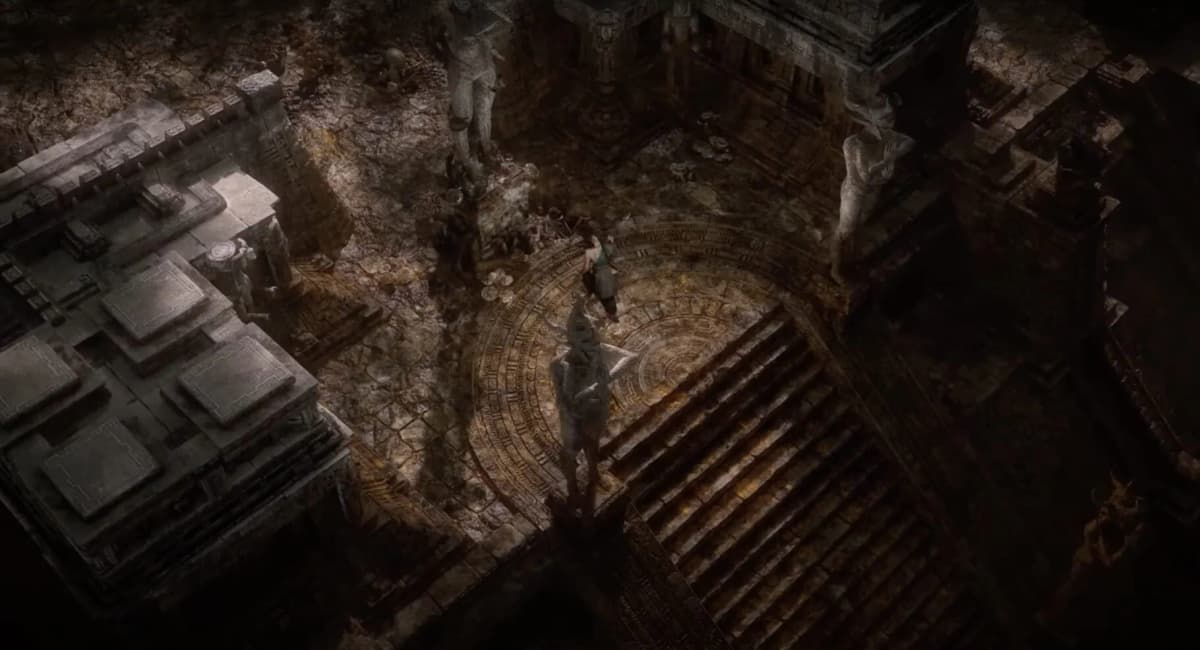
Third — and most controversial — Juatalotli’s Medallion can now only lock tier-three rooms. Previously, players could lock lower tiers and craft their way up into a perfect, farmable layout over many runs; that option is now gone unless you already own tier-three rooms.
Why this matters now
The timing matters because we’re mid-season in The Last of the Druids, a league that’s actually hooked me more than past PoE 2 content thanks to a satisfying new class and a fun evolution of Incursion-style temple building. Players invested hours into refining layouts that could spit out hundreds of Divine Orbs per run. Early tests after the hotfix show those runs dropping from “hundreds” to roughly 20 Divines per attempt — a dramatic contraction of the top-end economy.
The real impact on players and the economy
On one hand, curbing astronomical drops and the server issues that accompany them is healthy for the game long-term. Hyperinflation of currencies ruins leagues, and an unchecked meta that funnels credit into the hands of a few streamers or marathon farmers erodes the league’s lifespan.
On the other hand, the tier-three lock restriction is an asymmetric nerf: it trims future potential for people still building templates while leaving perfected, already-locked routes largely intact. That preserves the advantage of players who climbed early and punishes everyone else. For an economy-conscious change, it’s an odd choice — it nips future abuse but rewards already-abusive layouts.
Community reaction and the sensible middle path
Players are vocal on Reddit and the official forums, calling for the lock restriction to be reversed. The argument is straightforward: forcibly resetting layouts would be heavy-handed and punish time-invested players; leaving veterans untouched while blocking newcomers is unfair. A better fix would have been one of: a temporary layout reset with compensation, a more gradual lock gating, or a system that costs resources to lock rather than an outright restriction.

Grinding Gear Games has shown it’s responsive to feedback in past seasons — and they do have good reasons for these steps — but the practical effect feels like moving the goalposts mid-tournament. If GGG wants the community to stay invested, the next steps should be transparent: either explain a clear plan for eventual lock accessibility or offer a compromise that doesn’t cement a two-tiered player base.
TL;DR
Hotfix 0.4.0c (hotfix 13) meaningfully reduces the most extreme Vaal Temple returns and addresses server problems, but the tier-three-only lock on Juatalotli’s Medallion risks entrenching established farmers and leaving newcomers behind. The economy benefits, but community trust is on the line — GGG needs a follow-up that balances fairness with stability.
FinalBoss // Gear
Level up your setup
01Top-rated gaming headsetson Amazon→02High-refresh gaming monitorson Amazon→03Gaming chairson Amazon→04Discounted game keyson Kinguin→Affiliate links · As an Amazon Associate, FinalBoss earns from qualifying purchases.
Want to Level Up Your Gaming?
Get access to exclusive strategies, hidden tips, and pro-level insights that we don't share publicly.
Ultimate Gaming Strategy Guide + Weekly Pro Tips