
Pokémon Champions didn’t even get a full week of honeymoon before the devs had to break out the apology blog and emergency patch notes. For a free-to-play game that wants to be the official Pokémon battle simulator, this first fix isn’t just about Leech Seed descriptions and Lightning Rod interactions – it’s a public test of whether players can trust the platform at all.
Table of Contents (7)
Key takeaways
- The Pokémon Works has already apologised for Champions’ messy April 8 launch and publicly listed key bugs targeted in its first patch.
- An early hotfix has resolved communication errors with Pokémon HOME transfers, but most gameplay and UI fixes are still “in the works”.
- The bugs being addressed cut straight into competitive integrity (turn order, abilities) and onboarding (tutorial mistakes, UI lockouts).
- Core complaints – performance issues, a limited roster and always-online frustration – aren’t solved by this patch and remain the real battle.
This first patch is really about trust, not just bugs
Pokémon Champions launched on April 8, 2026 as a free-to-play, battle-focused spin-off for Nintendo Switch systems. On paper, it’s something competitive fans have been asking for for years: a fast way to build teams, jump into ranked and casual matches, and skip the grind of breeding and training.
In practice, launch was rough. Players reported performance issues even on newer hardware, frustrating online hiccups, and a game that shipped with a sharply reduced roster and only final evolutions available. For a title that lives or dies on competitive play, that’s not just inconvenient — it undermines the whole pitch.
Two days later, on April 10 (Japan time), developer The Pokémon Works posted an official apology. They acknowledged that Pokémon Champions released with “various problems,” including technical issues and in-game information that didn’t line up with expectations from past Pokémon games. Alongside that apology came the outline of the game’s first bug-fix update.
This is where the story gets interesting. Pokémon games have a long history of “launch now, silently patch the weird stuff later.” Champions is different. It’s structured like a live-service competitive platform, and the team is suddenly talking the language of live service: clear bug lists, public acknowledgement, and rapid turnaround.
If Champions is going to survive as a serious battle hub, that transparency can’t be a one-off. This early patch is less a technical milestone than a credibility test.
The bugs they’re fixing tell you where the priorities are
The first wave of fixes, some live and some incoming, gives a pretty clear picture of what The Pokémon Works thinks must be solid on day one.
Pokémon HOME transfer errors were fixed first. One of the earliest hotfixes targeted a communication error when sending Pokémon from Pokémon HOME into Champions. That’s not just a technical hiccup; it’s a trust issue. If the game that’s meant to be your competitive hub can’t reliably handle your stored Pokémon, players are going to walk away fast. Getting this resolved quickly was non-negotiable.
Competitive logic bugs are next in line. The upcoming patch targets several issues that directly affect how battles play out:
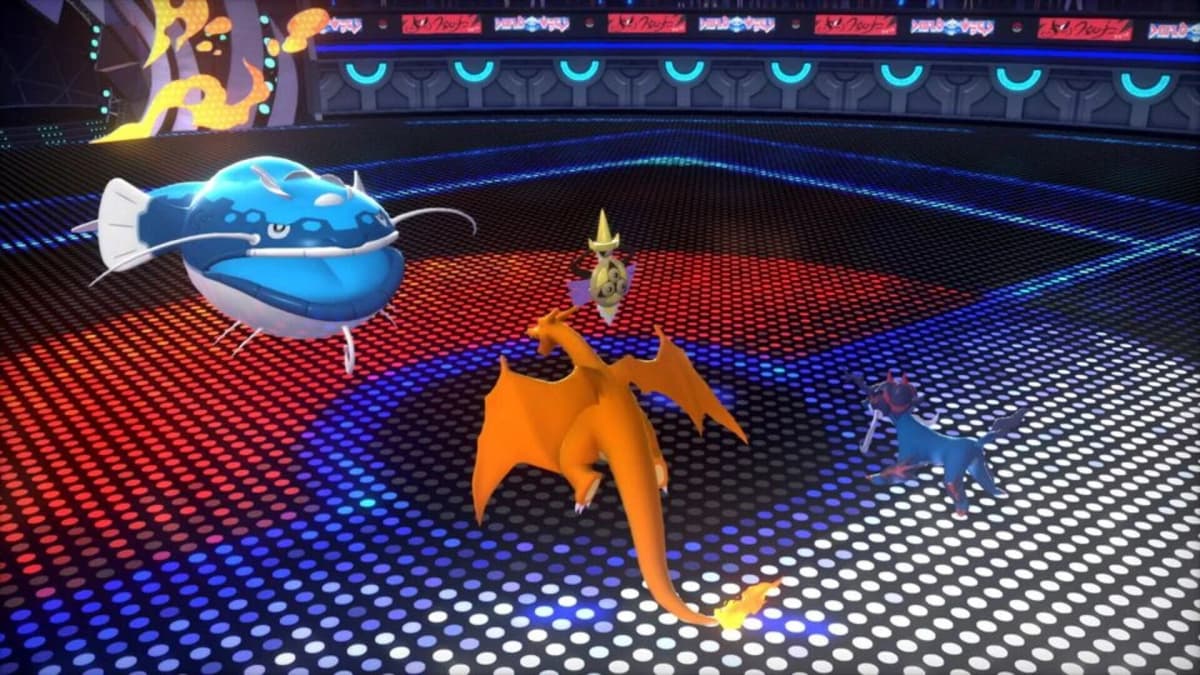
- Leech Seed description mismatch: The move’s written description didn’t match how damage was actually calculated in battle. The devs say the underlying calculation was already correct; the patch brings the text in line with the mechanics.
- Simultaneous Mega Evolution turn order: In rare cases where both sides Mega Evolved on the same turn, the ordering logic could behave incorrectly. For a game leaning heavily on Mega mechanics, even niche edge cases matter.
- Lightning Rod under Encore: The Lightning Rod Ability sometimes failed to activate properly when the Pokémon was locked into a move by Encore. Again, it’s a corner case, but this is exactly the sort of interplay competitive players will stress-test.
These are the kinds of bugs that might get shrugged off in a single-player RPG. In a game that wants to be the official ladder, every mis-ordered turn and misfiring ability is a red flag. Players need to know that if they lose, it’s to a better strategy, not to a weird interaction the engine handled wrong.
Onboarding and UI bugs round out the list. The dev blog also calls out issues that affect new players and basic interaction:
- Incorrect genders in tutorials and preset teams: Some Pokémon shown in tutorials or coordinated teams had the wrong gender. On its own, that’s cosmetic, but it screams lack of polish in the very first experience new players see.
- Mega Evolution menu causing selection lockouts: Under certain conditions, using the Mega Evolution selection UI could leave players unable to choose moves correctly. That’s infuriating in a live match and completely unacceptable in ranked play.
None of these fixes are glamorous, but that’s the point. The Pokémon Works is starting exactly where a competitive game has to start: inputs, rules, and information. If any of those are unreliable, no one cares how slick your menus look or how generous your login bonuses are.
The bigger problems this patch doesn’t touch
Here’s the part the PR spin would rather you gloss over: most of what players are actually angry about isn’t addressed in this early patch at all.
Performance is still a question mark. At launch, players reported framerate drops, sluggish transitions and general jank, even on newer hardware. For a turn-based game, this isn’t about split-second reflexes — it’s about flow. A battle sim that feels slow or unstable is a hard sell for long sessions, tournaments, or streaming.
The apology acknowledges “technical problems,” but the initial bug list focuses on logic and UI. There’s no clear commitment yet to performance optimization or netcode improvements. Until we see a patch note specifically calling those out, assume they’re still under investigation.
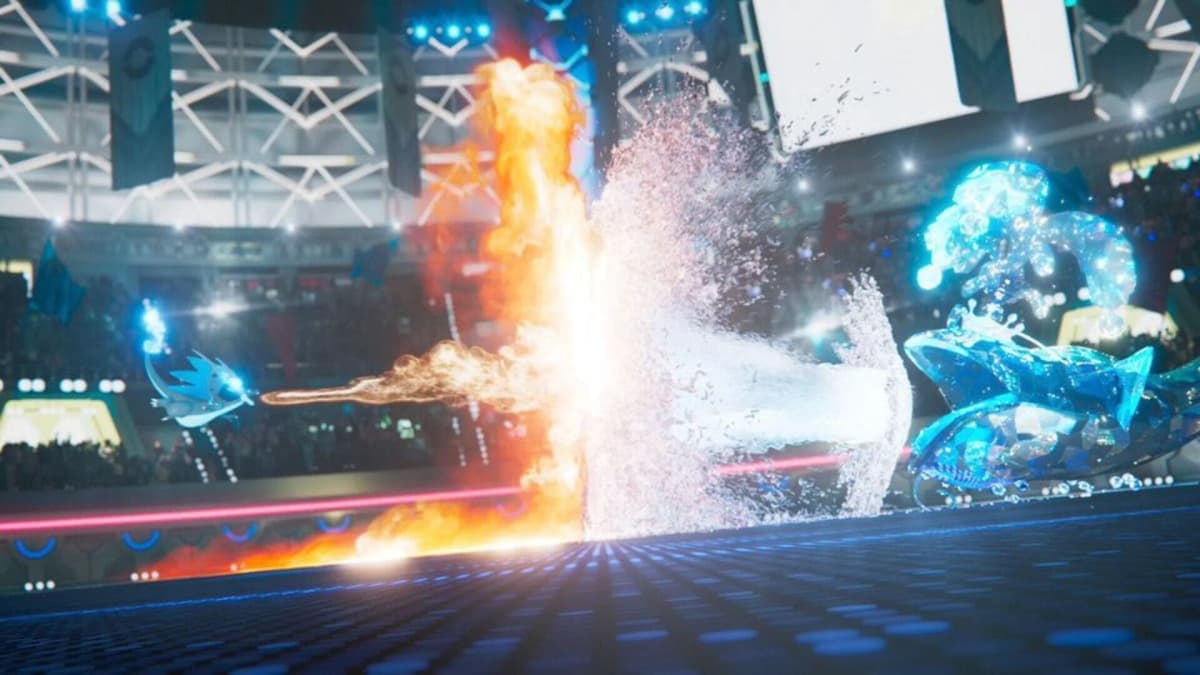
The limited roster and evolution rules are a design gamble. Champions launched with a much smaller pool of Pokémon than the mainline games, and it currently focuses on final evolution stages. From a balance and onboarding standpoint, you can see the logic: fewer variables, quicker learning curve.
The problem is that a competitive platform also needs breadth to stay interesting. Part of the fun of past formats was seeing lower-tier, quirky picks find a niche in the meta. Stripping the dex down and locking players into fully evolved forms makes the whole thing feel more sterile — especially for a franchise built on attachment to specific favorites.
Right now, that’s not a “bug” to be fixed. It’s an intentional choice. But it’s also one of the main reasons you’re seeing “Is this a joke?” reactions from long-time fans. The first patch doesn’t change that.
Always-online and monetisation remain giant question marks. Champions is always-online and free-to-play, which brings its own set of problems: what happens when servers wobble, how aggressive the monetisation becomes, and whether non-paying players feel like second-class citizens.
The launch bugs, particularly communication errors and UI lockouts, make the always-online requirement sting even more. You’re being asked to accept server dependency and an in-game economy in exchange for clean, convenient battles. When the battles themselves feel unstable, that trade stops looking fair.
The early patch notes say nothing about gacha systems, cosmetic pricing, or progression pacing — and to be fair, it’s too early to demand a monetisation overhaul. But this is the context for every technical fix: players are already looking for signs that Champions won’t repeat the worst habits of other free-to-play spin-offs.
Pokémon is finally talking like a live service – now it has to act like one
What stands out most in this whole situation isn’t the individual bugs. It’s the tone and speed of the response.
Two days after launch, The Pokémon Works issued a formal apology in Japanese, listed specific issues, clarified which ones were already fixed (like the HOME transfer error) and which ones would be addressed in the upcoming data update, and promised further investigation into other reported problems. That level of detail and public ownership is not how this series has traditionally handled its mistakes.
Compare that to the early months of Scarlet and Violet, where performance memes outpaced patch notes, or to the slower balance shifts in other Pokémon-adjacent titles. Champions is clearly being treated more like a service — the kind of game that lives or dies on fast iteration and clear communication.
If I had one question for the PR team right now, it wouldn’t be “When is Leech Seed text fixed?” It would be this: What is your update cadence for balance, content, and performance, and how much are you willing to change the game in response to competitive data?
An apology and a quick first patch are good signs, but they’re table stakes for any modern online game. The real test will come when data starts showing overcentralised strategies, when the initial roster feels stale, and when players hit the first wall in whatever monetisation curve Champions ends up using.
If The Pokémon Works keeps publishing clear bug lists, owns up to mistakes in plain language, and shows a willingness to adjust design decisions instead of just patching edge cases, then this rocky launch will be a footnote. If this early transparency fades once the immediate fire is out, Champions will join the long list of “almost” competitive platforms the franchise has flirted with and then quietly sidelined.
What to watch next
- The full first patch notes and timing: When the announced bug-fix update actually drops, check whether performance or netcode gets called out alongside the listed battle and UI issues.
- Stability of ranked play: Over the next few weeks, pay attention to whether disconnects, selection lockouts, or desync-style problems keep surfacing in ranked matches.
- Any roadmap for roster expansion: A clear plan for adding more Pokémon — and not just more final evolutions — will say a lot about how seriously Champions takes long-term competitive variety.
- Communication cadence: If we’re seeing regular, detailed updates and patch notes through the first competitive season, that’s a strong sign Champions is being run like a real live service, not a quick spin-off.
TL;DR
Pokémon Champions launched on April 8 with bugs, performance complaints and design decisions that immediately put its “official battle sim” ambitions under pressure. The Pokémon Works has already apologised and rolled out or announced an early round of fixes targeting HOME transfer errors, battle logic inconsistencies and frustrating UI issues. The technical clean-up is welcome, but the game’s future hinges on what comes next: real improvements to stability and content, and a sustained commitment to treating Champions like the competitive live service it’s supposed to be.
FinalBoss // Gear
Level up your setup
01Best-selling Switch 2 gameson Amazon→02Switch 2 accessorieson Amazon→038BitDo controllerson Amazon→04Discounted game keyson Kinguin→Affiliate links · As an Amazon Associate, FinalBoss earns from qualifying purchases.
Want to Level Up Your Gaming?
Get access to exclusive strategies, hidden tips, and pro-level insights that we don't share publicly.
Ultimate Gaming Strategy Guide + Weekly Pro Tips