
Table of Contents (16)
Why Mega Tyranitar Is Central to the Pokémon Champions Meta
After grinding roughly 30 hours of ranked in Pokémon Champions, Mega Tyranitar ended up on almost every serious team I built. The breakthrough came when I stopped treating it as “just a fat Rock type” and leaned fully into its dual role: sand setter and wallbreaker / sweeper. Once I built around that idea, it went from “solid” to “I have to bring this every game”.
This guide breaks down how to get the most out of Mega Tyranitar in both Solo (singles ladder) and Duo (official VGC-style doubles), including concrete EV spreads, movesets, and team cores I’ve actually used on ladder and in tournaments.
Core Strengths and Why It Warps Team Building
Before touching spreads, you need to understand what you’re really putting on your team when you click that Tyranitarite.
- Sand Stream on mega-evolution – Mega Tyranitar automatically sets sand when it comes in and keeps it up for several turns. In sand, Rock-type Pokémon gain a 50% boost to Special Defense, which turns an already bulky Mega Tyranitar into a special tank.
- Enormous Attack stat – With Attack reaching 164 base after mega-evolution, even “bulky” EV spreads still hit like a truck. You do not need full glass-cannon investment to threaten KOs.
- Excellent defensive stats – Good HP and huge combined defenses let it shrug off neutral hits, especially under sand. It’s one of the few wallbreakers that can also switch into attacks for teammates.
- Top-tier STAB combo – Rock + Dark covers a lot of metagame staples: Flying, Fire, Ghost, and Psychic types all hate facing it.
- Flexible fourth move – The core three moves rarely change in doubles (Rock Slide, Crunch, Protect). The last slot lets you decide whether you want to break Steels with Superpower or snowball with Dragon Dance.
The flip side is that Mega Tyranitar carries a pile of weaknesses-most notably a 4× weakness to Fighting and common weaknesses to Fairy, Ground, Water, Grass, and Bug. How you build the team around it is just as important as the set itself.
Essential Setup: Item, Ability, and Nature
First, make sure the basics are right. I’ve lost games simply because I forgot to equip the right item before locking in.
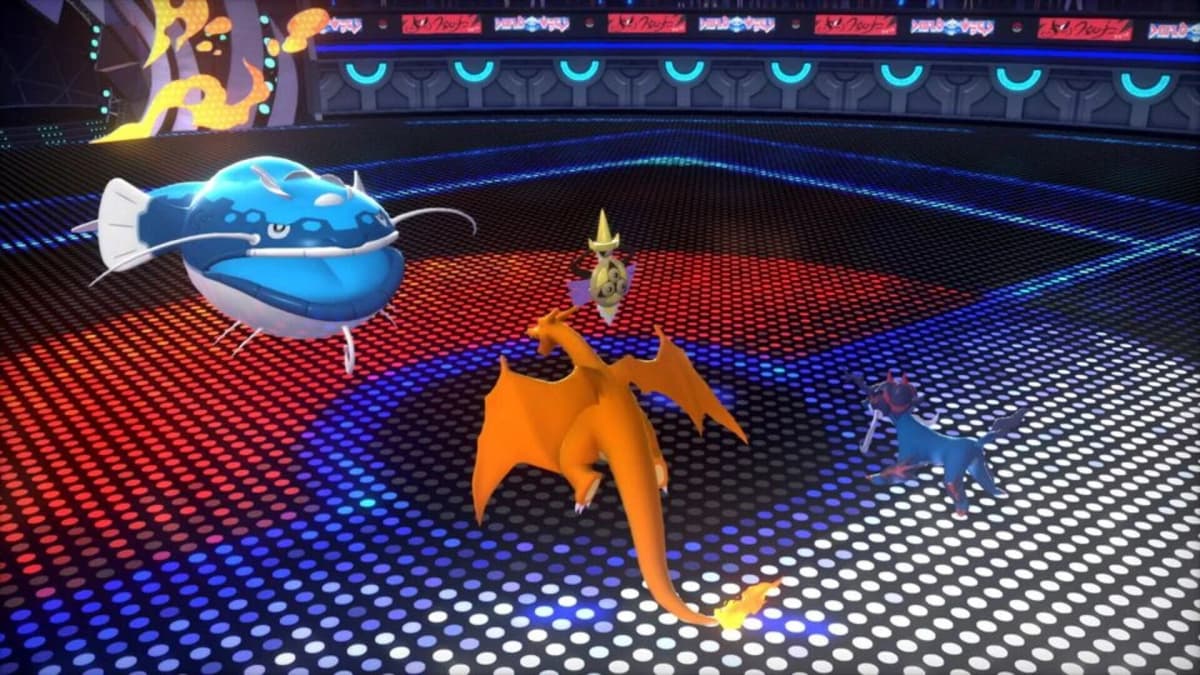
- Base form: Tyranitar
- Held item: Tyranitarite (mandatory if you want Mega Tyranitar)
- Ability: Sand Stream – you don’t need to change this; it becomes the mega’s ability and auto-sets sand.
- Nature (Doubles): Adamant for raw power or Careful/Impish for bulkier variants. Jolly only if your team is built to abuse Dragon Dance speed tiers.
- Nature (Singles): Jolly if you’re playing a Dragon Dance sweeper; Adamant if you’re using it as a slower wallbreaker with support.
To equip the Tyranitarite correctly, go through Bag → Items → Tyranitarite → Use → Choose Tyranitar. Then double-check in Party → Tyranitar → Check held item before you queue for ranked-forgetting this wastes an entire session.
Standard Duo (VGC) Mega Tyranitar Build
This is the build that has carried me through most of my doubles games in Pokémon Champions. It’s tuned for consistency in best-of-three sets and fits both sand offense and balanced teams.
Wallbreaker Sand Setter (Doubles)
Mega Tyranitar @ Tyranitarite
Ability: Sand Stream
EVs: 252 HP / 252 Atk / 4 SpD
Nature: Adamant
Moves:
- Rock Slide
- Crunch
- Protect
- Superpower or Dragon Dance
Why this spread works:
- 252 HP gives you the bulk to survive double-targets, especially from special attackers that would otherwise 2HKO you without sand.
- 252 Atk Adamant ensures you still punch through defensive cores like Corviknight and bulky Waters once chipped.
- Rock Slide is non-negotiable in doubles: spread damage and flinch chance win games outright, particularly under speed control like Tailwind or Trick Room.
- Crunch handles Ghosts and Psychics that try to wall Rock Slide or threaten your support Pokémon.
- Protect lets you stall Tailwind, Fake Out, weather turns, or fish for partner setup (for example, a teammate’s Tailwind going up).
- Superpower gives you a way to break Steels and opposing Rock types; Dragon Dance is for teams that can consistently create free setup turns (via redirection, Fake Out, or Trick Room mind games).
In Pokémon Champions’ early VGC meta, Rock Slide + Crunch + Protect has been near-universal. In my own testing, dropping Protect almost always came back to bite me; you need that defensive flexibility in doubles.
When to Use Dragon Dance in Doubles
I only recommend Dragon Dance in Duo play if your team has a reliable way to buy a free turn:
- Fake Out support from Pokémon like Incineroar to flinch one side while Tyranitar sets up.
- Redirection (for example, Follow Me/Rage Powder users) to eat Fighting or Water hits aimed at Tyranitar.
- Trick Room mind games where your opponent expects a slow mode but you pivot into a +1 Mega Tyranitar cleaning up.
Otherwise, staying fully offensive with Superpower is safer and more consistent, especially in best-of-one ladder games where you can’t rely on opponents playing predictably.
Solo (Singles Ladder) Mega Tyranitar Builds
Singles battles in Pokémon Champions are much more about long-term positioning. Mega Tyranitar spends more time switching in and out and less time being double-targeted, so I’ve had success with faster, more offensive spreads.
Dragon Dance Sweeper (Singles)
Mega Tyranitar @ Tyranitarite
Ability: Sand Stream
EVs: 252 Atk / 4 Def / 252 Spe
Nature: Jolly
Moves:
- Dragon Dance
- Stone Edge or Rock Slide
- Crunch
- Earthquake / Superpower / Ice Punch (depending on coverage needs)
How this set plays:
- In Solo, Jolly lets you outspeed a huge chunk of the metagame after one Dragon Dance, including many base 100s that aren’t Scarfed.
- Stone Edge gives you higher single-target damage and more OHKO potential, but Rock Slide is still fine if you want reliability.
- The fourth move is flexible:
- Earthquake for Steels and Electrics.
- Superpower if you really need to delete specific threats at the cost of dropping your own stats.
- Ice Punch if Dragons and Grounds (like Garchomp) are everywhere on your ladder.
I tried bulkier DD spreads at first (more HP, less Speed), but too many games came down to being outsped by random +Spe threats after a single boost. In Solo, I eventually committed to max Speed and never looked back.
Bulky Wallbreaker (Singles)
Mega Tyranitar @ Tyranitarite
Ability: Sand Stream
EVs: 252 HP / 252 Atk / 4 SpD
Nature: Adamant
Moves:
- Rock Slide or Stone Edge
- Crunch
- Superpower / Earthquake
- Stealth Rock / Thunder Wave / Dragon Dance
This is more of a “glue” set for bulky offense teams. You come in on something you wall, set Stealth Rock or spread paralysis with Thunder Wave, and still threaten big damage. I moved away from this in high ladder where games are faster, but it’s very forgiving while you’re learning matchups.
Building Around Mega Tyranitar in Duo (VGC)
Most players lose value on Mega Tyranitar not because of the set, but because of poor teammates. These are the roles I’ve found almost mandatory around it in Pokémon Champions doubles.

- Fake Out + Intimidate / Pivot – Pokémon like Incineroar give you:
- Safe turns to Mega Evolve and set sand.
- Intimidate to patch up Mega Tyranitar’s weaker physical bulk against Fighting and Ground types.
- Pivot moves (like Parting Shot or U-turn) to bring Tyranitar in without taking hits.
- Speed control – Tailwind users such as Whimsicott or bulky Trick Room setters like Cofagrigus let Mega Tyranitar attack first, which is key for Rock Slide flinch pressure.
- Fighting/Fairy checks – You absolutely need partners that punish Fighting and Fairy types:
- Bulky Ghosts (Cofagrigus, Galarian Slowbro) to switch into Fighting moves.
- Steel or Poison types to absorb Fairy attacks threatening your sand core.
- Water and Ground answers – Grass or Water resists like Appletun or Hisuian Goodra help you pivot safely when opponents try to counter sand with their own bulky Waters or Ground spam.
In practice, one of my most reliable VGC cores has been Mega Tyranitar + Whimsicott + Incineroar + a bulky Dragon (Hisuian Goodra or Garchomp). That gives me weather, Tailwind, Fake Out, and resistances for most of Tyranitar’s issues in just four slots.
In-Game Gameplan: How to Actually Play Mega Tyranitar
Early Game (Turns 1–3)
- Lead with support + Tyranitar if you expect to control the pace (for example, Whimsicott + Tyranitar into a Charizard/Gengar core).
- Lead double support (like Incineroar + Whimsicott) and keep Tyranitar in the back if the opponent has obvious Fighting or Water leads.
- Use early turns to:
- Get sand up.
- Set Tailwind or Trick Room, depending on your build.
- Scout for Choice items and coverage that threaten Tyranitar.
Mid Game (Breaking the Core)
- Once speed control is established, bring in Mega Tyranitar and start clicking Rock Slide liberally. The combination of chip + flinch chance wins a lot of 50/50s.
- Use Protect smartly:
- To stall out enemy Tailwind or Trick Room.
- To soak double-targets while your partner removes a key threat.
- Target down Pokémon that resist Rock Slide first, so late-game Rock Slide spam is uncontested.
End Game (Cleaning Up)
- With opposing walls chipped or removed, Mega Tyranitar’s job is to clean:
- In doubles, keep spreading Rock Slide and only risk single-target moves like Crunch or Superpower when the KO is guaranteed.
- In singles, a +1 or +2 Dragon Dance Mega Tyranitar should be sweeping-don’t give free turns, just trade KOs in your favor.
- Watch your sand turns. Once sand ends, your special bulk drops and surprise KOs from special attackers become much more likely. Either reset sand by switching out/in, or play more conservatively.
Common Mistakes to Avoid
- Sending Mega Tyranitar in too early without support – I lost a lot of early games by leading it into double Fighting or Grass coverage. Scout first; pivot it in once you’ve seen key moves.
- Skipping Protect in doubles – Every time I tried to run four attacks, I regretted it. Being locked into attacking makes you easy to double-target and to play around.
- Over-investing in Speed on bulky doubles sets – In Duo, you usually get your Speed from Tailwind or Trick Room. Those wasted EVs could have been HP or Defense that actually wins you trades.
- Ignoring your own sand synergy – If Mega Tyranitar is your only beneficiary of sand, you’re not extracting full value. Try to include at least one other Rock/Steel/Ground or a Pokémon that enjoys chip damage plus special bulk.
- Underestimating 4× Fighting weakness – Even neutral coverage like Close Combat from an Intimidated attacker will usually delete you. Always track opposing Fighting moves and have a dedicated resist ready.
Practical Takeaway: When Should You Use Mega Tyranitar?
If your Pokémon Champions teams need a Pokémon that can both set weather and break defensive cores, Mega Tyranitar is one of the best investments you can make. In Duo, start with the bulky 252 HP / 252 Atk wallbreaker set, pair it with Fake Out and speed control, and learn to cycle it in only when its main checks are under control. In Solo, decide whether you want a fast Dragon Dance sweeper or a bulky wallbreaker and build your EVs and coverage around that choice.
Once you respect its weaknesses and commit to building real support around it, Mega Tyranitar stops being “just another strong attacker” and becomes a central gameplan your opponents have to answer every single match.
FinalBoss // Gear
Level up your setup
01Best-selling Switch 2 gameson Amazon→02Switch 2 accessorieson Amazon→038BitDo controllerson Amazon→04Discounted game keyson Kinguin→Affiliate links · As an Amazon Associate, FinalBoss earns from qualifying purchases.
Want to Level Up Your Gaming?
Get access to exclusive strategies, hidden tips, and pro-level insights that we don't share publicly.
Ultimate Guide Strategy Guide + Weekly Pro Tips