
Pokémon Champions isn’t just another spin-off; it’s where official VGC (Video Game Championships) is moving this year. On paper, it’s a free-to-start, streamlined stadium battler that ditches IVs (Individual Values) and overhauled EVs (Effort Values) to make competitive play more approachable. In practice, it layers on so many paid tiers—Pokémon Home Premium, a Battle Pass, a Starter Pack, a Champions Membership—that serious team-building starts to look like a “competitive tax.”
VGC’s new home: free to start, pricey to master
Launching 8 April on Nintendo Switch and Switch 2 (mobile later in 2026), Pokémon Champions becomes the official platform for Play! Pokémon Premier Events from late May onward. Director Masaaki Hoshino explained at EUIC 2026 that the team dropped IVs entirely “to strip out invisible stat variance” and rebuilt a hard‐capped EV system (66 points, instead of the old 510+). Veteran designer Junichi Morimoto told GameSpot this approach “removes the spreadsheet barrier” so new players can experiment without a biology degree in breeding.
But to import your favorite partners from past generations, you need Pokémon Home—where the free tier caps you at just 30 stored Pokémon and forbids bulk movement. If you want to cruise into Champions with your entire collection intact, you’re already nudged into paying a yearly fee for Home Premium. That fee alone starts the clock on a potential paywall before you ever open Champions’ own in-game shop.
Trading time grind for a money grind
Mechanically, Champions nails the promise of accessibility. Without IVs, every Pokémon spawns with identical base stats. The new EV system displays exactly how many points you’ve invested in Attack, Defense, and so on—no more endless guide-reading or RNG “rolls” after 50 eggs hatched. As 3DJuegos notes, the UI highlights remaining EV space, making team-tweaks feel intuitive.
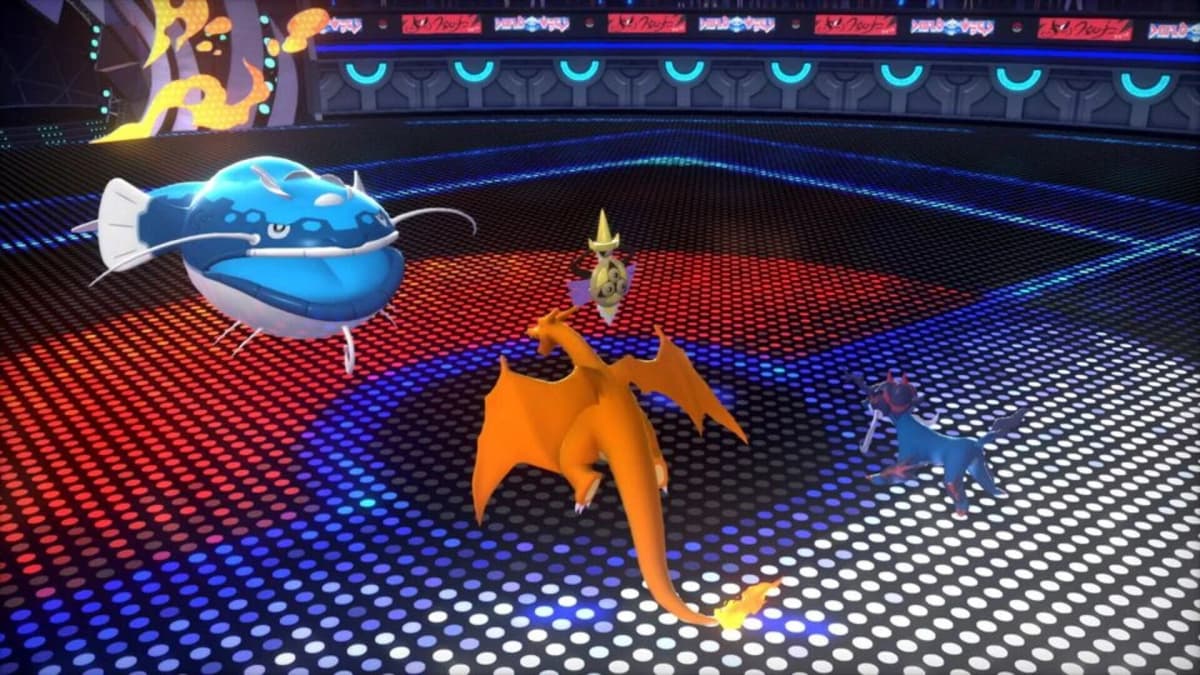
But box space and team management remain critical: you start with a modest capacity (about 30 slots) that can be expanded only by buying paid content. The Starter Pack—roughly $6—boosts your storage to around 80 slots and throws in some cosmetic items. It’s the same pressure point as old breeding grinds, just swapped from hours of egg-hatching to dollars in your digital wallet.
Layered monetization: a “competitive tax”
Once you step into Champions’ economy, you face at least four potential purchases:
- Pokémon Home Premium – $15.99/year to unlock 600 slots in Home and bulk transfers into Champions.
- Starter Pack – $6 one-time upgrade for expanded box space and bonus rewards.
- Battle Pass – Roughly $9 per season, with a Premium track for extra cosmetics and gameplay items.
- Champions Membership – About $4.75/month or $47/year, further raising slot limits and adding exclusive quests, music, and seasonal perks.
None of these fees are extortionate on their own. But when your goal is to field multiple competitive squads—switching rapidly to adapt to evolving metas—each layer starts to look less optional. At that point, championing free-to-play becomes more of a theoretical possibility than a practical reality.
Cost scenarios: who can afford true VGC play?
Let’s break down three typical player profiles and their first-year expenses for a competitively viable setup:

- Scenario 1: Casual Collector (Free-only)
Uses the base free storage in Home and Champions. Budget: $0.
Reality: You’ll import a handful of favorites, juggle box swaps mid-session, and likely hit your caps within weeks—making serious team-testing a headache. - Scenario 2: Serious Free-to-Play
Buys Pokémon Home Premium ($15.99/year) but skips the Champions ecosystem. Budget: ~$16/year.
Reality: You can hoard up to 600 Pokémon, but Champions’ own box stays capped at free limits. You’ll spend match time deleting rather than battling. - Scenario 3: Competitive Subscriber
Buys Home Premium ($15.99), Starter Pack ($6), four Battle Passes (~$36), and an annual Champions Membership ($47). Budget: ~$105 in year one.
Reality: You’ll hold multiple 6-man squads, chase seasonal rewards, and swap builds instantly—matching top players who expect flexibility.
In year two, without the Starter Pack, that recurring cost sits around $98. By comparison, a physical championship event often costs more in travel alone—yet here you’re paying just to unlock essentials within the official digital arena.
FinalBoss // Gear
Level up your setup
01Best-selling Switch 2 gameson Amazon→02Switch 2 accessorieson Amazon→038BitDo controllerson Amazon→04Discounted game keyson Kinguin→Affiliate links · As an Amazon Associate, FinalBoss earns from qualifying purchases.
Accessibility or paywall?
On paper, Champs is the kind of bold experiment Pokémon should run: free entry, no antiquated breeding quirks, cross-play on modern platforms. Eurogamer PT argues it could finally draw in new VGC fans the way Unite fell short. But real accessibility is measured deep into the battle grind.
When storage caps, seasonal metas, and Worlds-caliber prep require you to own ten fully built teams, the ability to pay for more slots isn’t a convenience—it’s a competitive edge. As one community moderator pointed out on the Smogon forums, “When I saw my opponent swap through five Dragonite builds in seconds, I realized this isn’t just a match of strategy—it’s a match of credit cards.”
If The Pokémon Company wants “VGC for everyone,” it needs to spell out the fully free path. Without clarity, that promise feels footnoted by “paid tiers recommended for serious play.”
What to watch next
- April 8 launch – How generous are initial free-tier limits? Will casual players feel welcome after month one?
- First Regionals (late May) – Do pro players flag friction from paywalls in commentaries or interviews?
- Balance patches – Early meta powerhouses (that demo Incineroar, for example) could emphasize the value of unlimited slot swapping.
- Pokémon GO connectivity – Official word on which games reliably feed into Champions via Home remains crucial.
- Monetization tweaks – Any rapid adjustment to free storage or Membership perks will show TPC’s sensitivity to backlash.
Key Takeaways
- Champions simplifies VGC by removing IVs and clarifying EVs, making competitive play more approachable on paper.
- Multiple paid tiers—Home Premium, Starter Pack, Battle Pass, Membership—create a stacked cost for serious players.
- Free-only players can try matches but will hit storage and flexibility limits fast.
- A true “free” competitive path needs clear guidelines from The Pokémon Company.
Conclusion
Pokémon Champions is poised to redefine digital VGC with its free entry point and streamlined mechanics. Yet the layered monetization—spread across Home Premium, in-game bundles, and recurring passes—risks turning serious competitive play into a subscription exercise. Until The Pokémon Company clearly maps out a zero-spend pathway to high-level competition, free-to-play trainers should brace for a real “competitive tax” on their journey to the top.