
Pokémon just took dead aim at one of its most miserable competitive habits: winning by doing nothing.
With Pokémon Champions, The Pokémon Company has quietly killed Time Over Death (TOD), turned online timeouts into automatic draws, and reworked status conditions like paralysis and freeze. On paper those are “rules tweaks.” In practice, they’re a hard reset on how people ladder, stall, and even think about what a “legit” win looks like in this series.
- TOD is gone: in ranked and casual Champions battles, if the match clock runs out, nobody wins – it’s a draw.
- Stall for time is dead: teams built purely to nurse a tiny HP lead until timeout just lost their main win condition.
- Status is toned down: paralysis and freeze have been redesigned to be less about random hard-locks, more about predictable tempo hits.
- This is a test bed: if Champions’ rules work, expect pressure to bring them into official VGC and future mainline games.
Table of Contents (6)
TOD is dead – and that changes how you play the clock
If you’ve followed official formats over the last decade, you know TOD without needing the acronym explained. Overall battle timer runs out, the game goes down a checklist – number of remaining Pokémon, then total HP percentage, sometimes other tiebreakers – and declares a winner. The result: “time-out” comps that aren’t trying to win the battle so much as survive it.
Champions throws that out. According to early coverage out of Japan, in ranked and casual online matches, when the battle time hits zero, the game doesn’t crown whoever’s slightly healthier. It just calls the whole thing a draw.
That sounds small, but it rips out the incentive structure behind a whole class of playstyles. No more nursing a 3% HP lead on your last mon and spending the final four minutes Protect-spamming while counting down the clock. No more building a team around the question “How miserable can I make the last 90 seconds for my opponent?” There’s no longer a reward for making the game unwatchable.
There are knock-on effects too:
- Aggression is rewarded: if you’re slightly ahead but can’t close the game, stalling just risks turning a winning position into a draw.
- Late-game decisions matter more: giving up HP or sacks in exchange for tempo can’t be “fixed” by hiding behind TOD math later.
- Clock abuse loses value: laggy inputs, slow play and “oops I’m thinking” every turn don’t get you closer to a W.
The uncomfortable question the PR team won’t lead with is what this means for the ladder economy. Draws are notoriously tricky in rating systems. Too many, and climbing feels glacial. Handle them badly, and you invite collusion: two friends queue together, agree to draw, and farm whatever minimal rewards that still grants.
If I had one question for the Champions designers, it’d be simple: How many draws are you expecting per 100 games at high rank, and what does a draw actually do to my rating and rewards? That answer will decide whether this is a clean fix or just a different kind of frustration.
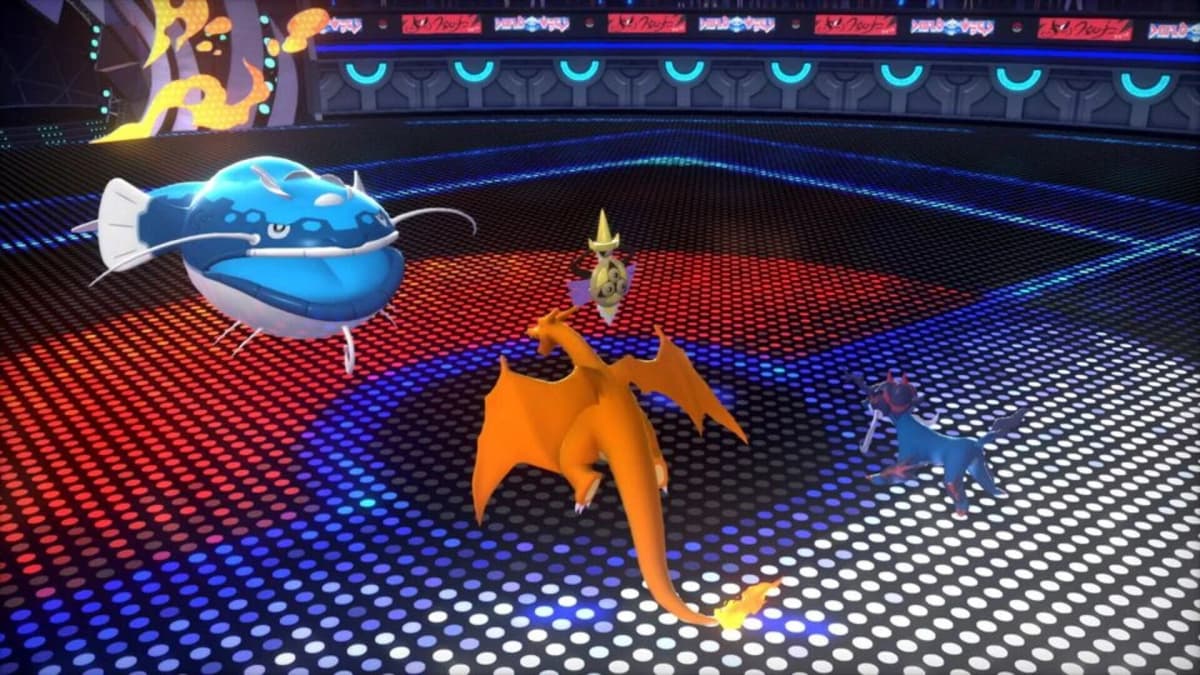
Status wasn’t “strategic,” it was miserable – Champions dials it back
The other big competitive surgery is on status effects, specifically paralysis and freeze. Champions changes how both work, aiming to reduce “time-out hunting” and pure RNG lockouts.
In the mainline games and official formats, paralysis has long been a double punishment: massive speed drop plus a 25% chance to just not move. Freeze is even worse, effectively banning a Pokémon from playing at all until RNG decides you’ve had enough. Both mechanics are infamous for deciding tournament sets in ways nobody feels good about.
Champions’ updated rules, as described in Japanese previews, make these statuses less about pure denial and more about predictable tempo taxes. Exact numbers and formulas will need to be labbed, but the intent is clear: games should be won by what you build and how you play, not because Thunderbolt flipped a coin in your favour three turns in a row.
Crucially, that change interacts with the TOD removal. Old “paralysis spam into Protect spam” lines – stall a paralyzed mon, fish for full paras, then let the clock do the killing – lose their teeth when a timeout no longer hands you the match. Status can still generate openings, but it no longer combos with the system rules to create non-games.
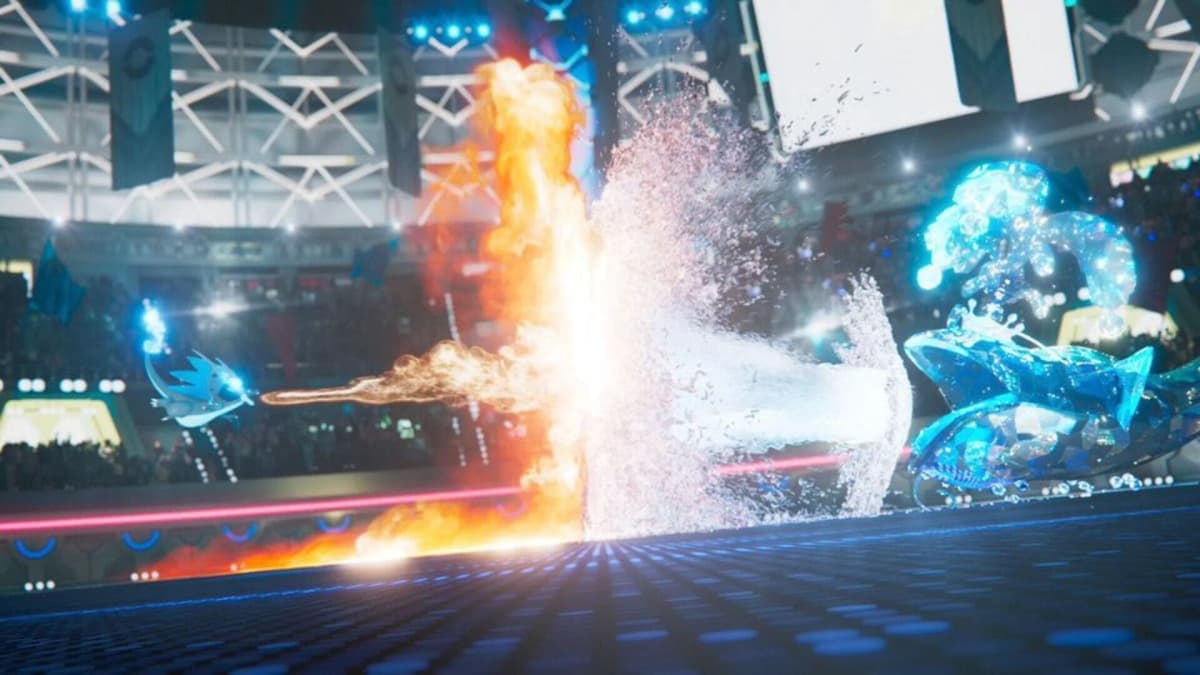
There is a cost here. This kind of redesign inevitably makes some defensive tools weaker. Pokémon has always had a weird relationship with stall; it’s theoretically a valid archetype, but one the official rule set has never properly supported or communicated to spectators. Champions feels like TPC finally picking a side: they’ll take cleaner, faster games over preserving the full spectrum of degenerate but “legal” strategies.
A better ruleset is landing on a shaky platform
Here’s the twist: some of the smartest competitive changes Pokémon has made in years are debuting in a game that’s already catching heat for almost everything else.
Pokémon Champions launched on Nintendo Switch as a free-to-play, battle-focused spin-off that links with Pokémon HOME, trims away IV breeding, and leans into online ranked and casual play. But early impressions from Western outlets and players are mixed: a hard 30FPS cap even on Switch 2, slow menus, a launch roster under 200 Pokémon, a stripped-down item pool missing staples like Life Orb and Choice items, and a focus on doubles with no 6v6 singles option.
Champions is very clearly being positioned as the new home base for official competitive play going forward – or at least as a test bed for where TPC wants the format to go. That’s exactly where you want TOD removal and status reworks to live. It’s also the worst possible place to ship performance issues and a thinner, more constrained sandbox.
If the client runs badly, if team-building feels cramped, or if a big chunk of the community refuses to leave Showdown or older cartridges, these elegant rules tweaks will end up stranded. The danger isn’t that TOD comes back; it’s that the audience that actually cares about TOD never migrates to Champions in the first place.
This is Pokémon testing its future VGC rulebook
Strip away the performance complaints and the launch roster drama, and Champions’ competitive rules look a lot like The Pokémon Company trying to catch up with what the community has been saying for years.
- Clock rules should not reward slow play.
- Status effects should create interesting decisions, not hard-disable your team at random.
- Online ranked needs to be readable and fair for spectators, not just for people with a spreadsheet of TOD breakpoints.
If these changes land well – if high-level players adopt them, if tournaments run smoother, if we stop seeing finals decided by HP decimals after six minutes of Protect – it’ll be very hard to justify going back. The pressure to align future VGC formats and even mainline battle rules with Champions will be enormous.
And that’s the real verdict here: for all its launch problems, Champions is where Pokémon is quietly rewriting the competitive rulebook. Killing TOD and dialing back status RNG is the clearest signal yet that TPC knows what’s been broken about high-level play, and is finally willing to do more than patch around the edges.
If they can fix the client, expand the roster, and answer the open questions around how draws affect rankings and rewards, Champions’ rule changes could end up being the most important thing to happen to competitive Pokémon since the original split into physical and special moves.
What to watch next
- Draw rate at high ranks: once the ladder stabilizes, community data on how often matches actually end in draws will show whether TOD removal went too far or not far enough.
- Official VGC alignment: watch upcoming season rule docs – if they start mirroring Champions’ clock and status rules, that’s your confirmation this isn’t a spin-off experiment.
- Patch notes and balance passes: any tweaks to paralysis/freeze percentages or timer lengths in the first few major updates will tell you how confident the devs really are.
- Player migration: if top players and major events stick with older platforms or Showdown rules, Champions risks becoming a side ladder with great ideas nobody fully adopts.
TL;DR
Pokémon Champions scraps Time Over Death wins, turning ranked and casual timeouts into draws and redesigning paralysis/freeze to be less about random hard-locks. That kills stall strategies built around running the clock and makes competitive games faster, cleaner, and easier to watch – at the cost of some defensive depth and with big questions around how draws affect ranking and rewards. If Champions’ rules catch on and its technical issues get fixed, this could quietly become the blueprint for Pokémon’s entire competitive future.
FinalBoss // Gear
Level up your setup
01Best-selling Switch 2 gameson Amazon→02Switch 2 accessorieson Amazon→038BitDo controllerson Amazon→04Discounted game keyson Kinguin→Affiliate links · As an Amazon Associate, FinalBoss earns from qualifying purchases.
Want to Level Up Your Gaming?
Get access to exclusive strategies, hidden tips, and pro-level insights that we don't share publicly.
Ultimate Gaming Strategy Guide + Weekly Pro Tips