
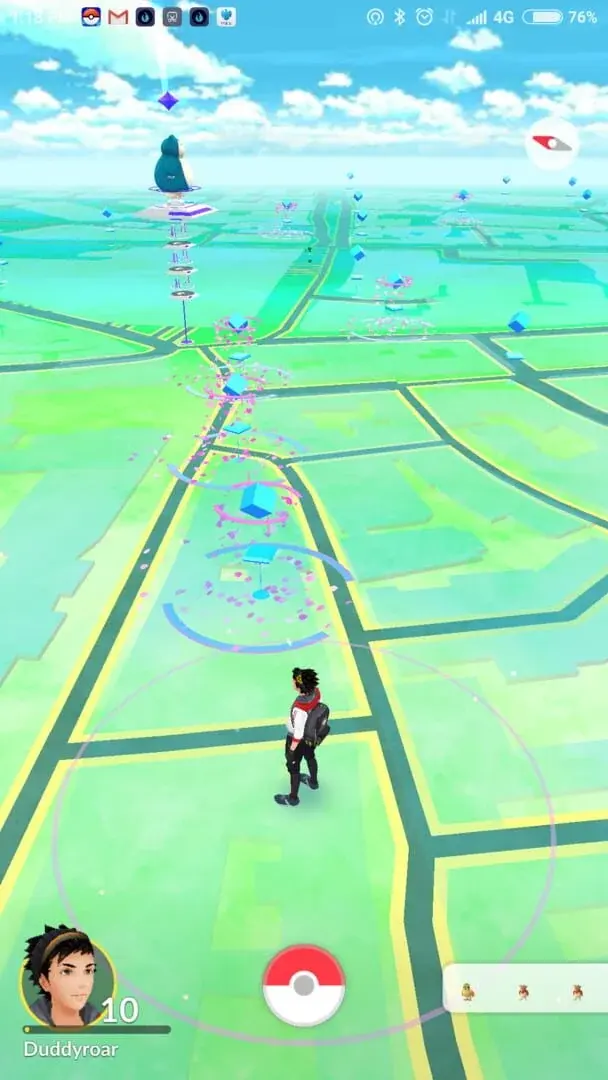
A reported 30-day Pokémon Go suspension for receiving Special Research “in an unauthorized manner” is a formal account strike, not the usual temporary soft ban that makes Pokémon flee and PokéStops stop paying out. That distinction matters because players caught up in this wave need to treat it like an enforcement case, preserve their evidence, and stop feeding Niantic more suspicious account activity.
Table of Contents (4)
The ban notices are real; the black-market story is still unproven
Players have shared notices stating that Niantic confirmed they received Special Research through an unauthorized method, followed by a 30-day suspension and a warning that repeat violations can bring harsher action. Niantic’s Gameplay Fairness Policy already gives the company broad room to act against unauthorized software, modified clients, and other methods it considers unfair.
The uncomfortable detail is that the current reports are not about an ordinary, dubious encounter or a legacy task sitting untouched in a long-time player’s inventory. They center on questlines that appear impossible for an account to have received legitimately: retired research, unavailable distributions, or reward chains that should never have been active in that player’s account state.
That has revived years of community chatter about “injecting”: illicitly adding Special Research to an account, potentially to access rare Pokémon and rewards that cannot be earned through normal play. Claims of an organized market selling these outcomes, sometimes for hundreds of dollars, remain allegations. No public technical explanation has established how such access allegedly happens, nor has Niantic publicly detailed the trigger behind this ban wave. The enforcement is concrete. The supposed pipeline behind it is not.
This is about access to the quest, not merely owning a rare Pokémon
Pokémon Go has always had an economy of scarcity. Timed events, ticketed research, regional availability, and one-shot distributions are part of how a decade-old mobile game keeps its collection chase alive. The game still pulls serious money when the event machine is working: its July 6-12 Road to Legends week reportedly generated more than $48.5 million in in-app purchases, 5.9 times the previous week.
That makes unauthorized access especially toxic to Niantic’s business model. If rare research can be obtained outside the intended event, ticket, or eligibility path, the company loses control over both fairness and the scarcity it sells. A crackdown was inevitable. What is overdue is clarity for players who may have received unusual research without knowingly buying or using an illicit service.
Do not confuse a soft ban with a 30-day suspension
- Soft ban: Catching and spinning behavior is restricted, commonly after suspicious movement patterns. It is generally a temporary gameplay limitation.
- Formal suspension: The account receives a direct enforcement notice, may be locked for a stated period, and carries the risk of escalating penalties.
- Unauthorized Special Research strike: The reported notices specifically identify research received through an unauthorized manner and cite a 30-day suspension.
Anyone with the latter should immediately remove third-party tools: spoofing apps, modified clients, auto-catch services, overlays, or IV checkers that require account login. Even tools that feel harmless become a problem when an account is already under review. Repeated logins, gameplay attempts, and a barrage of duplicate support tickets are equally unhelpful.

A clean appeal is the only sensible move
Screenshot the full suspension notice, including its wording and duration. Record when the Special Research appeared, when it was claimed, which device was used, and every app or service connected to the account. Save purchase receipts, research screenshots, and prior support messages. If the activity was not authorized, secure the account first by changing the password and protecting linked email or social logins.
Then submit one factual appeal through official support. Include the Trainer name, timing, screenshot, and a concise request for review. Do not deny third-party use if it happened; Niantic’s policy treats that behavior as a fairness violation, and a false story is unlikely to survive whatever account records triggered the action.
The next thing that matters is a proper explanation from Niantic Games: whether these strikes target injected questlines alone, compromised accounts, third-party sellers, or a wider category of unusual research access. Until that arrives, players should assume that an “impossible” quest is evidence to document, not a jackpot to claim.
FinalBoss // Gear
Level up your setup
01Best-selling Switch 2 gameson Amazon→02Switch 2 accessorieson Amazon→038BitDo controllerson Amazon→04Discounted game keyson Kinguin→Affiliate links · As an Amazon Associate, FinalBoss earns from qualifying purchases.
Want to Level Up Your Gaming?
Get access to exclusive strategies, hidden tips, and pro-level insights that we don't share publicly.
Ultimate Gaming Strategy Guide + Weekly Pro Tips