
Table of Contents (6)
Why this caught my attention (and why you should care)
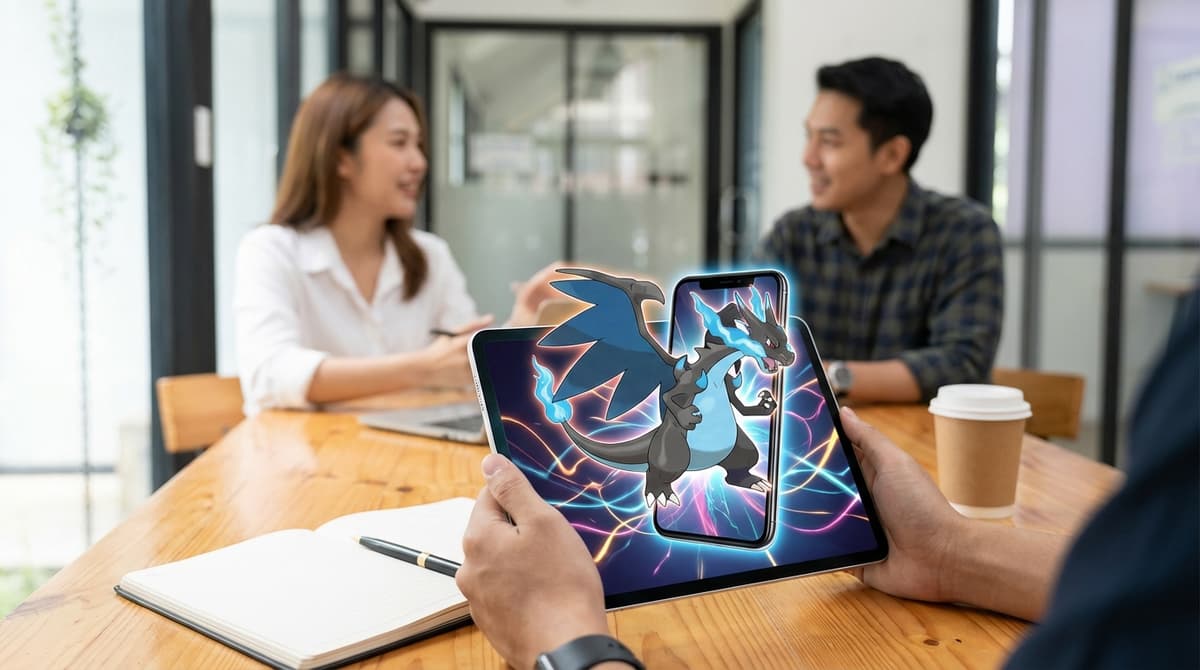
Niantic just reworked Pokémon Go’s Mega system in a way that’s trying to do two things at once: make Mega battles feel weightier and force the social meetups that made the game a phenomenon. This matters because Mega Pokémon have been oddly underused for months, and Niantic is now leaning hard on community-driven raids, a new resource economy, and an extra Mega progression tier to change that – starting with the Kalos Tour events.
- Super Mega Raids – bigger, harder raid fights designed for roughly seven to eight players with shield-breaking mechanics that reward Mega Pokémon participation.
- Link Charges – a new currency you collect via social actions (gifts, meetups, weekly challenges) used to access Mega and Super Mega raids; Niantic says charges are rewarded for IRL engagement and are cheaper when used in-person.
- Super Max & Mega tuning — a fourth Mega tier that gives extra bonuses and allows re-Megaing every 24 hours; success grants more Mega Energy, but reaching it needs heavy grinding.
Breaking down what’s new
The most visible change is the Super Mega Raid tier. Niantic is positioning these as the toughest Mega fights yet — think Gigantamax-level difficulty but with an explicit social twist. The company told IGN (via an interview published Feb. 19) it’s targeting around seven to eight players to win these raids. Super Mega bosses throw up shields that deal with normal damage unless players bring Mega Pokémon; when enough teammates have a Mega in play the shields break, triggering a high-damage window and a big visual payoff.
That shield mechanic is deliberate: it creates a moment where the raid room coordinates (or fails spectacularly), and it forces a reason to actually use the Mega Pokémon you’ve invested Mega Energy into — no more leaving Megas in the bench.
Link Charges: clever incentive or another gated currency?
Link Charges are the second headline. Multiple outlets (including Steam News) explain Link Charges are stored in a Link Holder item and earned through social actions — opening and sending gifts, community check-ins, weekly challenges, and official meetups. Niantic frames this as an encouragement for IRL community activity: using Link Charges in person will be cheaper than buying access via a battle pass, the developer told IGN.
There is, that said, a wrinkle. Some reports say Link Charges are consumed on entry to a raid; Niantic’s comments to IGN suggest they learned from Max Particles and plan to only consume these charges on victory. Those two statements conflict in current coverage, and Niantic admits tuning is ongoing. Bottom line: the currency exists to reward social play, but the final economics — caps, cost per raid, and how remotes are priced — are still being worked out.
Super Max tier and progression mechanics
Niantic also introduced a Super Max tier — effectively a fourth Mega level that adds more powerful bonuses and increases the payoff for committing Mega Energy. Sources covering the Kalos Tour (JeuxVideo and VidaExtra) note Mega Dragonite, Mega Victreebel, and Mega Malamar will debut during the event, with Super Mega Raids arriving alongside that roster. Expect more Mega Energy rewards from Super Mega victories, but also a steeper grind to reach Super Max.
Where this fits in Niantic’s playbook
This is classic Niantic: double down on IRL community, add a layer of gated premium content, then claim the gates can be opened with engagement rather than cash. They’ve done variations of this with Max Particles and Gigantamax — and they’re explicitly applying lessons from those systems here (for better or worse). Players should be wary: if Niantic properly balances Link Charges to reward play rather than punish it, these tweaks could revitalize Mega mechanics. If not, this will feel like yet another pay-adjacent barrier to the most interesting content.
What to expect in the short term
Super Mega Raids are rolling out with Kalos events at the end of February (several outlets covering the event confirmed dates and special raid lineups). Expect early teething: tuning on Link Charge costs, caps, and remote pricing will change after player feedback. Also watch how Niantic prices purchasable Link Charges during tour ticket sales — Steam News flags this as a likely option.
FinalBoss // Gear
Level up your setup
01Best-selling Switch 2 gameson Amazon→02Switch 2 accessorieson Amazon→038BitDo controllerson Amazon→04Discounted game keyson Kinguin→Affiliate links · As an Amazon Associate, FinalBoss earns from qualifying purchases.
Want to Level Up Your Gaming?
Get access to exclusive strategies, hidden tips, and pro-level insights that we don't share publicly.
Ultimate Gaming Strategy Guide + Weekly Pro Tips