
Game intel
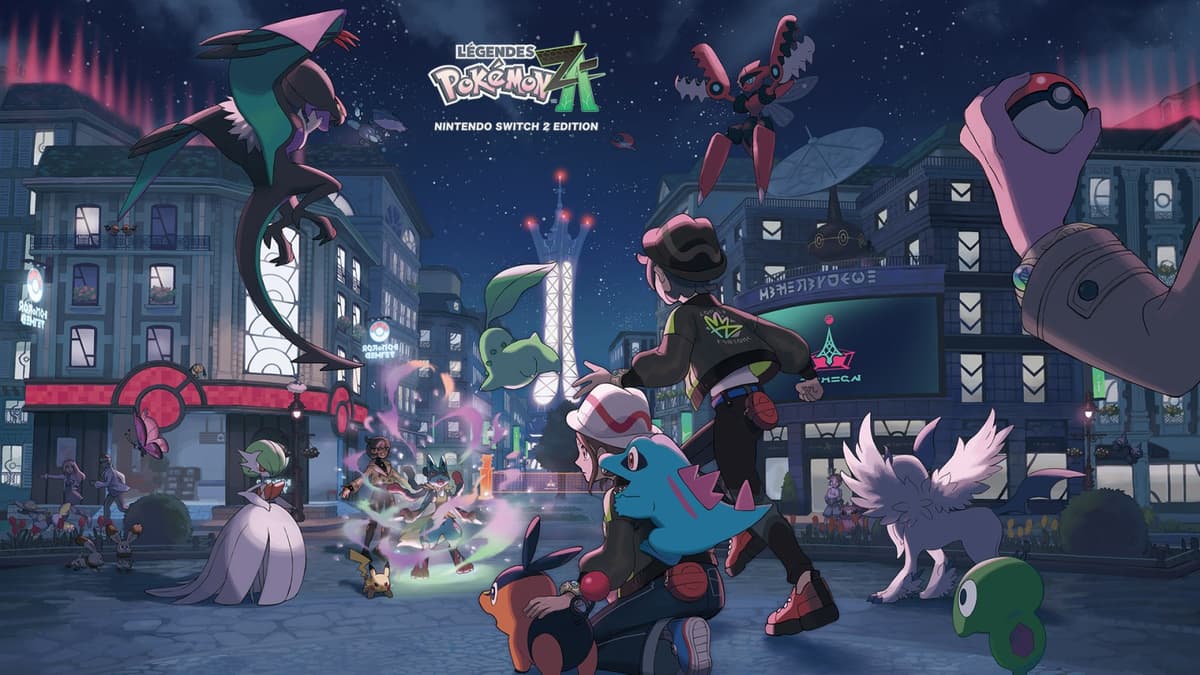
Légendes Pokémon Z-A
A new adventure awaits within Lumiose City, where an urban redevelopment plan is underway to shape the city into a place that belongs to both people and Pokémo…
I landed in Illumis with 25 years of Pokémon muscle memory and a healthy fear of “reinventions.” I’ve been catching pocket monsters since the indigo days, cheered when Legends: Arceus shook off the old dust, and grumbled through some lumpy open-world experiments after that. So when Pokémon Legends Z‑A promised real-time combat and a Parisian sprawl on Nintendo Switch 2, I braced for either a revelation or a train crash.
My first three hours were mostly vibes: soaking in Illumis’ neon, the shuffle of NPCs on wide boulevards, and the cozy hum of cafés that wink at the city-that-inspired-it. But the real moment it clicked came at hour four, in a cramped tram depot during my first encounter with a rampaging Mega-Ferox Lucario. The game asked me to forget everything I knew about turn order and think like an action player: read tells, dodge into safe angles, stutter-step in to land a move when the cooldown flashed ready, bail when the cone telegraph lit up the tiles. It was messy. It was thrilling. It felt new.
That feeling-unlearning and relearning Pokémon-carries Z‑A. It doesn’t fix everything. The city is often a gorgeous diorama you’re only allowed to peer into, and those “urban zones” you get for catching feel like curated terrariums more than habitats. But after 30 hours finishing the story (28 on my in-game counter, plus a couple poking at endgame), I left Illumis satisfied, a little frustrated, and weirdly hopeful about what Pokémon can be next.
The pitch is simple: no more waiting your turn. In practice, Z‑A’s real-time system lives somewhere between an action RPG and a tactical brawler. Your Pokémon’s four moves are mapped to the face buttons; cooldown timers bloom over the icons when you burn them. Dodging is on a single button with a generous-but-not-free invulnerability window. Lock-on helps wrangle the camera when fights get crowded. And your trainer isn’t just a backdrop-you physically position yourself to avoid sweeping attacks and reposition for support items. Size matters: the hitboxes for a massive Snorlax reach further than, say, a spry Greninja.
By hour six, I’d gravitated to a fast, slippery team: Greninja for hit-and-run water shurikens, Talonflame to bully aerial fliers, and a surprisingly clutch Aegislash that could anchor messy brawls with stance changes. There’s this specific “aha” when you cancel a greedy charge just in time to dash, then snap back to tag a weak point as your cooldown ticks green. Z‑A rewards those micro decisions. The layer of typing still matters—bring Electric for water nuisances, prep Steel when Fairies float in—but it’s your reads and position that decide whether you eat a Mega-Ferox beam or dance around it.
The standout fights are the Mega-Ferox battles. They echo Scarlet/Violet’s toughest raids, except here it’s your reflexes sweating. My best moment: a Mega-Ferox Gardevoir that spammed a delayed psychic nova. The first attempt, I panicked and rolled too early—boom. On the second, I clocked the cadence; by the third I was baiting the nova, kiting it into a corner, and unloading an entire rotation of moves into the brief stun window. That fight sells the vision of Z‑A. It’s Pokémon, but the pressure is on your thumbs as much as your team sheet.
It’s not perfect. The lock-on occasionally gets sticky in tight spaces, and crowd fights get messy when particle effects overlap. But as someone who’s lived in turn-based Pokémon for decades, I didn’t expect to actually prefer the real-time flow. I do here. The system has headroom for mastery, and I caught myself rerunning a couple Mega-Ferox fights just for the thrill of a clean no-hit finish. That’s a sentence I never thought I’d write about Pokémon.
Illumis breathes differently after dark. Shops pull down shutters, alleyways hum, and the underground Royal Z‑A tournament kicks off in backstreets and rooftops. On paper, it’s the perfect testbed for the new combat: 1v1 and squad matches that escalate as you climb the bracket. In practice, I kept bumping into the limits of these arenas. A lot of them are narrow—think stairwells, fire escapes, tight rooftops with AC units—and that cramps both the camera and movement.
There’s a particular match on a roof where my Scyther got body-blocked by a low rail and a vent fan. I could see the space, the enemy could path around it, but my ally Pokémon ping-ponged between objects like a Roomba trapped under a stool. Another time, a Machamp opponent wedged itself behind stacked crates and jittered there for half a minute while the timer ticked down. These aren’t game-breakers, but they pull you out of that great real-time flow.
The bigger problem is sameness. After ten nights of Royal Z‑A, I’d seen most of its bag of tricks. You go in for the experience and ladder climb, but outside the few narrative gates tied to it, there’s little reason to keep pushing. The fights in the better-designed rooftops show what this mode could be—eyes on the horizon, room to kite, clean sightlines. Too often, though, it’s night after night of “turn left, fight in a shoe box.” I dipped back in a couple more times to finish side goals, then let it go.
Let’s talk about the city. Illumis looks the part: broad avenues, café tables spilling onto sidewalks, wrought-iron balconies, parks tucked between boulevards, even joggers with their partners getting reps in. It feels inhabited in a way Pokémon cities rarely do. That matters. I spent a goofy amount of time just people-watching—yes, some of those folks are looping routines, but it tricks the eye well enough that you feel the bustle.
Then you start exploring, and the seams show. Illumis isn’t an open-world playground; it’s a curated city with lots of locked doors and scenic windows. The game makes a big deal of vertical exploration thanks to holoporters that snap you up to rooftops and terraces. That’s genuinely fun. I found hidden items tucked behind chimneys, a sneaky mini-challenge hopping air vents for a TM, and even a cheeky Noibat I chased across three buildings as the sun went down. Those moments felt great—just not frequent enough to define the experience.
The meat of your catching happens in unlocked “wild zones” that branch off the city as you progress. They’re tidy dioramas—seven-ish species per zone, a couple rarities seeded in. I appreciate the clarity (you can read a zone quickly and set a hunt plan), but it trims away the wanderlust. You don’t stumble into a “what’s over that hill?” moment when there is no hill, just a fence line. On a good day, a rare spawn or a weather twist shakes the snow globe; on a bad one, it feels like you’re ticking a list.
Side quests try to fill the “live in this city” fantasy, and some do. A café owner asked me to bring a Furfrou in a specific trim for a photo wall—perfectly Parisian, and it made me smile. A jogger wanted a Pokémon that could keep his pace and knew Quick Attack; I paired him with a Lilligant and felt oddly proud. Most are more transactional (“find this move,” “bring this type,” “fetch this item”). They’re short and snacky, which helps. Just don’t expect narrative sidequests that spiral into unexpected places.
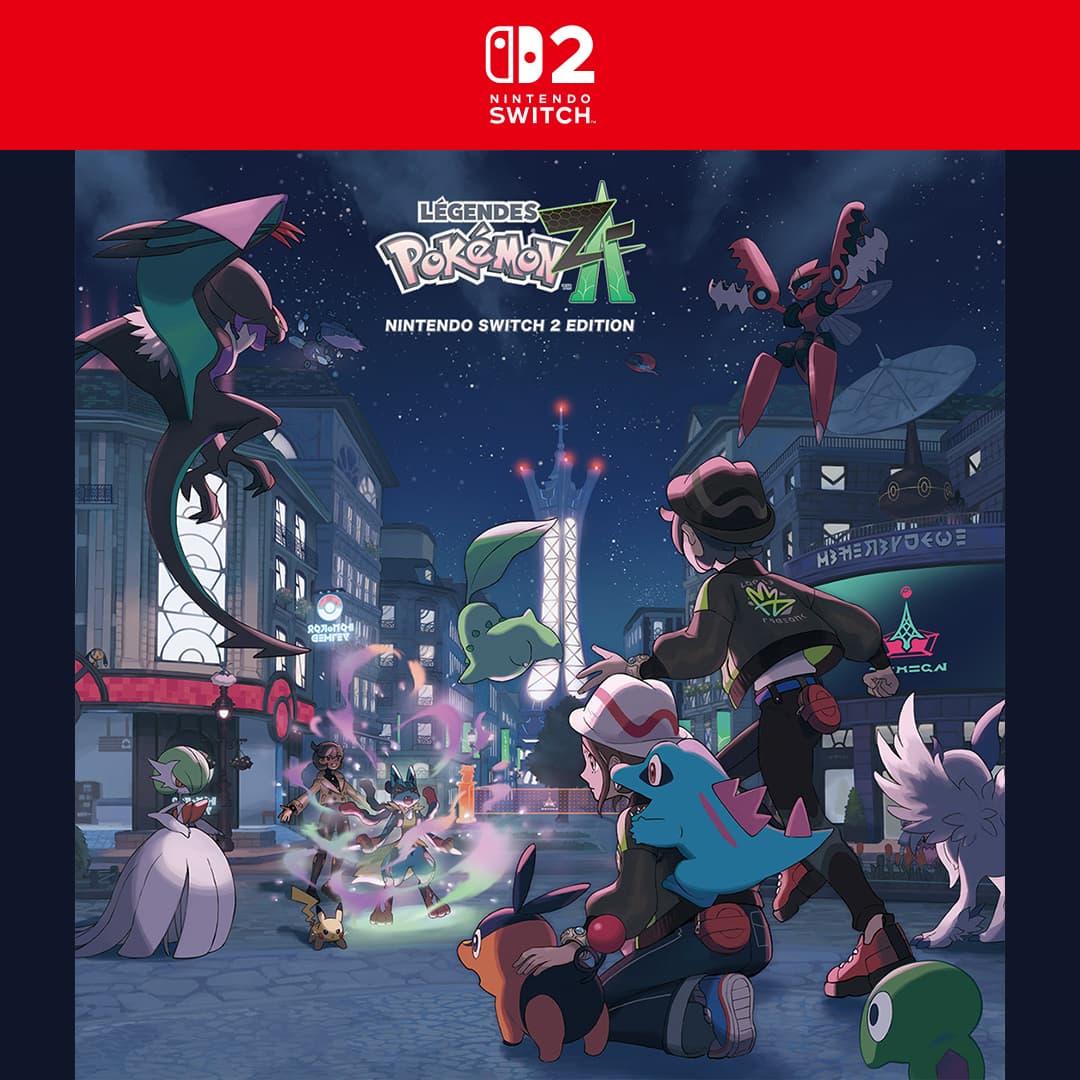
Z‑A’s tight zones do something interesting for team building: you adapt to what the city hands you, not a sprawling continent’s worth of options. I started with a Kalos-flavored core (Fletchling into Talonflame, Froakie into Greninja), then filled gaps from zone unlocks. When the coastal area opened, I hunted a stubbornly rare Helioptile because I needed a flexible Electric that wasn’t a glass cannon. In the wooded outskirts, I nabbed a Hawlucha I initially wrote off, only to discover its mobility was a godsend in cluttered arenas.
The real-time move meta encourages experimenting. Some bread-and-butter attacks now place ground effects with short fuses, others create arcs or cones that reward flanking. I started valuing seemingly “weaker” moves that came off cooldown faster, chaining them into safe pressure rather than gambling on a slow, meaty hit. When a Mega-Ferox fight demanded it, I’d swap in a tankier pick just for the passive breathing room. It reminded me of learning a new action game—shuffle your kit until the muscle memory sticks.
The story leans into a theme Pokémon has been chasing for years: humans and Pokémon shaping a city together—sometimes clumsily, sometimes beautifully. You roll into Illumis as a tourist, get roped into a daytime urban planning initiative, and moonlight as a Royal Z‑A hopeful under neon. It’s campy in the best way, and the writing has a light touch that kept me tapping through dialogue instead of mashing A.
What surprised me most: the character work. NPCs have small, sticky quirks—an earnest planner allergic to compromise, a smug rival whose bravado cracks during a Mega-Ferox panic, a veteran trainer who uses throwaway urban trivia to teach you real combat instincts. The jokes land more often than not. There were at least two exchanges that made me wish Z‑A had full voice acting. It doesn’t. And after a few big, emotional beats near the end, you can feel the ceiling that puts on the performances. Maybe next time.
I played mostly docked on a Switch 2 and split a few hours handheld on the couch. Either way, the frame rate held steady at 60. Even during the busiest Mega-Ferox dust-ups—particles everywhere, telegraphs, adds joining the fray—it didn’t hitch on me. That stability matters because so much of this combat depends on timing. When your dodge input is your lifeline, a dropped frame is a betrayal; I didn’t experience that.
Visually, Z‑A punches above what I expect from a Pokémon game. Not because it’s suddenly cutting-edge, but because it feels considered and clean. There are still spots that look flat (I laughed when I realized an ornate door might as well be a painted texture), and the draw distance from rooftops is soft, which makes planning a rooftop-to-rooftop route harder than it should be. Once, I stood above a plaza trying to spot a holoporter I knew was there and just couldn’t parse it in the haze. Also, a heads-up: distant railings and cables shimmer a bit in handheld. None of it ruins the vibe; all of it keeps Z‑A from being the visual breakout some hoped for.

I did catch a couple hiccups: pathfinding gremlins during Royal Z‑A nights (a Golem decided a knee-high planter was an impassable wall) and an enemy getting stuck on geometry for half a minute. Outside those tight arenas, the streets felt solid—no hard crashes, no save-eating bugs in my run. The city density sells the illusion: joggers looping, trainers chatting, a Pichu tugging at someone’s backpack. It’s not truly simulated, but it’s a step closer to “lived-in” than most Pokémon hubs.
By hour ten, a few subtle systems had fully rewired my habits:
There’s a pleasing friction to all this. I never felt like I was just mashing through fights. Even easy encounters became mini sandbox labs to test spacing and confirms. If you’ve ever wished Pokémon asking more from you than team comp, Z‑A obliges.
I can’t sugarcoat the exploration ceiling. Illumis is a stage set with clever exits, not a metropolis you can truly rummage through. The holoporters help—riding them to rooftops, poking into courtyards—but the game rarely trusts you to break its routes. Wild zones are cleanly designed but boxed. Side quests are plentiful but repetitive. When the story nudges you, the city feels exciting; when you go looking for trouble, you mostly find to-do lists.
The paradox is that this limitation also enables the solid performance and polish. By concentrating on a single city, Game Freak holds the frame rate, keeps scenes bustling, and gets the combat feeling crisp. I respect that trade. I still felt the walls.
Pokémon Legends Z‑A is the most fun I’ve had with Pokémon combat in ages, and it makes a strong case for a future where battles are as much about dexterity and space as they are about typing and move lists. Illumis is lovely to inhabit, lively to look at, and clever in vertical slices. The catch is that the city won’t truly let you loose, and the Royal Z‑A format doesn’t fully capitalize on how good the fighting can feel when it has room to breathe.
If you can live with a beautiful cage around a brave new battle system, you’ll have a great time. I did. I just kept glancing at the horizon and wanting the game to say, “Go ahead—jump the fence.”
Final score: 8/10
Get access to exclusive strategies, hidden tips, and pro-level insights that we don't share publicly.
Ultimate Reviews Strategy Guide + Weekly Pro Tips