
Pokémon Legends Z-A’s Monster Launch: 5.8M Sold, 60 FPS Promise, and What Actually Changed
Game intel
Légendes Pokémon Z-A
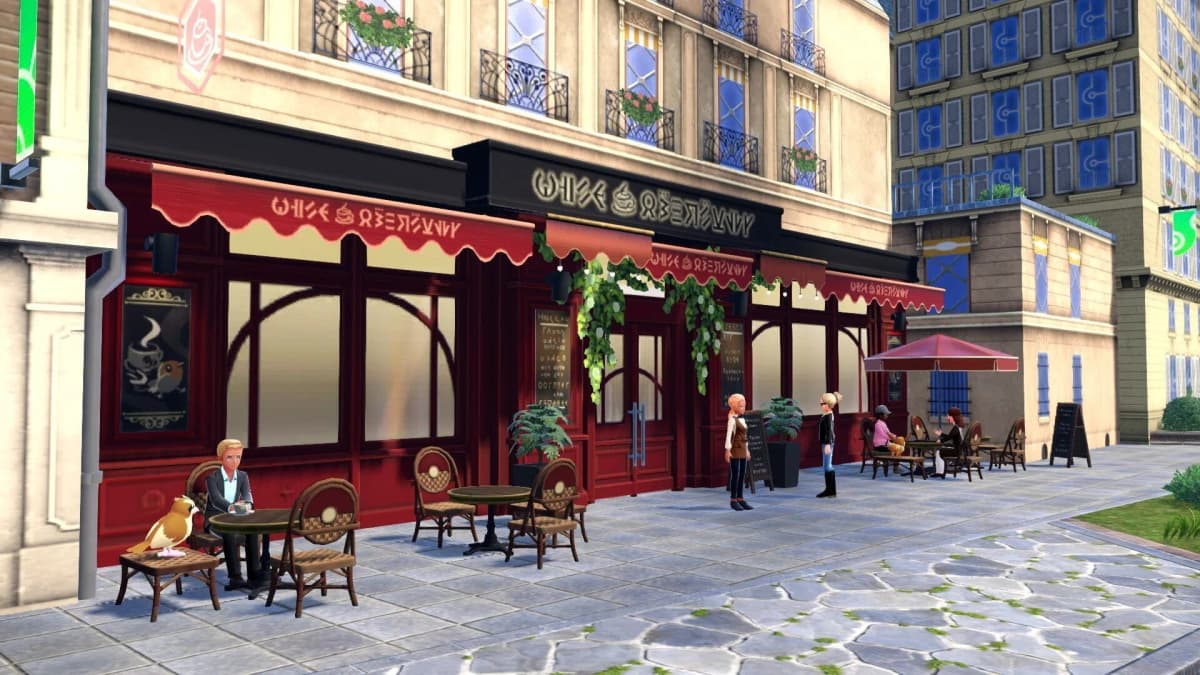
A new adventure awaits within Lumiose City, where an urban redevelopment plan is underway to shape the city into a place that belongs to both people and Pokémo…
Pokémon Legends Z-A Just Posted a Massive Week One – Here’s Why That Matters
Pokémon doesn’t usually need help selling, but this one still turned my head. Pokémon Legends Z-A launched on October 16 for both Nintendo Switch and the new Switch 2 and racked up 5.8 million copies in its first week – with roughly half of those on Switch 2. That split says a lot. It’s not just brand momentum; it’s players looking for a cleaner, smoother Pokémon after the technical messiness of Scarlet & Violet. A steady 60 FPS claim and a refined, semi-open structure tell me Game Freak has learned from the Legends: Arceus experiment and is doubling down on what worked.
Key Takeaways
- 5.8 million sold in week one, with about half on Switch 2 – a vote of confidence in the new hardware and this direction for Pokémon.
- Semi-open exploration returns, focusing on curated zones over a fully freeform map — stability over sprawl.
- Enriched combat builds on Legends DNA, aiming for more tactical choices without overwhelming complexity.
- A 60 FPS promise is the headline, but watch which platform(s) consistently hit it and at what cost to detail.
Breaking Down the Launch
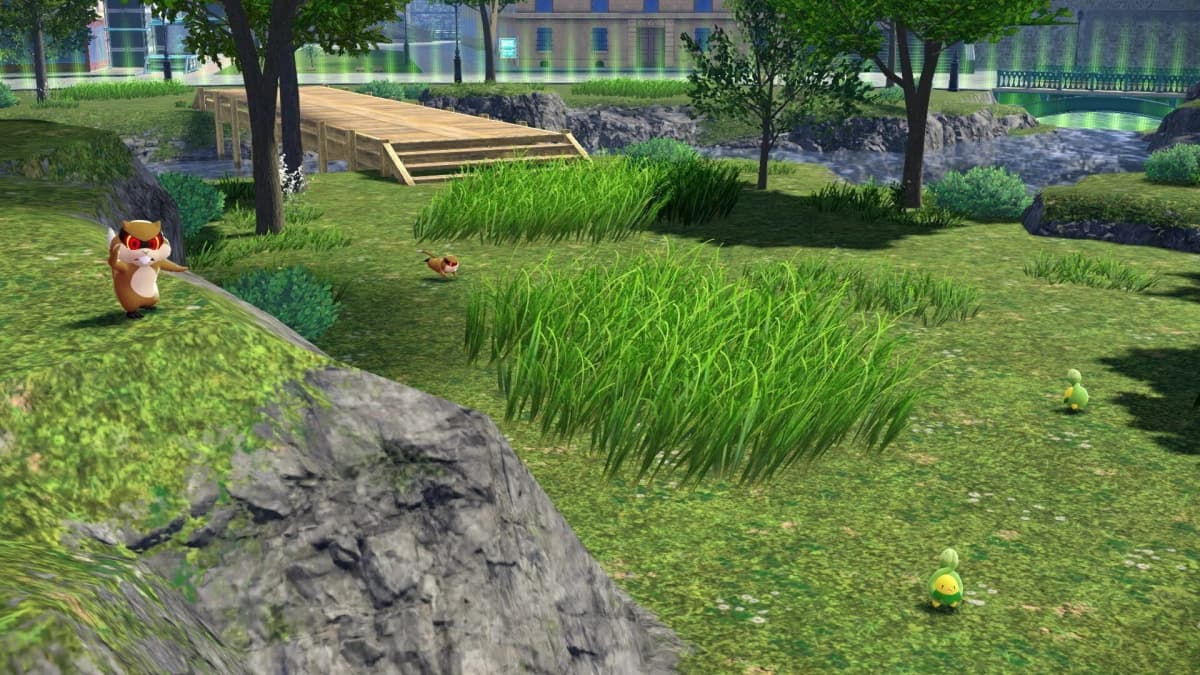
The pitch is familiar if you played Arceus: explore broad, semi-open regions, observe and engage Pokémon in the field, and approach encounters your way. Z-A leans into that philosophy with more flexible traversal and faster moment-to-moment flow. The combat has been “enriched” — the kind of phrasing that usually sets off alarm bells — but here it seems to translate to clearer tempo control and more meaningful trade-offs per turn. If Arceus was the proof-of-concept, Z-A is the production model: fewer seams, more intent.
The bit everyone’s talking about is performance. A stable 60 FPS is a huge deal for Pokémon, a series that’s historically treated framerate as a nice-to-have. Smooth motion doesn’t just look better — it changes how you play. Dodges feel reliable, read timing improves, and the whole capture-and-battle loop becomes snappier. Given the split sales, it’s fair to assume the Switch 2 is doing heavy lifting here. The open question is whether the original Switch holds a consistent line or compromises with lower frame targets and detail. Game Freak isn’t saying, so keep an eye on platform comparisons.
The Real Story: Stability Over Spectacle
Let’s be honest: Pokémon’s recent technical track record made “stable” a feature. Z-A’s semi-open structure is a pragmatic choice. Instead of chasing Tears of the Kingdom-scale freedom, it opts for curated zones that stream reliably and keep encounter density sensible. That typically means fewer pop-in headaches, less egregious hitching, and a camera that behaves when a flock of wild Pokémon decides to dogpile you. The trade-off? You won’t get the same open-world chaos or emergent stories that a truly seamless map can produce.
The weak spots are familiar too. AI routines still feel basic, with predictable patrols, short leashes, and line-of-sight logic that’s easy to game once you learn it. Environmental detail is serviceable rather than lush — think clean silhouettes and readable landmarks instead of dense foliage or complex urban layers. That’s fine for visibility and performance, but it also means fewer “wow, what’s over there?” moments, the kind that turn exploration into obsession.
How Z-A Evolves the Legends Formula
What I like about the Legends branch is the player-first loop: observe, plan, act, and adapt. Z-A seems to lean further into that cadence. Battles are still turn-based at heart, but the tempo is more flexible, letting you play for initiative or power based on context. If you bounced off older Pokémon because they felt sluggish, this direction feels fresher — there’s less friction between seeing a target in the world and engaging it in a meaningful way.
This caught my attention because it looks like Game Freak’s real course correction. Arceus was bold but rough; Scarlet & Violet swung bigger and buckled under the weight. Z-A narrows the scope to deliver consistency: tighter zones, better framerate, clearer systems. It’s not the radical reinvention some people keep hoping for, but it’s the right kind of evolution for a series that’s finally acknowledging how much “feel” matters.

What Gamers Need to Know Before Jumping In
- Performance is the headline feature. If you own a Switch 2, this looks like a day-one showcase of what Pokémon can feel like at 60 FPS.
- Expect curated exploration, not a seamless sandbox. That means reliable pacing but fewer off-the-grid surprises.
- Combat depth is up without drowning you in spreadsheets. If you enjoyed Legends-style tactical choices, you’ll feel at home.
- Temper expectations on AI and environmental richness. The world is readable and practical, not a technical showpiece.
Why This Matters Now
Half the sales landing on Switch 2 in week one is wild and speaks to two truths: the new hardware has momentum, and Pokémon players are hungry for a smoother, more responsive experience. If Z-A sticks the landing post-launch, don’t be surprised if this becomes the baseline template — more Legends-style entries that prioritize tempo, clarity, and stable performance over sprawling ambition that the engine can’t carry.
TL;DR
Pokémon Legends Z-A is a big, confident step for the series: 5.8 million sold, a 60 FPS promise (especially compelling on Switch 2), and a tighter, smarter take on exploration and combat. It’s not a tech flex so much as a course correction — and for players who care about how a game feels minute to minute, that’s the right call.