

Pokémon Legends: Z-A’s Rumored $13M Budget vs CoD Money Pit — The Real Story for Players
Game intel
POKEMON LEGENDS: Z-A
A new adventure awaits within Lumiose City, where an urban redevelopment plan is underway to shape the city into a place that belongs to both people and Pokémo…
Pokémon’s “Cheap to Make, Expensive to Buy” Strategy Just Got Receipts
A leak claims Pokémon Legends: Z-A cost around 2 billion yen-about $13 million-to develop. That number caught my eye because it lines up with what long-time Pokémon players have felt for years: Game Freak builds relatively lean games that still sell like crazy, thanks to a franchise that makes most of its money outside the cartridge. And when you stack that rumored $13M next to the nine-figure budgets fueling the next Call of Duty, the contrast says a lot about where the industry is right now.
Key Takeaways
- If the ¥2B (~$13M) figure is accurate, Z-A costs a fraction of a modern AAA-by design, not accident.
- Pokémon’s real profit engine is merchandising and the TCG; the games are the IP heartbeat, not the sole moneymaker.
- The viral “53x cheaper than Call of Duty” stat is more sizzle than steak—ratios depend on what costs you count.
- Low budgets can mean faster releases, but players still want technical polish after Scarlet/Violet’s rough launch.
Breaking Down the Numbers (and the Hype)
First, a reality check: neither The Pokémon Company nor Game Freak publicly disclose budgets. So ¥2B for Pokémon Legends: Z-A is still “according to leaks,” not a 10-K filing. That said, $13M feels plausible for Game Freak’s model—modest team size, stylized visuals, heavy tech reuse, and a scope that avoids the photoreal chase that eats studios alive.
On the other side, the next Call of Duty is a mega-project with multiple studios, bleeding-edge tech, and a live service ecosystem tied into Warzone. Development plus global marketing routinely climbs well into the hundreds of millions. Comparing $13M to that? You’re comfortably in “dozens of times cheaper” territory. The viral “53x cheaper” headline hinges on which CoD costs you include (dev only vs. dev + marketing + live ops). It’s a spicy number, but don’t treat it like audited accounting.
There’s also pricing: Pokémon tends to launch at $59.99, while CoD lives at $69.99 with premium editions stretching higher. When your dev cost is a fraction of a big AAA and your sticker price is basically the same, your break-even point is laughably low by comparison.
Why Pokémon Can Spend Less and Still Win
Pokémon has a structural advantage most publishers dream about. The brand is a lifestyle, not just a game SKU. The trading card game is a juggernaut; plushies, apparel, and TV/film keep the IP omnipresent. That means the games don’t have to carry the entire business on their back. They just need to sustain the world and inject new creatures and regions the wider machine can monetize.
- Stylized art and stable tech: Pokémon doesn’t chase ray-traced hair strands. Lower asset fidelity equals lower costs and shorter pipelines.
- Repeatable structure: Towns, routes, turn-based combat, and collection loops are evolution, not reinvention, every generation.
- Predictable cadence: Regular releases keep the TCG, anime, and merch synchronized without ballooning teams for five-year dev cycles.
- Network costs: No massive free-to-play battle royale to support. Online exists, but it’s not a Warzone-scale money furnace.
In other words, Pokémon’s “mid-budget premium” approach prints profit. Even if Z-A truly cost $13M, a few million units at $60 each puts it solidly in the black before you even count DLC or the avalanche of Pikachu plush.
The Catch: Fans Still Expect Better Polish
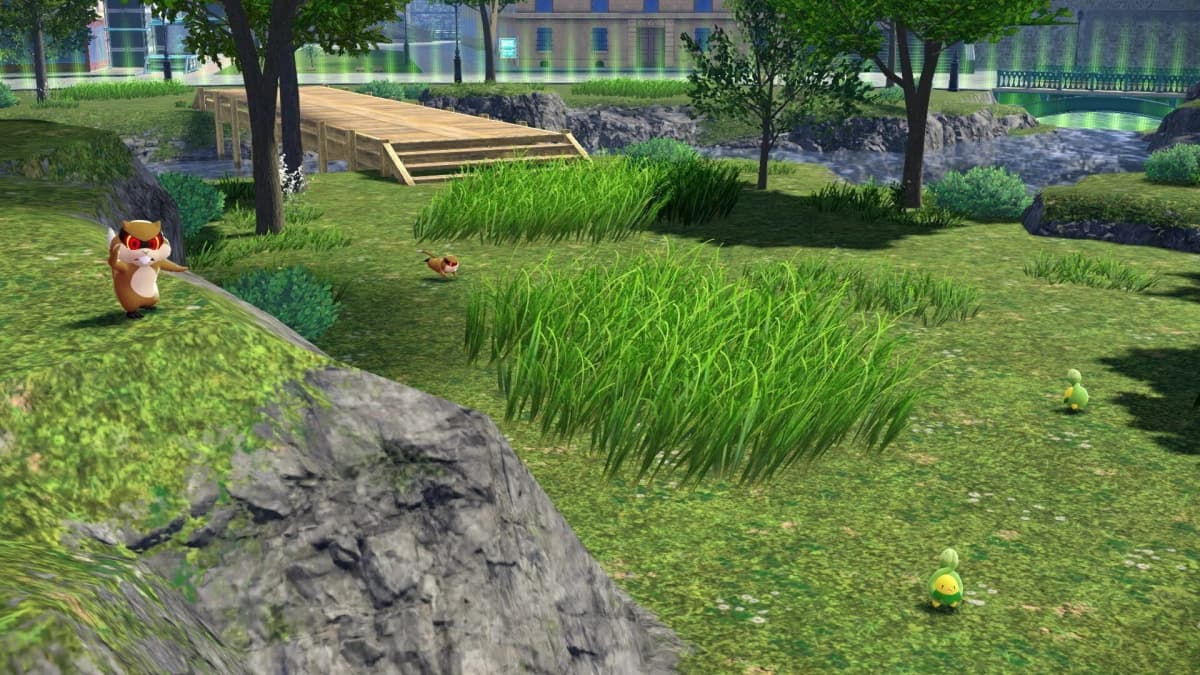
Here’s where the conversation gets uncomfortable. Scarlet and Violet sold like crazy, but they launched with performance issues you could see from space—pop-in, frame drops, and bugs that felt below Nintendo’s usual bar. The series’ “good-enough tech” playbook keeps budgets tight, but it also tests player patience on modern hardware.
Pokémon Legends: Z-A has a chance to reset that narrative. A focused city setting (Lumiose) could be a smart scope choice: denser content over sprawling empty space, better performance targets, and more time to polish traversal, AI, and UI. If Game Freak channels that rumored budget into tighter art direction, smarter streaming, and fewer headaches, players will feel the difference even without cutting-edge graphics.

Want to Level Up Your Gaming?
Get access to exclusive strategies, hidden tips, and pro-level insights that we don't share publicly.
Ultimate Gaming Strategy Guide + Weekly Pro Tips
What This Means for Players Right Now
- Don’t expect a tech showcase. Expect a refined loop, new twists on catching and battling, and a vibe-forward art style.
- Value will come from content density and stability, not visual spectacle. A clean 30 fps and fewer bugs would be a win.
- Price probably holds at $59.99. DLC is likely, because it extends the ecosystem and keeps the TCG/anime pipeline humming.
- If you’re burned by Scarlet/Violet’s performance, wait for reviews. Pokémon’s brand gravity guarantees sales; your wallet doesn’t have to.
Looking Ahead
The bigger industry story is divergence. One path is ballooning budgets, layoffs, and live-service dependency. The other is Nintendo and partners like Game Freak, who keep budgets sane, scope disciplined, and profits healthy through cross-media strength. Pokémon Legends: Z-A—if that $13M rumor is close—shows how powerful that second path can be. But to keep player trust, Game Freak needs to spend a bit more of those savings on polish. The IP will sell the game; quality will sell the next one.
TL;DR
Leaked budget puts Pokémon Legends: Z-A at around $13M—tiny next to Call of Duty, and exactly how Game Freak likes it. That model works because the brand makes most of its money outside the game. Just give us a smoother, more polished release this time, and the “cheap to make, wildly profitable” cycle will keep rolling.