
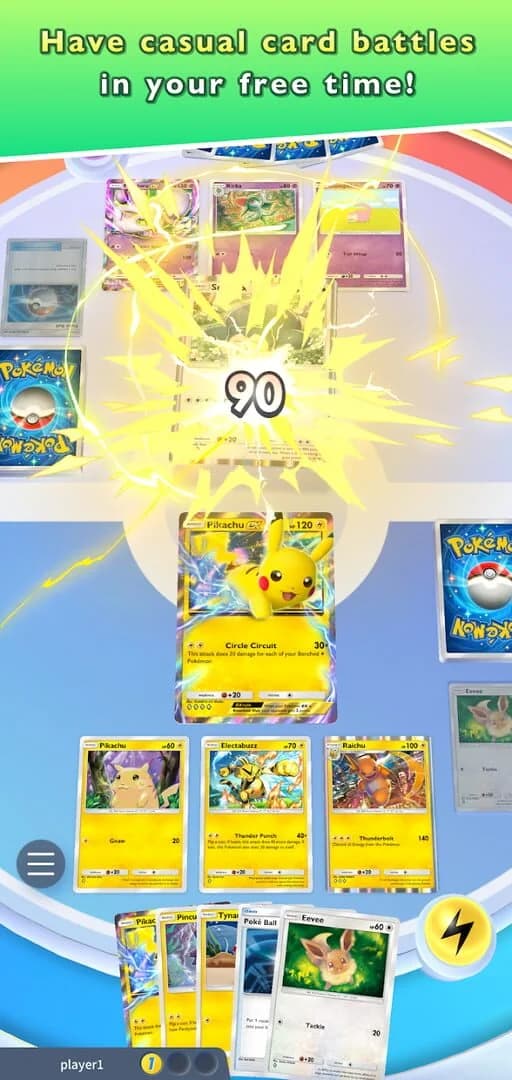
Pokémon Trading Card Game Pocket ranked games are currently decided early: the leading EX and Mega shells can produce roughly 80 to 140 damage by turn two with minimal energy. Mega Rayquaza ex, Vespiquen ex, and Puppy Pile each answer that pressure differently. Mega Rayquaza converts the discard pile into repeatable burst damage, Vespiquen ex trades bench space for 140-damage swings, and Puppy Pile tries to establish a knockout before the opponent’s engine is online.
The important distinction is setup tolerance. Mega Rayquaza ex has the highest ceiling but needs its Dragonair and Rainbow Cave loop. Vespiquen ex is the most stable list when games become a series of trades. Puppy Pile has the fastest pressure, but its small attackers rarely survive a meaningful counterattack.
Table of Contents (16)
Choose the deck by its win condition
| Deck | Primary payoff | Best opening position | Best into | Main failure point |
|---|---|---|---|---|
| Mega Rayquaza ex | Discard Fire and Lightning Energy for 50 damage per Energy, then rebuild through Dragonair. | Dratini or Swablu, plus access to Rainbow Cave or draw. | Slower EX and Mega decks that allow time to establish the energy loop. | Missing Dragonair, color fixing, or enough Energy for a decisive attack. |
| Vespiquen ex | Discard a benched Pokémon to reach its 140-damage mode without conceding points for that Pokémon. | Shuckle ex active with Combee and Vespiquen ex developing on the Bench. | Decks that trade repeatedly and cannot cheaply punish Combee. | Combee is exposed, and the list has a narrow central plan. |
| Puppy Pile | Stack the shared Puppy Pile attack bonus across cards in hand and on the board. | Magby active, with several Puppy Pile cards available immediately. | Targets with exploitable weakness and decks that need several turns to develop. | Very low durability once the first attack fails to secure tempo. |
Opening rules: do not plan around a voluntary mulligan
A common ladder mistake is treating Pokémon TCG Pocket like a paper format where a merely awkward opener can be thrown back. A mulligan occurs when the opening hand has no Basic Pokémon. If you open one legal Basic but lack a Stadium, draw card, or ideal support piece, that is the hand you play.
This makes basic density and early consistency unusually valuable in a 20-card deck. Professor’s Research, Copycat, and Poke Ball reduce the number of games lost before the deck’s payoff is active. Sabrina and Cyrus serve a different role: preserve them when a forced switch can expose a damaged or weak target rather than using them without a point-winning reason.
- Prioritize an active Basic Pokémon and at least one useful Bench development over holding cards for a perfect sequence.
- Use Poke Ball early when it converts a weak opening into a real board; do not save it merely because a better target may exist later.
- Count the opponent’s likely turn-two damage before committing a fragile support Pokémon to the Active spot.
- Do not fill the Bench automatically. Each of these decks has a specific Bench requirement, and an unnecessary low-HP Pokémon can become a Cyrus target.
Mega Rayquaza ex: the Dragonair energy loop
Mega Rayquaza ex is the technical choice of the three. Its Fire and Lightning attack requirement is manageable only when Rainbow Cave corrects the automatic Energy flow and Dragonair retrieves discarded Energy. The deck becomes dangerous once those two functions overlap: Energy used for an earlier attack is no longer permanently gone, and each turn can add both the normal generated Energy and one recovered Energy.
20-card Mega Rayquaza ex baseline list
This compact list keeps the Dragonair, Altaria, and Rainbow Cave core while leaving enough Trainer space to find it consistently. Set the deck’s generated Energy to Fire and Lightning; basic Energy cards are not included in Pokémon TCG Pocket deck lists.
| Card group | Cards | Total |
|---|---|---|
| Pokémon | 1 Mega Rayquaza ex, 2 Dratini, 2 Dragonair, 2 Swablu, 2 Altaria, 1 Pichu | 10 |
| Trainers | 2 Professor’s Research, 2 Poke Ball, 2 Rainbow Cave, 1 Copycat, 1 Sabrina, 1 Cyrus, 1 May | 10 |
How the damage loop works
Mega Rayquaza ex discards all Fire and Lightning Energy attached to it when it attacks, dealing 50 damage for each Energy discarded. Two Energy establishes a 100-damage floor; three reaches 150; four reaches 200. The attack can scale higher, but the correct number is the number that takes the knockout while leaving the next turn recoverable.

- Develop Dratini and Swablu early. Dratini is the priority because Dragonair is the card that converts the discard pile into usable Energy.
- Deploy Rainbow Cave as early as possible, then use it to keep future automatic Energy generation aligned with Fire and Lightning needs.
- Use Professor’s Research, Copycat, and Poke Ball to find Dragonair, Mega Rayquaza ex, and the remaining evolution pieces instead of waiting for natural draws.
- Once Dragonair is in play, retrieve one Energy from the discard to your Active Dragon each turn while automatic Energy generation continues.
- Use Mega Rayquaza ex only after calculating the knockout. A 100-damage attack that leaves the opposing attacker alive strips Rayquaza of its Energy and often hands over the tempo.
Dragonair is limited to one recovered Energy per turn, so do not treat the discard pile as unlimited acceleration. The deck can rebuild after a large Mega Rayquaza ex attack, but it rebuilds in increments. Against a fast opponent, a smaller knockout followed by a clean recovery line is often stronger than discarding four Energy for excessive damage.
Opening priorities and sequencing
The preferred opening contains Dratini or Swablu, then either Rainbow Cave or a draw/search card. Start setting the Bench before committing resources to a secondary attacker. Altaria is valuable as a bridge attacker while Mega Rayquaza ex is being prepared, which prevents the list from collapsing whenever Rayquaza is not ready on schedule.
- Keep the second Rainbow Cave relevant. The first copy establishes the plan; the second protects it if the Stadium is replaced.
- Do not discard blindly with Professor’s Research. Fire and Lightning in the discard can later become resources through Dragonair, but losing the only evolution piece or only Mega Rayquaza ex is a real cost.
- Use Sabrina or Cyrus to convert damage into points. Rayquaza’s burst is most efficient when it hits the target that actually matters.
- Accept slower starts against early pressure. If the opponent threatens a fast knockout, develop enough of the Dragon line to preserve a rebuild instead of gambling every card on one oversized Mega Burst.
Vespiquen ex: trade Bench cards for clean 140-damage turns
Vespiquen ex is the most straightforward ranked choice when the field is full of decks trying to win through repeated exchanges. Its central attack reaches 140 damage by discarding one of your own benched Pokémon. That discard does not award the opponent points, so a damaged or vulnerable Bench Pokémon can become damage output instead of a liability.
20-card Vespiquen ex list
| Card group | Cards | Total |
|---|---|---|
| Pokémon | 2 Combee, 2 Vespiquen ex, 2 Shuckle ex, 1 Teal Mask Ogerpon | 7 |
| Trainers | 2 Fragrant Forest, 2 Professor’s Research, 2 Copycat, 2 Leaf Cape, 1 X Speed, 1 Field Blower, 1 Erika, 1 Cyrus, 1 Mars | 13 |
Grass is the only Energy setting required. This matters because Vespiquen ex asks for much less Energy management than Mega Rayquaza ex. The list spends its deck slots on durability, hand quality, and getting the Combee-to-Vespiquen line established before the opponent can isolate Combee.
Correct Vespiquen ex game plan
- Start Shuckle ex whenever possible. Its job is to absorb early pressure while the Bench is assembled.
- Bench Combee promptly, then use Fragrant Forest, Professor’s Research, Copycat, and Poke Ball-equivalent search access from your available cards to reach Vespiquen ex without delaying the evolution.
- Keep at least one expendable Bench Pokémon available before planning the 140-damage attack.
- Use the bench discard to remove a damaged Pokémon, a low-value support body, or a Pokémon the opponent is preparing to pull forward.
- Protect Vespiquen ex with Leaf Cape and healing support when the game becomes a multi-turn exchange.
Teal Mask Ogerpon is included for status protection. That matters against sleep-oriented lists and other strategies that attempt to steal a turn rather than win through raw damage. It is a utility slot, not the card that should dictate the entire opening.
What loses Vespiquen ex games
Combee is the structural weakness. Do not leave one exposed without a route to evolve it, particularly when the opponent has access to Bench disruption. The deck is also linear: if Vespiquen ex is unavailable, Shuckle ex can buy time but cannot replace the main damage plan indefinitely.
- Do not discard the last Bench Pokémon if it leaves Vespiquen ex exposed to a forced-switch effect on the following turn.
- Do not treat every Bench card as disposable. Preserve the Pokémon needed to evolve the next Vespiquen ex.
- Use Field Blower for an actual tempo swing, such as removing a defensive tool before a 140-damage knockout.
- Use Cyrus after damage has created a vulnerable Bench target; it is strongest when it converts a two-turn plan into an immediate point.
Puppy Pile: force the first knockout before the board stabilizes
Puppy Pile is the direct aggression deck. Its relevant attackers gain power from other Puppy Pile cards across your hand and board, so the opening objective is density: establish several names, maintain cards in hand where required, and attack before an EX deck can build a durable attacker. The reward is early knockout pressure. The price is that almost every attacker is fragile.
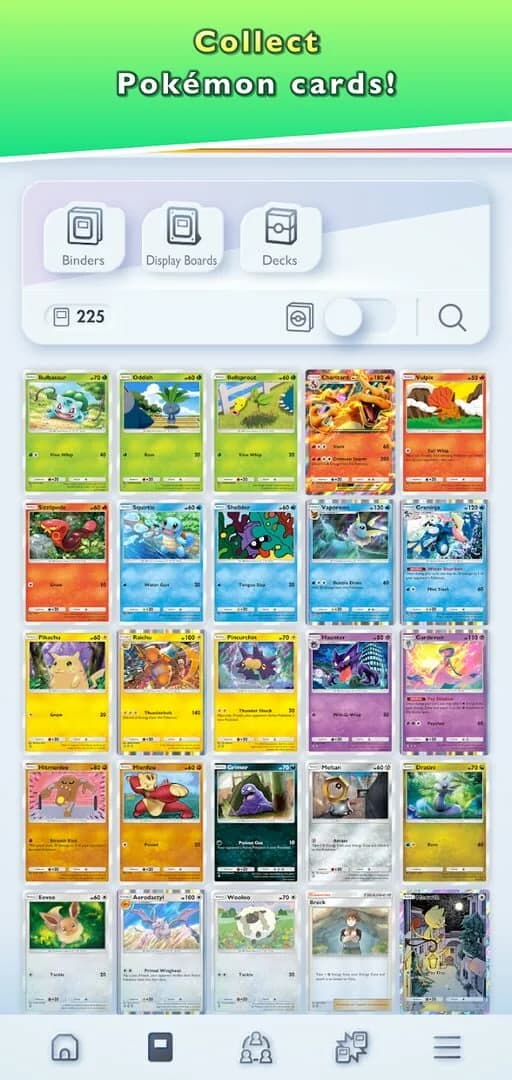
20-card Puppy Pile list
| Card group | Cards | Total |
|---|---|---|
| Pokémon | 2 Magby, 2 Growlithe, 2 Rockruff, 2 Fidough, 2 Yamper | 10 |
| Trainers | 2 Poke Ball, 2 Flame Patch, 2 Professor’s Research, 1 Cyrus, 1 Copycat, 1 Puppy-Loving Girl, 1 Bounded Field | 10 |
Set the deck to generate Fire Energy. Magby is the ideal active opener because it helps power the Bench and supports the desired turn-two strike. Flame Patch adds more Energy circulation, allowing the deck to stay aggressive after the first attacker is removed.
How to pilot the first three turns
- Lead Magby when available. If Magby is absent, establish the widest safe Puppy Pile board possible and use Poke Ball or Professor’s Research to improve the next turn.
- Bench different Puppy Pile attackers early so the shared attack bonus has enough cards to count from both hand and board.
- Use Fire Energy, Magby, and Flame Patch to reach the first meaningful attack as quickly as possible.
- Check the opponent’s Weakness before choosing the attacker. Puppy Pile’s variety of types allows it to punish a wider range of targets than a single-type deck.
- Play Bounded Field before a weakness-based knockout turn, where its damage increase turns a near-knockout into a clean knockout.
Do not play Puppy Pile as a value deck. It does not have the durability to trade evenly with large EX attackers for several turns. Its best games are the ones where the opponent is forced to respond to an early knockout threat, spends resources awkwardly, and never gets the board space or Energy timing needed for a clean counterattack.
How to avoid losing momentum
- Do not split resources across attackers without a reason. One immediate knockout threat is more valuable than three underpowered Pokémon.
- Do not sacrifice hand size carelessly. Puppy Pile damage depends on the relevant cards remaining across hand and board.
- Use Professor’s Research to increase density, not after emptying every useful Puppy Pile card onto the Bench.
- Plan for the return knockout. The first attacker may fall immediately, so have Fire Energy circulation and a second attacker ready before committing to the opening swing.
Matchup rotation for a shifting ranked field
These three lists should not be treated as interchangeable. Rotate to the deck whose setup requirement the opponent is least able to punish. Mega Rayquaza ex is the high-ceiling answer when slower EX and Mega decks give Dragonair time to operate. Vespiquen ex is the safer choice when games are likely to become repeated trades and a protected Shuckle ex can buy the required setup turn. Puppy Pile is the pressure pick when the field is vulnerable to weakness exploitation or is relying on slow, multi-piece development.
| If the opposing deck is doing this | Use this deck | Reason |
|---|---|---|
| Building one large attacker over several turns | Mega Rayquaza ex | Dragonair gives Mega Rayquaza ex time to assemble a larger knockout turn. |
| Trading attackers and targeting fragile Bench Pokémon | Vespiquen ex | Vespiquen ex can turn a threatened Bench Pokémon into 140 damage before it gives up points. |
| Showing an exploitable weakness or taking a slow first turn | Puppy Pile | Bounded Field and the spread of attacker types create the best chance to seize tempo immediately. |
| Applying 80 to 140 damage by turn two | Vespiquen ex or Puppy Pile | Choose Vespiquen ex for a more durable board and Puppy Pile only when the early knockout line is realistic. |
Upgrade priorities when cards are missing
For Mega Rayquaza ex, acquire the second Dragonair and both Rainbow Cave before adding optional attackers. The deck’s entire advantage comes from color correction and one-Energy-per-turn discard recovery. A secondary Dragon cannot replace either function.
For Vespiquen ex, prioritize the two Combee, two Vespiquen ex, two Shuckle ex, and two Fragrant Forest. Those cards establish the active-wall-to-bench-evolution structure. Leaf Cape, healing, and disruption refine favorable trades after the core is complete.
For Puppy Pile, complete the two-copy sets of Magby, Growlithe, Rockruff, Fidough, and Yamper first. The deck’s damage and weakness coverage both degrade when its shared attack package is incomplete. Flame Patch and Bounded Field are the next upgrades because they preserve the only resource Puppy Pile consistently needs after its first attacker is removed: immediate offensive tempo.
FinalBoss // Gear
Level up your setup
01Best-selling Switch 2 gameson Amazon→02Switch 2 accessorieson Amazon→038BitDo controllerson Amazon→04Discounted game keyson Kinguin→
Affiliate links · As an Amazon Associate, FinalBoss earns from qualifying purchases.
Want to Level Up Your Gaming?
Get access to exclusive strategies, hidden tips, and pro-level insights that we don't share publicly.
Ultimate Guide Strategy Guide + Weekly Pro Tips