
Table of Contents (14)
Why the Défi initiation Feels Overwhelming (and Why It Doesn’t Have To)
After spending my first 15-20 hours in Pokopia, the Défi initiation at the Terrassec lighthouse quietly turned into the backbone of my whole save. I kept bouncing back to the intercom, only to realize I was missing one weird material that was on the other side of the map. The breakthrough came when I stopped treating it like a side errand and started planning it as a long-term resource checklist.
This guide walks through every stage of the Défi initiation, explains where each item comes from, and how to batch your farming and crafting so you don’t keep backtracking between Terrassec, Grisemer, Collinangle and Flotîles-Millefeux. If you follow this as a route, you’ll feed the lighthouse almost passively while you clear the rest of the story.
How the Défi initiation Quest Works
You unlock the Défi initiation after exploring the Terrassec beach with Professor Bouldeneu. The strange lighthouse AI contacts you via intercom and asks for resources in eight escalating stages. Each stage:
- Requires specific items in fixed quantities
- Can be turned in at the lighthouse machine on the Terrassec beach
- Must be fully completed before the next stage unlocks
The requests start with simple foraging (berries) and end with things like power generation, furniture, and even a photo. The final step (canons à confettis) is tied to Terrassec’s development level and effectively acts as a “completion check” on the region.
The quest itself isn’t mechanically hard, but it spans multiple regions and crafting systems. What finally worked for me was treating each stage as a shopping list and preparing items ahead of time as I naturally reached new areas.
Before You Grind: Core Prep and Pokémon Specialties
I wish I’d done this prep before seriously pushing the Défi initiation. It saves a ton of time later:
- Inventory and storage: Keep extra boxes free near Terrassec so you can dump materials as soon as you craft them.
- Key specialties to recruit:
- Wood Cutting (Coupe de bois): e.g. Scyther (Insécateur) for turning logs into lumber.
- Disorder (Désordre): e.g. Jumpluff / Cotovol, for generating cotton balls.
- Recycling (Recyclage): e.g. Trubbish / Miamiasme, for converting paper trash into usable paper.
- Combustion: for baking bricks and smelting gold ingots.
- Water-handling ability (like Absorbe-Eau): to feed hydrogenerators for electricity.
- Unlock regional travel: You’ll eventually need Grisemer, Collinangle (including the volcano) and Flotîles-Millefeux, so don’t obsess over later stages until those zones are naturally open in the story.
Keep at least one Pokémon with each relevant specialty stationed near your main crafting spots. I wasted hours running back and forth with raw materials and “the right” Pokémon in my party instead of just setting up proper work crews.
Stage 1 – 5 Mepo (Leppa) Berries
Requirement: 5 Mepo Berries
This is the tutorial stage, and it’s very easy to finish if you’re paying attention while exploring Terrassec.
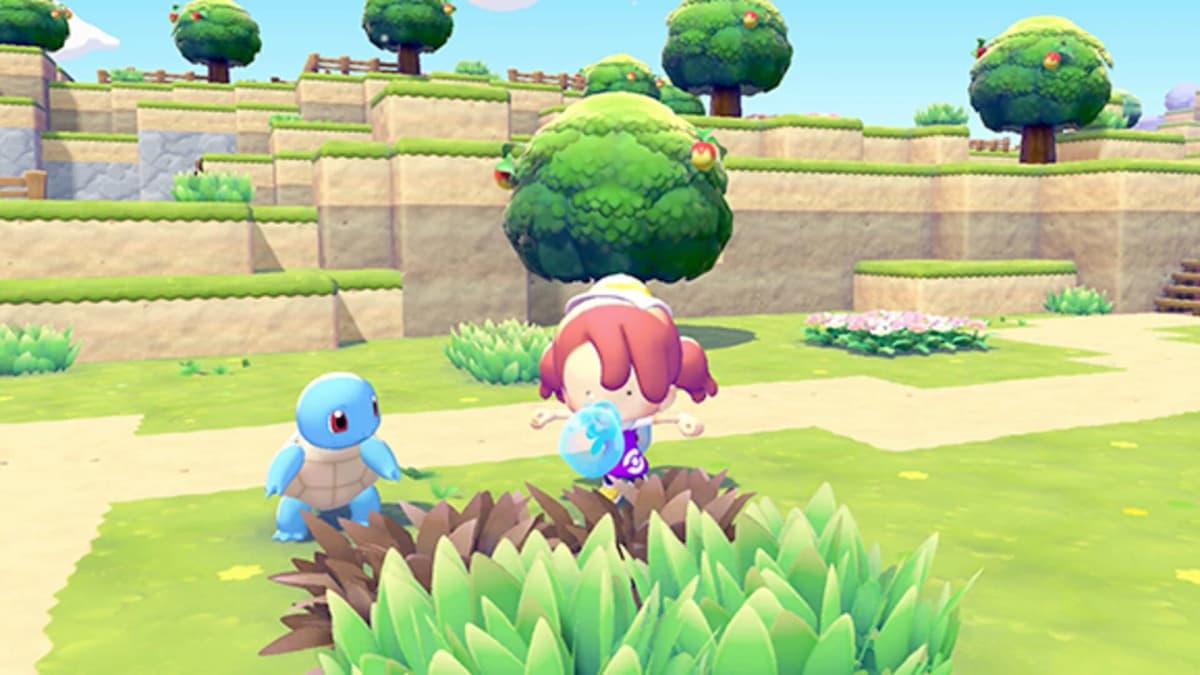
- Look for revitalized berry trees around Terrassec.
- Interact with them to shake them and drop berries.
- Mepo (Leppa) Berries are fairly common here; it usually took me two or three good trees to get five.
Tip: Don’t hand over all your Mepo Berries. They’re still great for restoring PP in longer fights. I always kept a small reserve and only delivered the exact five berries the lighthouse demanded.
Stage 2 – Beans, Tomatoes and Wheat
Requirement:
- 10 Beans
- 10 Tomatoes
- 10 Ears of Wheat
This is the first stage that forces you to think beyond Terrassec.
Beans – Terrassec
- Beans unlock as a regional resource once you raise Terrassec’s quality / satisfaction.
- As you complete local quests and improve habitats, beans start showing up as plantable crops or gatherable items in the region.
- Plant a few early and you’ll quickly have more than the 10 you need.
Tomatoes – Grisemer
- Travel to the Grisemer region once the story lets you.
- Look for merchants or fields that offer tomato seeds.
- Buy or collect seeds and plant them back in your base (Terrassec or wherever your main farm is).
Wheat – Collinangle
- In Collinangle, you can similarly find wheat seeds.
- Grab these the first time you visit; I regretted not stocking up, because I had to ride back just to pick up seeds.
- Plant them alongside your beans and tomatoes so they grow in parallel.
Routing tip: As soon as you unlock Grisemer and Collinangle for story reasons, make a “seed run”: grab tomato and wheat seeds, plant them, and then continue the main story while they grow. By the time you check back, you’ll have enough for both the lighthouse and cooking.
Stage 3 – Wood, Cotton and Paper
Requirement:
- 20 Pieces of Wood
- 5 Cotton Balls
- 10 Paper Piles
This is where Pokémon specialties really matter.
20 Pieces of Wood
- First, gather logs by chopping trees around your regions.
- Then assign a Pokémon like Scyther (Insécateur) or any with the Wood Cutting (Coupe de bois) specialty to a workstation.
- Feed the logs to that Pokémon to convert them into pieces of wood.
I initially tried turning in raw logs, which of course the lighthouse refused. Process them into the proper “piece of wood” item before heading to Terrassec.
5 Cotton Balls
- Cotton balls come from certain Pokémon with the Disorder (Désordre) specialty, such as Cotovol (Jumpluff line).
- Assign them to the right job or habitat interaction that yields cotton (look for prompts mentioning cotton or mess/soft materials).
- They’ll periodically generate cotton balls you can collect.
10 Paper Piles
- Collect heaps of paper trash while exploring settlements and ruins.
- Use a Pokémon with the Recycling (Recyclage) specialty, like Miamiasme (Trubbish).
- Feed the paper trash to that Pokémon and it will convert it into proper paper piles.
Efficiency tip: Set up a “materials corner” in one region with your woodcutter, disorder, and recycling Pokémon all nearby. Drop logs, trash and related items into storage there, process them in bulk, then do one big delivery to the lighthouse instead of many small trips.
Stage 4 – Bricks, Gold Ingots and Concrete
Requirement:
- 40 Bricks
- 20 Gold Ingots
- 50 Concrete Blocks
This stage is all about heavy industry and is where I did the most backtracking before I organized my workflow.
- 40 Bricks
- 20 Gold Ingots
- 50 Concrete Blocks
This stage is all about heavy industry and is where I did the most backtracking before I organized my workflow.
🎮 Get This Game at the Best Price
Compare prices instantly and save up to 80% on Steam keys with Kinguin — trusted by 15+ million gamers worldwide.
*Affiliate link — supports our independent coverage at no extra cost to you
40 Bricks
- Mine or dig up malleable clay near rivers, ponds, and muddy areas.
- Use a Pokémon with the Combustion specialty.
- Give the clay to that Pokémon (often via a kiln / furnace-type station) to turn it into bricks.
20 Gold Ingots
- In Collinangle, you can find and mine gold ore.
- Use the same Combustion Pokémon to smelt gold ore into gold ingots.
- Batch smelt more than 20 while you’re at it; gold shows up in other recipes later.
50 Concrete Blocks
- Gather limestone from rocky and coastal areas.
- Progress the story to Flotîles-Millefeux; the region naturally unlocks a concrete mixer (bétonnière).
- At the mixer, combine limestone and the required materials to produce concrete blocks.
Routing tip: When you first reach Flotîles-Millefeux, don’t leave until you’ve crafted all 50 concrete blocks at once. The mixer is the bottleneck, and it’s much faster to haul a big pile of limestone in one go than to keep sailing back for small batches.
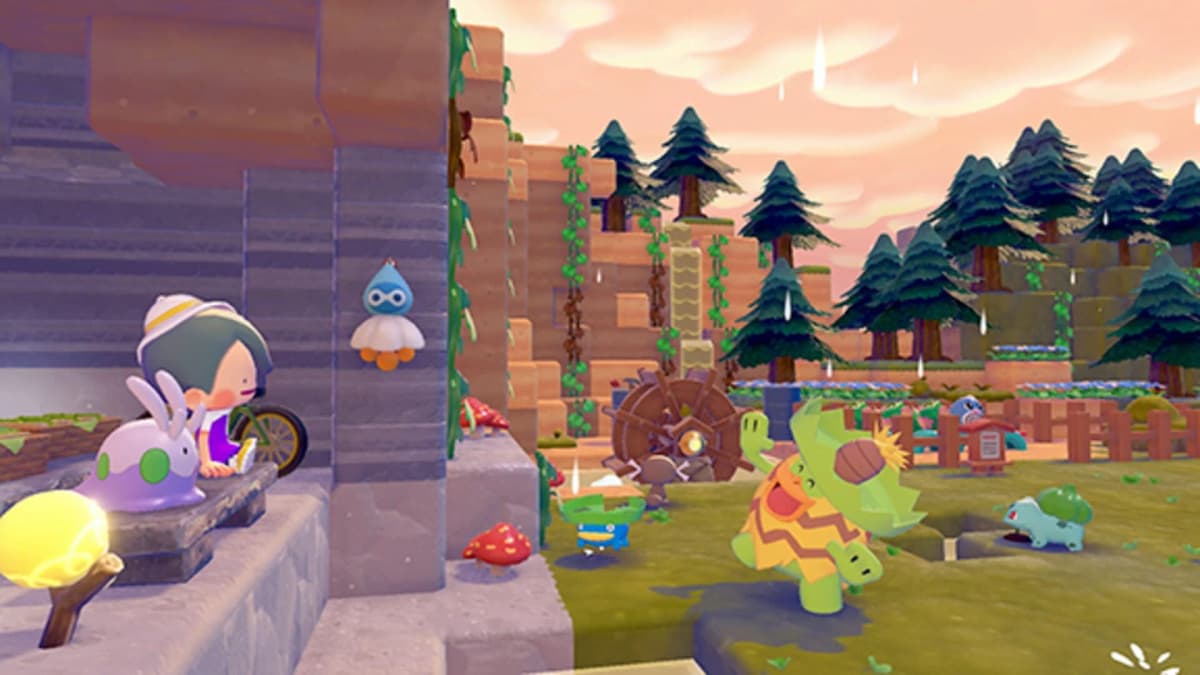
Stage 5 – Electricity, Crystals and Forgeliroues
Requirement:
- 50 Units of Electricity
- 10 Crystal Fragments
- 5 Forgeliroues
This is the first stage where time management really matters. You’re powering up the lighthouse for real now.
50 Units of Electricity
- Build or unlock hydrogenerators and an aerogenerator in your power network.
- Use a Pokémon with a water-handling ability (like Absorbe-Eau) to bring in water and keep the hydrogenerators supplied.
- Once the system is running, it will slowly produce units of electricity you can collect.
I made the mistake of standing around waiting for the full 50. Don’t do that. Turn the generators on, go clear quests or explore another zone, and swing back periodically to scoop up the produced electricity.
10 Crystal Fragments
- Head to the volcano area in Collinangle.
- Mine crystal nodes inside the volcanic tunnels and caverns.
- Each node can drop crystal fragments; grab more than 10 if you’re already there to future-proof yourself.
5 Forgeliroues
- First, mine and smelt iron ore into iron ingots (using your furnace / Combustion Pokémon).
- Then find Cheffelina, the NPC who handles advanced crafting/forging.
- Bring iron ingots to Cheffelina and craft them into Forgeliroues.
Pro tip: Bring extra iron when you visit Cheffelina. Forgeliroues are used in multiple industrial recipes; I crafted 8 instead of the 5 requested so I didn’t have to hunt her down again later.
Stage 6 – Industrial Furniture and Lighting
Requirement:
- 4 Industrial Beds
- 4 Beach Lamps
- 4 Corporate Desks
At this point, the lighthouse wants to be liveable, not just functional. Most of these pieces come from exploration rather than crafting (at least early on).
- Search ruins across all regions; open every chest and inspect broken buildings.
- Industrial-themed ruins near ports, factories and cities are especially good for beds and desks.
- Coastal and resort-style areas are more likely to contain beach lamps.
- Don’t immediately sell or scrap furniture you find; stash it until you’ve checked whether it matches the lighthouse list.
I had 3/4 of what I needed just from casually looting, but I’d sold a couple of early pieces. After that, I made a rule: no selling unique furniture until the Défi initiation was fully done.
Stage 7 – A Photograph
Requirement: 1 Photograph
This sounds like it might hide some puzzle, but it’s pleasantly straightforward.
- Open the game’s camera mode.
- Take a picture – it doesn’t have to be of anything special (although I recommend something memorable from your journey).
- The photo is saved as an item that the lighthouse will accept.
I spent a few minutes trying to photograph the lighthouse itself, thinking it had to be that specific. It doesn’t. Any valid in-game photo works; just make sure it actually appears in your photo list/inventory before turning it in.
Stage 8 – Confetti Cannons and Habitat Satisfaction
Requirement: 2 Confetti Cannons
The final hurdle ties back to your long-term investment in Terrassec.
- Raise the habitat satisfaction level in Terrassec to Level 5.
- This usually involves:
- Building and upgrading habitats
- Decorating the area with furniture and amenities
- Completing local quests and requests
- Once you hit Level 5, confetti cannons become naturally obtainable in the region (as rewards or unlockable items).
Because I’d been improving Terrassec steadily anyway, by the time I reached Stage 8 I was already close to Level 5. If you’ve ignored regional development, expect to spend a couple of play sessions fixing that before you see your cannons.
Efficient Route Summary (How to Avoid Backtracking)
If you’re early in Pokopia and want to future-proof your run, here’s the route I wish I had followed:
- While in early Terrassec:
- Finish Stage 1 immediately.
- Start raising region quality so beans unlock.
- Recruit a woodcutter, disorder, and recycling Pokémon.
>
- First visits to Grisemer & Collinangle:
- Buy or loot tomato and wheat seeds.
- Start mining clay, iron and gold ore whenever you see them.
- Before diving into Stage 4:
- Unlock Flotîles-Millefeux and craft all concrete blocks in one go.
- Batch-smelt clay to bricks and gold ore to ingots.
- As soon as you can build generators:
- Set up hydrogenators + aerogenerator.
- Leave them running in the background to accumulate electricity for Stage 5.
- Anytime you’re in Collinangle:
- Pop into the volcano for crystals.
- Visit Cheffelina with a pocket full of iron ingots for Forgeliroues.
- Throughout the game:
- Loot every ruin for furniture.
- Never sell unique beds, lamps or desks until the Défi initiation is complete.
Follow that rhythm and the only time you’ll purposely grind for the lighthouse is at the very end, pushing Terrassec to habitat satisfaction Level 5 for those confetti cannons.
What You Get for Finishing (and Final Thoughts)
Once you deliver the confetti cannons and stage the lighthouse celebration, you earn its badge and effectively wrap up one of Pokopia’s main long-term objectives. It also serves as a nice “you did it” marker for bringing multiple regions, crafting systems and habitats up to speed.
If you treat the Défi initiation as your global to-do list instead of a single quest marker, it gently nudges you into learning every important system Pokopia has: farming, specialties, industry, power, décor and exploration. I fumbled through it the hard way on my first run; with this checklist and some light planning, you should be able to feed the lighthouse smoothly in the background while you enjoy the rest of the game.
If I could do it starting from a half-finished, messy base, you can absolutely clear it cleanly on your own save-just keep an eye on those seeds, those ores, and never walk past a ruin without looting it.
FinalBoss // Gear
Level up your setup
01Top-rated gaming headsetson Amazon→02High-refresh gaming monitorson Amazon→03Gaming chairson Amazon→04Discounted game keyson Kinguin→Affiliate links · As an Amazon Associate, FinalBoss earns from qualifying purchases.
Want to Level Up Your Gaming?
Get access to exclusive strategies, hidden tips, and pro-level insights that we don't share publicly.
Ultimate Guide Strategy Guide + Weekly Pro Tips