
Table of Contents (8)
Pokopia’s Treehouse stream framed the game as cozy – the details say it’s a builders-driven Pokémon experiment
Nintendo’s hour-long Treehouse showcase did what PR streams are meant to do: it turned an eyebrow-raising mashup into something that looks unmistakably playable. But the real takeaway from the Pokopia demo isn’t that it’s “Animal Crossing with Pokémon” – it’s that Nintendo handed a builders team the keys and the result plays closer to Dragon Quest Builders than a village sim. That shift changes expectations for how the game will feel, how it’ll be run online, and what players should be buying into on March 5.
Key takeaways
- Pokopia’s Ditto-led mechanics and terraforming tools push it toward builder-sim territory rather than a straight Animal Crossing clone.
- Omega Force (the Dragon Quest Builders team) is credited – their pedigree explains the demo’s deep building and habitat systems.
- Online is persistent but constrained: private servers with odd member/slot rules create questions about how seamless multiplayer will feel.
- Fans are hyped — some even saying they’ll buy a Switch 2 — which turns Pokopia into a potential hardware carrot for Nintendo.
This isn’t Animal Crossing with Pikachu slapped on
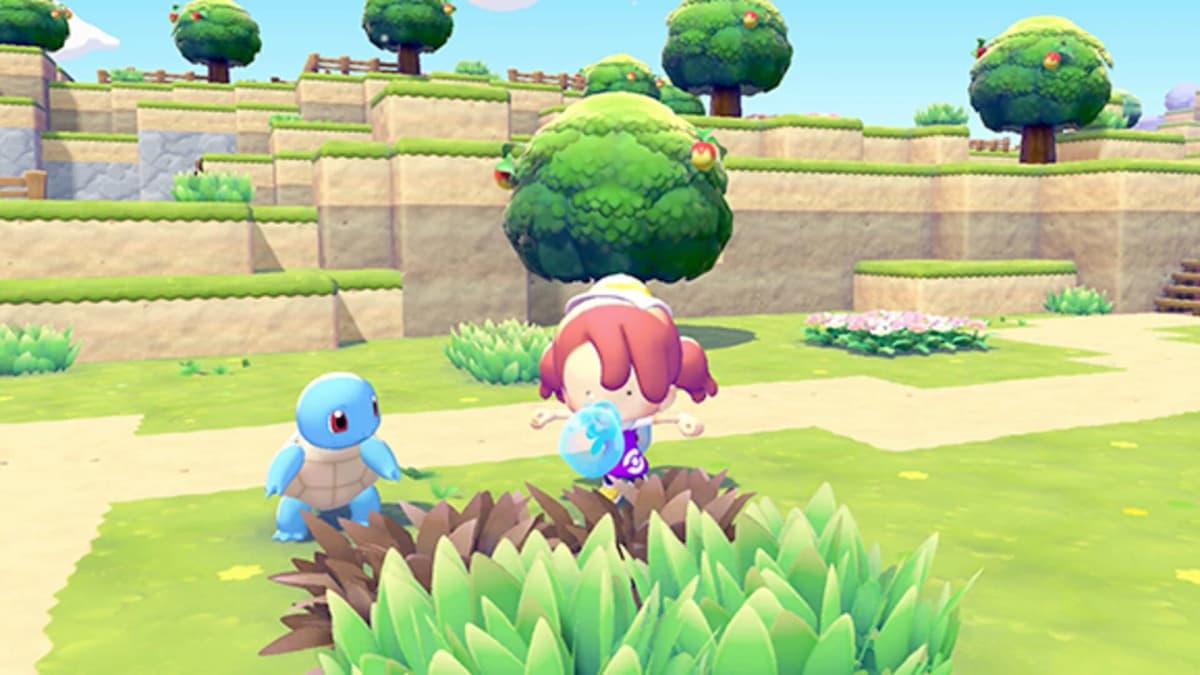
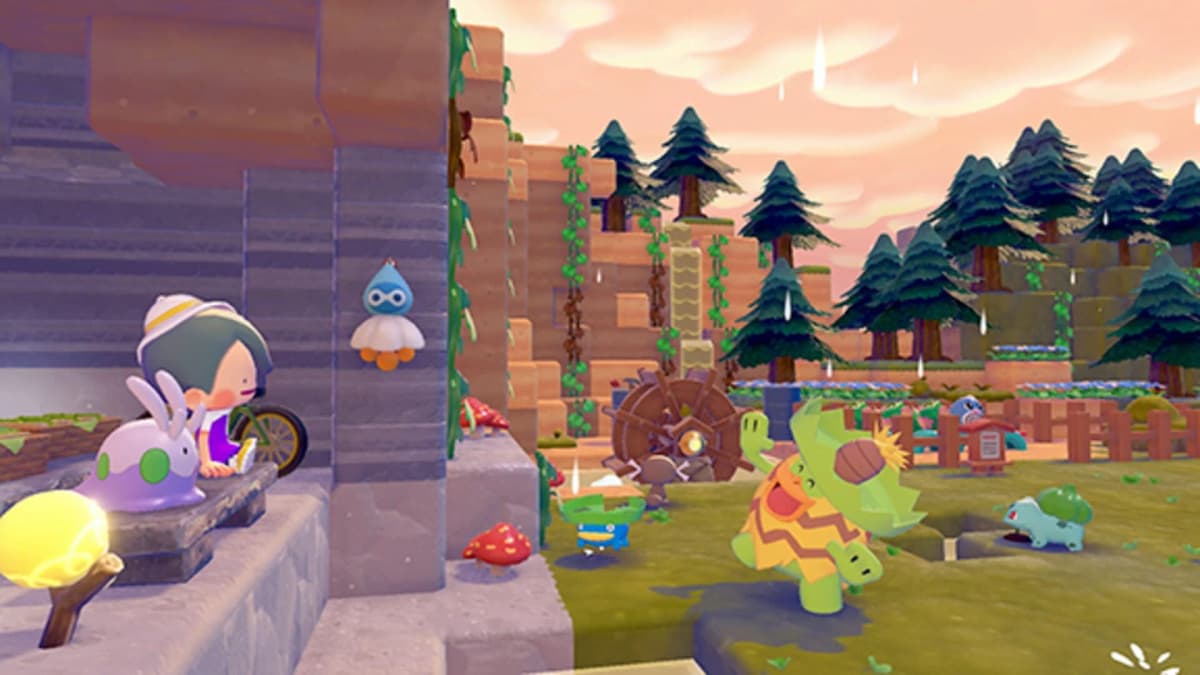
GamesRadar’s Treehouse write-up focused on the cozy cosmetics — homes for Pokémon, habitat building, and the warm UI. Those are all in there. The important part is that the gameplay loop shown leaned heavily on terraforming, ability-driven interaction, and habitat conditions more like a builders game than a neighborhood sim. Skill Up’s earlier hands-on (included in our pool evidence) reported the same: Ditto copies moves to reshape environments, and the terraforming tools feel immediate and satisfying, not ornamental.
Why Omega Force matters — and why that should make you both excited and picky
Omega Force isn’t a random co-developer credit — it’s the Dragon Quest Builders folks. That studio’s job has always been to give players meaningful building tools and a satisfying construction loop. If Pokopia leans into that DNA, it explains the depth on display: biomes that attract species, recruitment mechanics, and terraforming that feels like an actual toolset. Fans noticed — threads lighting up after the stream explicitly linked Pokopia’s feel to Builders 2, and that connection raised expectations fast.
The part Nintendo didn’t linger on: online plumbing and constraints
The demo skimmed over the online model in ways that matter. Multiple sources in our pool mention persistent private servers and co-op for up to eight players, but with confusing limits — only four can be active at once on some setups, and players may have to “swap in and out.” That’s not a small UX footnote. Persistent servers plus member caps open questions about grief control, save ownership, and performance on launch day — all the fun stuff Nintendo doesn’t show in glossy reveals.
And then there’s platform clarity. Social chatter is full of people pledging to buy a Switch 2 to play Pokopia, and some outlets have called it Switch 2 exclusive. Nintendo’s stream used Switch 2 hardware, but official messaging about platform availability and any tech differences remains a spotty area. If Pokopia is effectively a Switch 2 tentpole, expect both hype and resentment from players left on older hardware.
The uncomfortable observation
Nintendo is packaging Pokopia as a comforting, community-first experience — and it probably is — but the company also handed an ambitious, player-driven online model to a third party and under-sold the hard parts. Server rules, member caps, and who controls persistent worlds are the exact things that can turn cozy into chaos the day after launch. The Treehouse gave us charm and tools; it didn’t give us the policy and infrastructure we need to trust those systems.
What to watch
- March 5 launch — pre-orders and day-one reviews will tell us if Omega Force’s tools hold up under player load.
- Nintendo statements about platform availability and Switch 2 exclusivity — console buying decisions hinge on this.
- Server details and moderation policy — specifically: how persistent servers handle membership, saves, and griefing.
- Post-launch content roadmap and monetization signals — will Nintendo treat this as a one-off premium game or as a live service?
If you watched the Treehouse and felt that warm “I need this in my life” tug, you’re not wrong — Pokopia looks genuinely likable. But like any Nintendo experiment that borrows another studio’s core competency, the game’s long-term success depends on execution of the non-sexy stuff: servers, patches, and whether the builders tools remain fun after hundreds of hours.
TL;DR
Nintendo’s Treehouse made Pokopia look cozy and inviting, but the gameplay actually leans hard into Omega Force’s builders DNA. Fans are hyped — some even plan to buy new hardware — yet the stream left important online and platform questions unanswered. Watch March 5 and Nintendo’s server and platform statements; that’s where the cozy dream either holds together or starts getting messy.
FinalBoss // Gear
Level up your setup
01Best-selling Switch 2 gameson Amazon→02Switch 2 accessorieson Amazon→038BitDo controllerson Amazon→04Discounted game keyson Kinguin→Affiliate links · As an Amazon Associate, FinalBoss earns from qualifying purchases.
Want to Level Up Your Gaming?
Get access to exclusive strategies, hidden tips, and pro-level insights that we don't share publicly.
Ultimate Gaming Strategy Guide + Weekly Pro Tips