

Polynormal Games Brings “Frame of Mind” to Gamescom 2025 — Here’s Why It Matters
Game intel
Frame of Mind – A game of thoughts
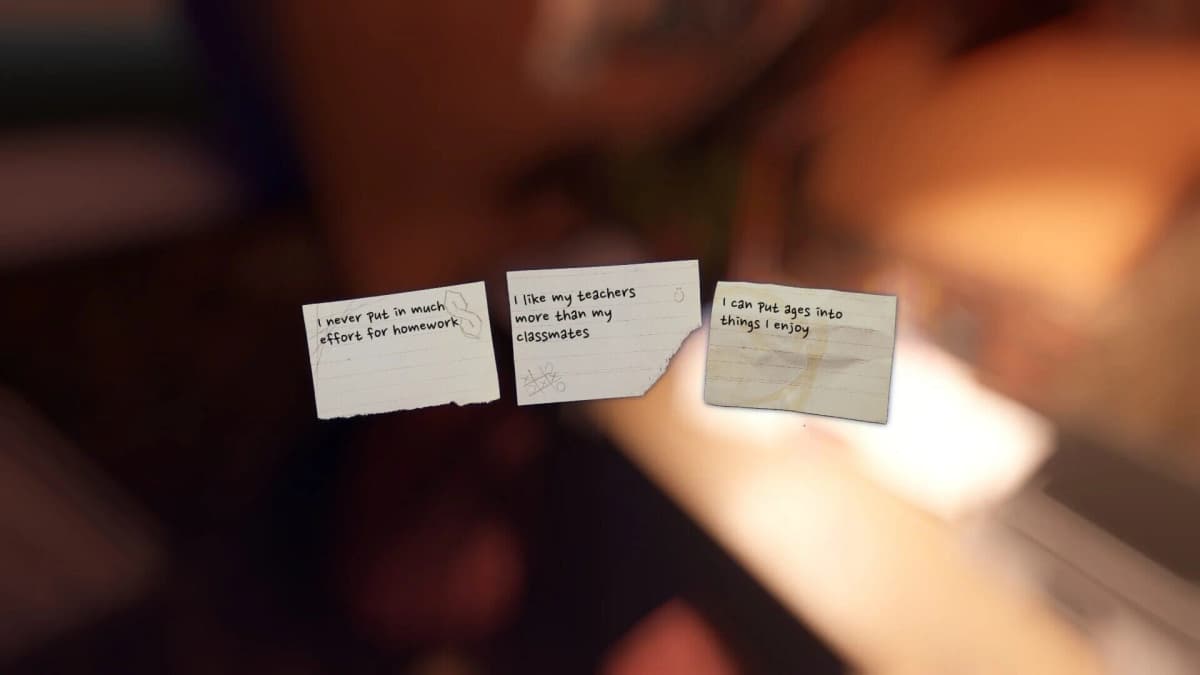
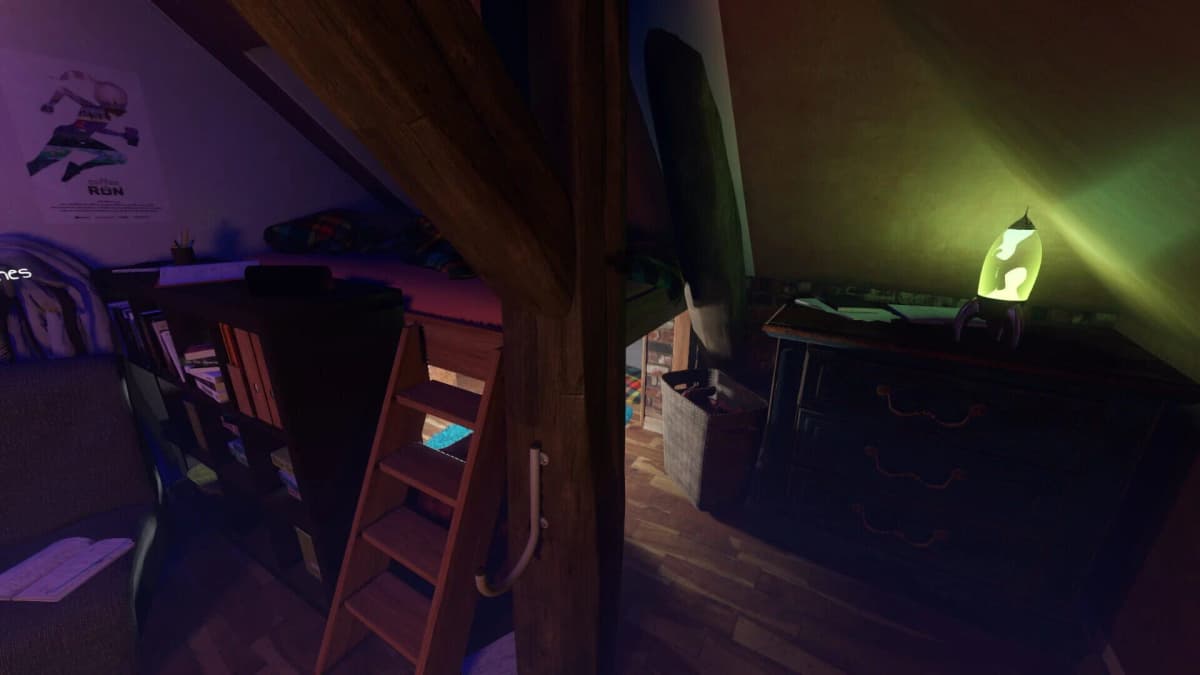
Frame of Mind is a brief and cozy narrative game that lets you discover a character trough thoughts and mementos they find while moving out of their parents ho…
The real story behind Polynormal at Gamescom 2025
This caught my attention because it’s not another flashy shooter vying for a trailer slot-it’s a debut from a brand-new studio trying to do something harder: tell an honest story about mental health through a neurodivergent protagonist. Polynormal Games UG launched in February 2025, secured €30,000 from the Sächsische Aufbau Bank’s accelerator, and is bringing its first title, “Frame of Mind – A game of thoughts,” to Gamescom 2025 (August 20-24, Cologne). If you’ve been burned by buzzwords before, same. But there’s a reason this one is worth a closer look.
Key Takeaways
- “Frame of Mind” is a narrative-driven debut with a neurodivergent protagonist-representation that needs care, not gimmicks.
- €30,000 accelerator funding signals tight scope: expect a focused experience over a sprawling epic.
- Hands-on at Gamescom is the litmus test: writing quality, accessibility options, and mechanical honesty will make or break it.
- Ignore catch-all roundups listing random projects-Polynormal’s priority is clearly their first game.
Breaking down “Frame of Mind”: what I’ll be looking for
With a subtitle like “A game of thoughts,” the pitch screams introspective storytelling—think interior monologues, perspective shifts, and choices that reflect cognitive processing rather than power fantasies. The trap a lot of games fall into is treating mental health as a twist. The ones that land—Celeste’s breathing mechanic, Hellblade’s audio design grounded in lived experience—translate themes into systems and sensory design. If Polynormal can make decision-making, sensory load, and social friction part of play, not just cutscene wallpaper, then we’re onto something.
Mechanically, I’m hoping for clean, readable UX: generous text sizing, high-contrast modes, input remapping, subtitle controls (font size, background, speaker labels), and options that modulate sensory intensity (camera shake, flashing lights, layered audio). If your game centers neurodivergence, the options menu needs to prove it.
Representation beyond buzzwords
Neurodivergent leads are still rare in the medium, and when they show up, it’s too often as a narrative prop. What matters is process: community consultation, sensitivity passes on scripts, and a willingness to cut “fun” mechanics that undermine the character’s reality. Hellblade set a bar by working with clinicians and people with lived experience; smaller indies like A Space for the Unbound and Fractured Minds proved you don’t need AAA dollars to be respectful and resonant. Polynormal says the right things about diversity—Gamescom is where we’ll see if that’s reflected in the actual play.
Funding reality check: what €30,000 usually means
€30k from an accelerator is a real boost for an early-stage team, but it’s not “hire a full VO cast and ship on five platforms” money. In practice, that budget covers a vertical slice, maybe limited voice work, contractor art or sound, and time to court a publisher or grant. Set expectations accordingly: I’d expect a tight 60-120 minute demo or a compact story first release rather than a 20-hour branching epic. That’s not a knock—short-format narrative games can hit harder precisely because they don’t pad. If Polynormal keeps scope disciplined, they have a shot at polishing the writing and readability details that most indies undercook.
How to approach the Gamescom demo
Gamescom 2025 runs August 20–24 at Koelnmesse in Cologne. Polynormal’s exact booth placement will ebb and flow until the floorplan locks, but expect them somewhere in the indie-heavy halls. If you want hands-on time, go early (doors open) or late afternoon when queues thin, and ask the team the questions that matter:
- Accessibility: text size sliders, colorblind presets, input remapping, toggleable holds/QTEs, subtitle customization, sensory filters.
- Content transparency: clear content warnings, session length, and whether choices meaningfully alter scenes or just flavor dialogue.
- Platform plans: PC first is common for indies; controller support and save-anywhere are green flags.
- Development process: did they consult neurodivergent players and iterate based on feedback?
Pay attention to the cadence of interaction—does the game let you pause and think, or does it rush dialogue and choices? Can you re-read logs at your own pace? These are small tells that reveal whether the team designed for the character’s perspective or just marketed it.
Why this matters right now
We’re in a maturing phase for “mental health in games.” The 2010s taught studios they could talk about anxiety, grief, psychosis; the 2020s are about whether they can do it responsibly, interactively, and sustainably. A new studio publicly centering a neurodivergent lead and taking that to the world’s busiest consumer show is a statement. If they stick the landing, it nudges the industry toward better practices. If they whiff, it’s another cautionary tale about using identity as a bullet point. Either way, it’s worth showing up, playing, and giving feedback that goes beyond “looks cool.”
Looking ahead
Best-case scenario after Gamescom: tight, confident writing; player-first options; and a clear, realistic roadmap. Worst case: a nice trailer wrapped around shallow interactivity. I’m rooting for the former. Small studios can surprise you when they keep scope sane and iterate with the right players in the room. Polynormal has the seed funding, the pitch, and the stage. Now it’s about execution.
TL;DR
Polynormal’s debut, “Frame of Mind,” is playable at Gamescom 2025 and aims to tell a neurodivergent-led story without the usual clichés. The small funding suggests a focused, potentially powerful experience—watch for accessibility, honest mechanics, and writing that earns its theme. If those land, this could be one of the show’s quiet standouts.