
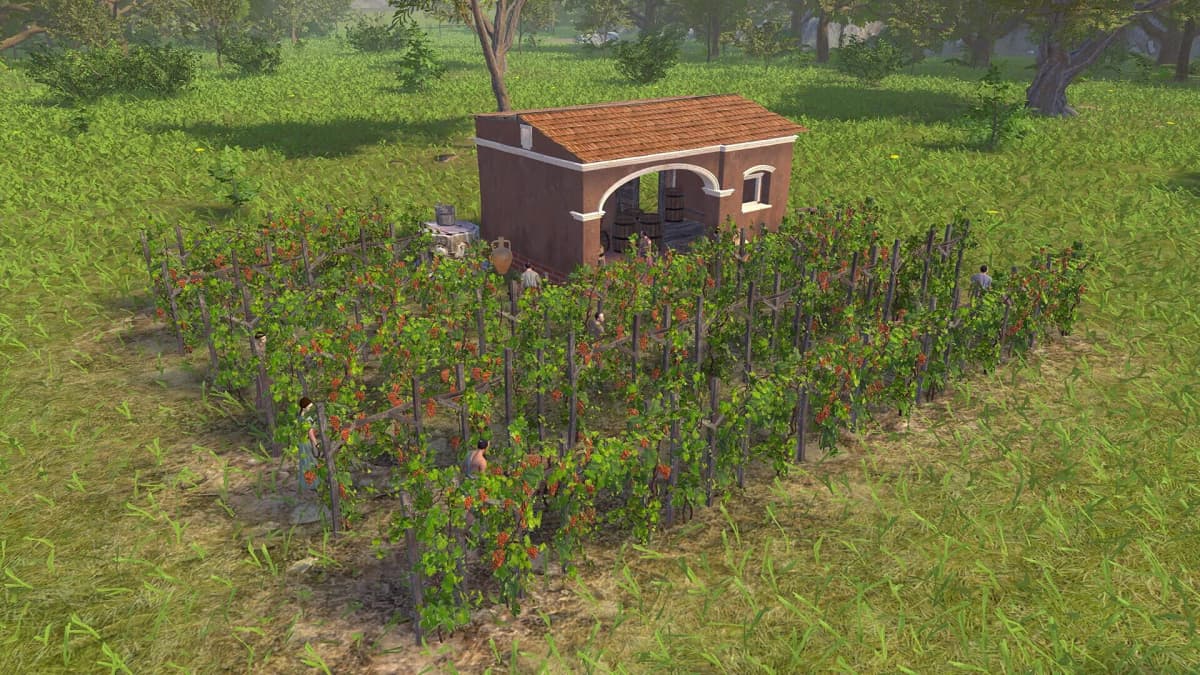
Pompeii: The Legacy Erupts Into Early Access — A Roman City-Builder With Real Stakes
Game intel
Pompeii: The Legacy
Rebuild the city of Pompeii and climb the social ladder. Roman society is full of intrigues that you have to solve in order to become a powerful ruler.
Why This Caught My Eye
Roman city-builders are having a quiet renaissance, and Pompeii: The Legacy lands right in my sweet spot. I grew up on Caesar and Pharaoh, then watched the genre swing between chill sandboxes and brutal survival sims. This one plants you in the shadow of Mount Vesuvius and asks you to rebuild, manage production chains and governance, trade across the empire, and guide a family-driven story. That pitch has real teeth. The volcano isn’t just wallpaper; the looming threat creates stakes most city-builders gloss over. If the narrative and systems actually talk to each other, this could be more than another “lay roads, watch numbers go up” sim.
Key Takeaways
- Early Access launches September 23, 2025 on PC via Steam.
- Core pillars: production chains, governance, trade, and a family-driven campaign.
- Vesuvius adds survival pressure to classic Roman city-building.
- New trailer is live on Steam in 4K; expect iterative updates during Early Access.
Breaking Down the Announcement
Siscia Games is rolling Pompeii: The Legacy into Early Access on September 23, 2025, with a fresh trailer to prove it. The Steam page showcases the core loop: rebuild a devastated city, spin up production chains, legislate and tax, trade for what you can’t produce, and navigate a story told through your household. Pricing and the exact scope of the EA build haven’t been detailed, which is normal but worth noting-especially for a systems-heavy builder that promises both management depth and narrative consequences. If you’ve been waiting for a historical city-builder that isn’t afraid of a little danger, this is one to watch.
The Real Story: A Builder With Legacy
What actually sets Pompeii apart is the family-driven campaign layered over the city sim. Lots of builders let you role-play a benevolent spreadsheet with marble statues. Fewer make your civic choices echo across generations. If the story ties into mechanics-say, passing laws that change citizen expectations, making trade partners care about your reputation, or giving your household traits that nudge playstyles-then we’re closer to the emergent drama you get from Crusader Kings crossed with a traditional builder. That’s ambitious. The risk is obvious too: if the “legacy” part is just narrated flavor text between standard missions, it’ll feel like a missed opportunity.
What Gamers Need to Know
On the nuts-and-bolts side, expect classic Roman supply chains—quarries, clay pits, workshops, markets—feeding a growing population with increasingly fussy demands. Governance implies you’ll be juggling taxes, laws, and maybe civic projects that boost stability or unlock trade perks. Trade should matter: a city under Vesuvius isn’t rich in every resource, so import dependencies and pricing shocks can be real gameplay levers if the economy has teeth. The dev also calls out production chains specifically, which is where builders live or die; if throughput, storage, and transport aren’t readable in the UI, the best-laid cities crumble into bottlenecks.
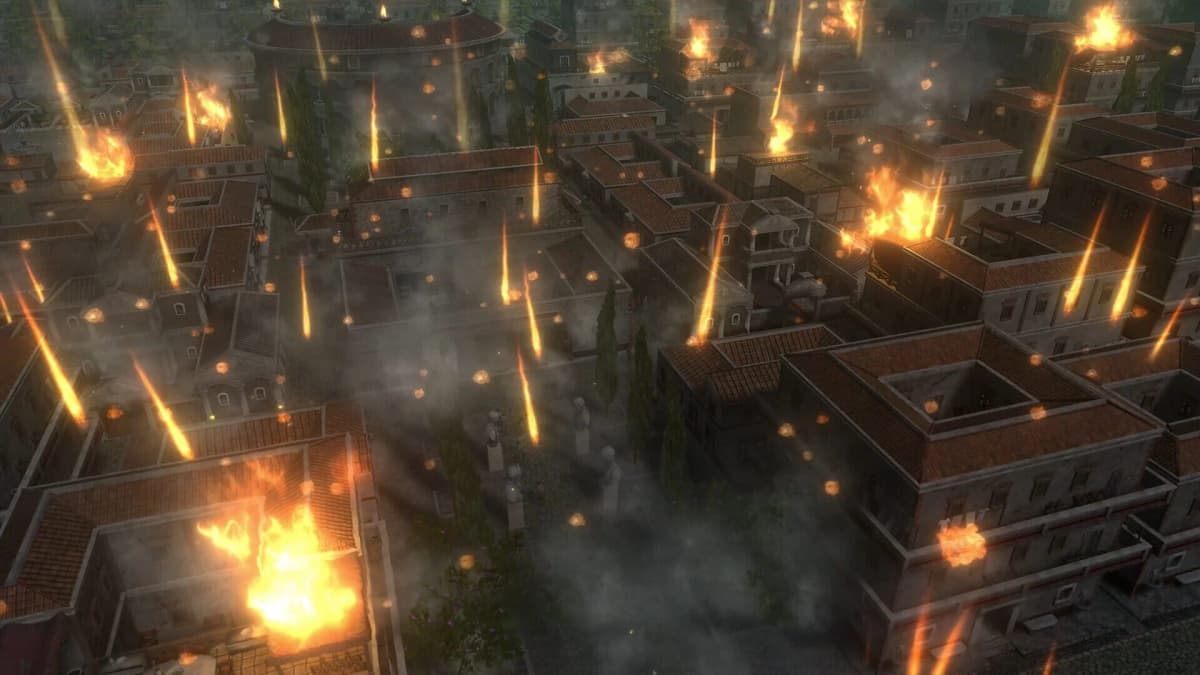
The volcano is the hook, and it needs more than a one-off disaster. Ideally, it’s a persistent pressure: ashfalls that slow agriculture, tremors that force infrastructure upgrades, and a risk-reward dance where you decide when to harden districts versus expanding prosperity. That kind of environmental pacing can turn a comfy builder into “just one more year” addiction—think Frostpunk’s looming storm, but Roman.
Early Access: Green Flags and Red Flags
- Green flag: Focused theme. Rebuilding Pompeii is a strong narrative spine that can guide updates without bloating the scope.
- Green flag: Systems-first pitch. Production, governance, and trade give the team lots of levers to tweak based on community feedback.
- Red flag: Pathfinding and logistics. Every city-builder promises smart walkers; every Early Access builder wrestles with them. Watch citizen AI and delivery reliability.
- Red flag: Late-game content. If the legacy campaign drip-feeds upgrades, the sandbox still needs a meaningful endgame beyond “make number bigger.”
- Swing factor: Difficulty tuning. The volcano pressure and governance penalties need to be punishing but readable. Invisible debuffs are how players bounce off otherwise great sims.
Want to Level Up Your Gaming?
Get access to exclusive strategies, hidden tips, and pro-level insights that we don't share publicly.
Ultimate Gaming Strategy Guide + Weekly Pro Tips
Context: The Roman Builder Comeback
We’ve seen a steady return of historical builders—Nebuchadnezzar, modern Pharaoh, and of course Manor Lords reminding everyone that systems plus spectacle can light up Steam. Pompeii: The Legacy looks like it’s chasing that same sweet spot: grounded city management with a distinct historical hook and just enough story to make your choices feel personal. If Siscia avoids the trap of overpromising (multi-layer politics, family drama, complex trade) and instead ships a tight loop that expands over Early Access, it could earn a spot alongside the genre’s modern standouts.

What I’ll Be Watching Post-Launch
- Roadmap clarity: How often updates land and whether they deepen systems versus just adding new buildings.
- UI transparency: Clear overlays for supply, storage, and citizen needs—no black-box happiness meters, please.
- Replayability: Do family decisions meaningfully change runs, or is it one optimal path with different narration?
- Volcano pacing: Is Vesuvius dynamic and systemic, not just a set-piece?
TL;DR
Pomepii: The Legacy hits Steam Early Access on September 23, 2025, promising a Roman city-builder where production chains, governance, and trade intersect with a family-led campaign under the shadow of Vesuvius. The premise rules; execution will come down to smart logistics, readable UI, and whether the legacy systems truly shape your city rather than simply narrate it.