
Pompeii: The Legacy – Rebuilding History in Early Access
Game intel
Pompeii: The Legacy
Rebuild the city of Pompeii and climb the social ladder. Roman society is full of intrigues that you have to solve in order to become a powerful ruler.
As someone who’s spent way too many hours both on the grids of Cities: Skylines and wandering the simulated streets of ancient worlds, the promise of a full-scale city builder set in the aftermath of Vesuvius’s fury immediately grabbed my attention. When Siscia Games finally announced an Early Access launch date for Pompeii: The Legacy—September 16, 2024—I had to dig in: is this the dose of Roman grit the genre needs, or just another ancient reskin of familiar mechanics?
The Post-Disaster Setting: A Fresh Historical Hook
Most historical city builders treat their settings as window dressing: slap on a toga, call your tax office the “census hall,” and you’re good to go. Pompeii: The Legacy flips that script by centering gameplay around the years after Mount Vesuvius’s eruption. You’re not merely managing a bustling Roman metropolis—you’re rebuilding a shattered community. That opens up narrative and mechanical breadcrumbs we rarely see in modern city sims:
- Population Reclamation: Track survivors, welcome migrants, and balance the influx of hopeful settlers against scarce resources.
- Ruin Restoration: Decide which monuments, homes, and workshops to restore first—each choice carries social and economic weight.
- Community Morale: Restore hope through festivals, public forums, and strategic investments in essential services.
Core Modes and Key Features
At launch, Early Access will include three distinct modes:
- Campaign: Narrative-driven scenarios that guide you through major reconstruction milestones while introducing political and social stakes.
- Sandbox: A freeform playground for creative city layouts without scripted objectives—ideal for planners who love experimentation.
- Creative: All tools unlocked from the start, perfect for those who just want to test sprawling aqueducts or grand amphitheaters.
On top of that, Siscia Games highlights:
- Deep Political Simulation: Influence local councils, manage noble families, and face citizen assemblies that can veto your tax proposals.
- Research Branches: From engineering feats like aqueduct extensions to public health measures against plagues, your tech tree is shaped by historical context.
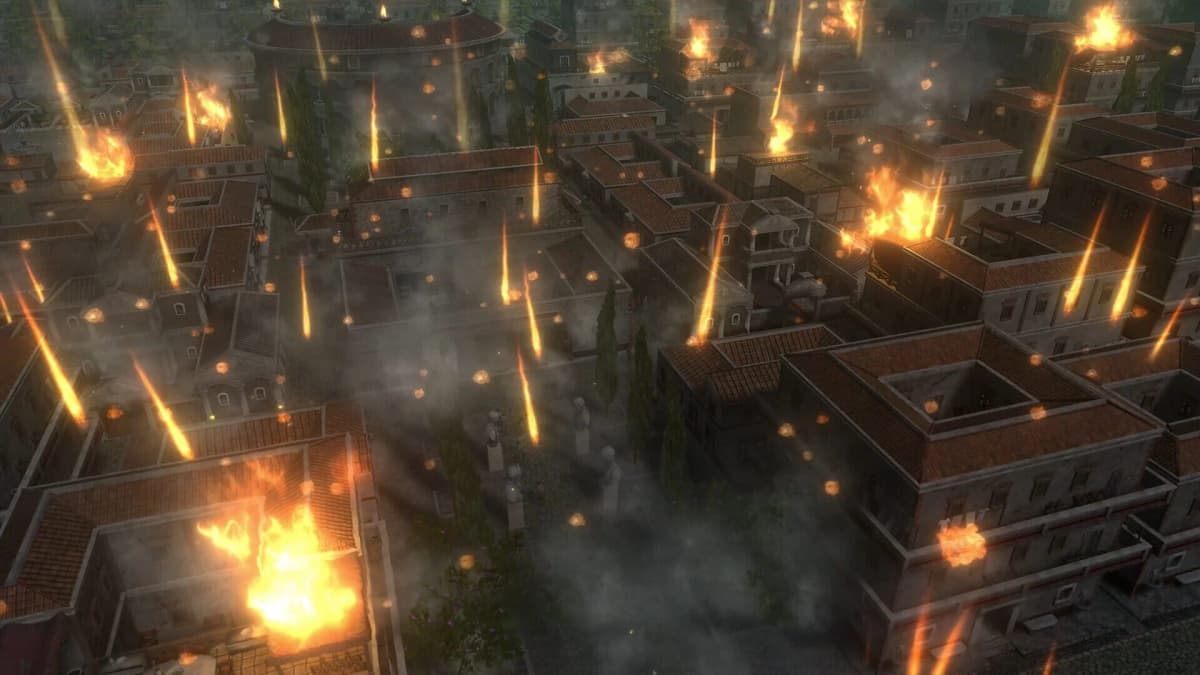
- Natural Disasters: Earthquakes, aftershocks, and volcanic ashfall keep you on your toes—far from the “build-and-forget” approach of many city builders.
- Planned Military Gameplay: While not available at launch, future updates promise legion deployments, border skirmishes, and defences against rebel factions.
Ambitious Social and Political Mechanics
Here’s where Pompeii: The Legacy aims to stand out. You’ll navigate a tripartite system of citizens, patricians, and freedmen—each with distinct needs and political clout. Public speeches, philosophical schools, and religious festivals all feed into citizen morale. If executed well, these layers could interact dynamically:
- Taxation vs. Welfare: Raise funds for massive rebuilds or invest in grain doles to keep the crowd from revolting.
- Civic Factions: Patricians might demand grand monuments, while artisans push for guild protections and affordable workspaces.
- Public Debate: Engage in forum debates where policies succeed or fail based on oratorical skill and your reputation.
That said, Early Access promises can be slippery—I’ve seen “deep social simulation” turn into checkboxes that barely affect your bottom line. I’ll be looking for real cause-and-effect, not just a bunch of meter bars you slide back and forth.
Disaster Dynamics: More Than Just Shaking Buildings
Disasters in city builders often feel tacked on: a random fire here, a tornado there. Pompeii leans into its core narrative by making disasters an ongoing part of the challenge. We’re talking:
- Aftershock Chain Reactions: A minor tremor today could weaken walls for a bigger quake next week.
- Ashfall Management: Keep your population healthy and your fields fertile when volcanic ash darkens the sky.
- Emergency Response: Build infirmaries, fire brigades, and search parties to contain damage and rescue survivors.
Executed properly, these systems could force tough trade-offs—prioritize infrastructure repairs or funnel resources into emergency shelters?
Want to Level Up Your Gaming?
Get access to exclusive strategies, hidden tips, and pro-level insights that we don't share publicly.
Ultimate Gaming Strategy Guide + Weekly Pro Tips
Military Ambitions on the Horizon
Currently, combat and military logistics are slated for post-launch updates. The promise of legions marching out to secure trade routes or defend against bandit raids adds another strategic layer—but it also raises questions. Will military supply lines and troop morale tie back into your city’s political life? Or will they become a siloed minigame? My optimism is tempered by experience: indies often shelve big promises in favor of polishing base gameplay.
Where It Stands Among City Builders
If you love the authentic flair of Caesar III and the modern scale of Cities: Skylines, Pompeii: The Legacy could spin a compelling middle ground. It faces stiff competition from titles like Banished—with its harsh survival curve—and narrative-driven builders like The Forgotten City. But the unique post-eruption angle and emphasis on historical authenticity give it a clear identity.

Early Access: Promise vs. Patience
Early Access is a double-edged sword. On one hand, you can shape development through feedback, testing ambitious mechanics as they roll out. On the other, you sign up for bugs, balance issues, and missing features. Key questions I’ll be watching:
- Do social and political systems feel interwoven or just layered on?
- Is disaster recovery engaging, or does it become repetitive after a few events?
- Will post-launch military features arrive on schedule, and will they tie back into city management?
Patience is a virtue—especially when rebuilding a city from volcanic ruin.
TL;DR – Should You Add It to Your Wishlist?
Pompeii: The Legacy isn’t just another ancient reskin. If Siscia Games delivers on its promise of intertwined social politics, active disaster management, and authentic Roman infrastructure, it could be the breakthrough historical city builder fans have been craving. Don’t expect Early Access perfection—bugs, missing features, and balance quirks are par for the course. But if you’re ready to juggle rebellions in the forum one day and asbestos-laden ash the next, mark September 16 on your calendar and keep a close eye on this ambitious rebuild.