
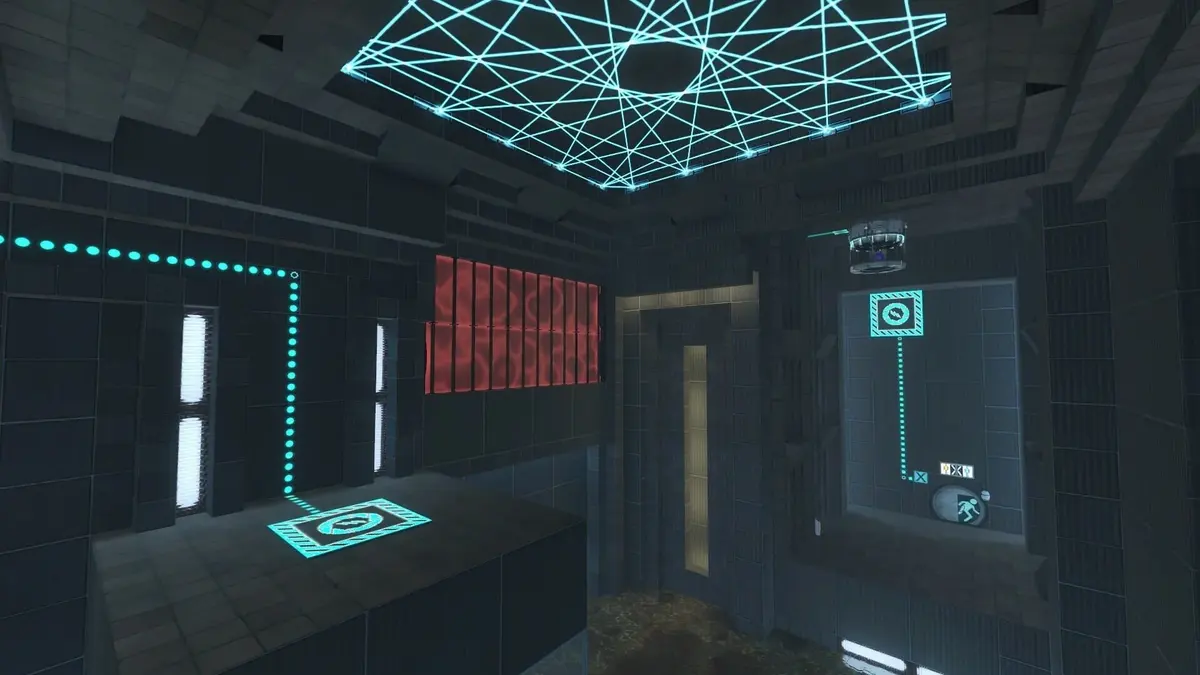
A 12TB archive of old Steam content has put early Portal 2 builds, deleted dialogue, beta menus, and abandoned F-Stop material into public view. That is a genuine preservation event. It is also an uncontrolled dump of a decade’s worth of Valve and third-party game data, which is about the worst possible format for preservation.
The archive covers Steam2-era depot material uploaded between 2003 and 2013, ending around Valve’s switch to SteamPipe. It has circulated through BitTorrent since late August 2026 and contains thousands of depots: old file groups that can hold public releases, release candidates, internal branches, prototypes, and playtest builds. A depot is evidence of a game’s development history, not proof that every file inside it is complete, safe, or cleared for public release.
Table of Contents (4)
Portal 2 has the clearest historical payoff
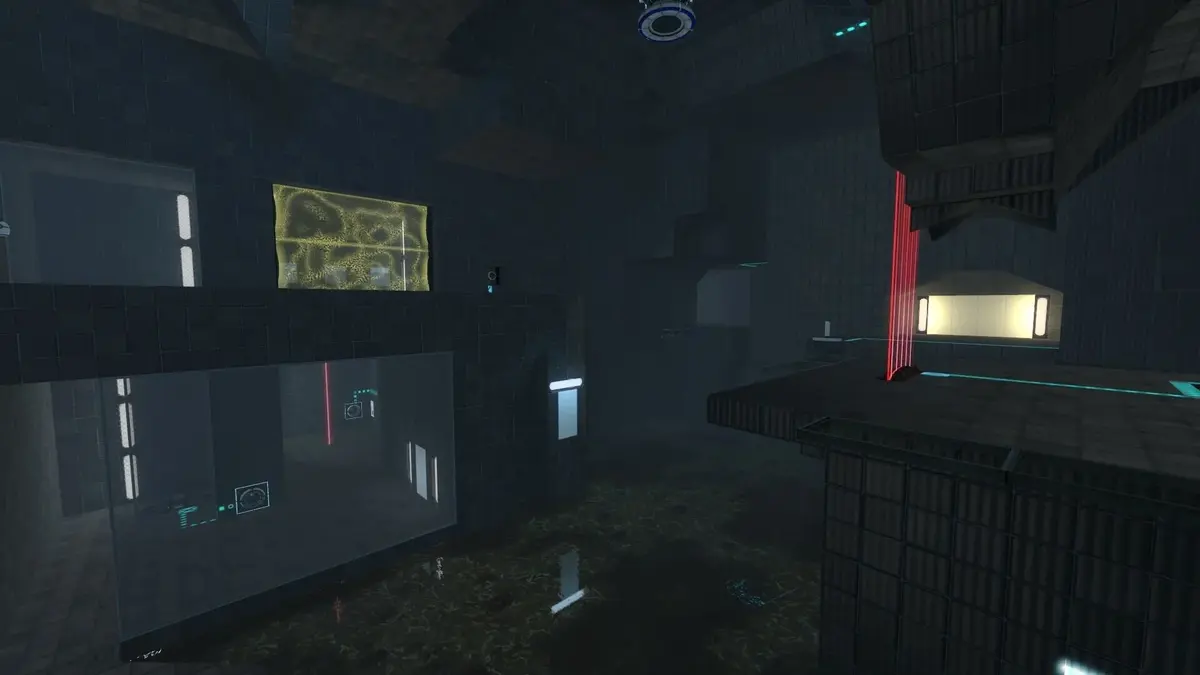
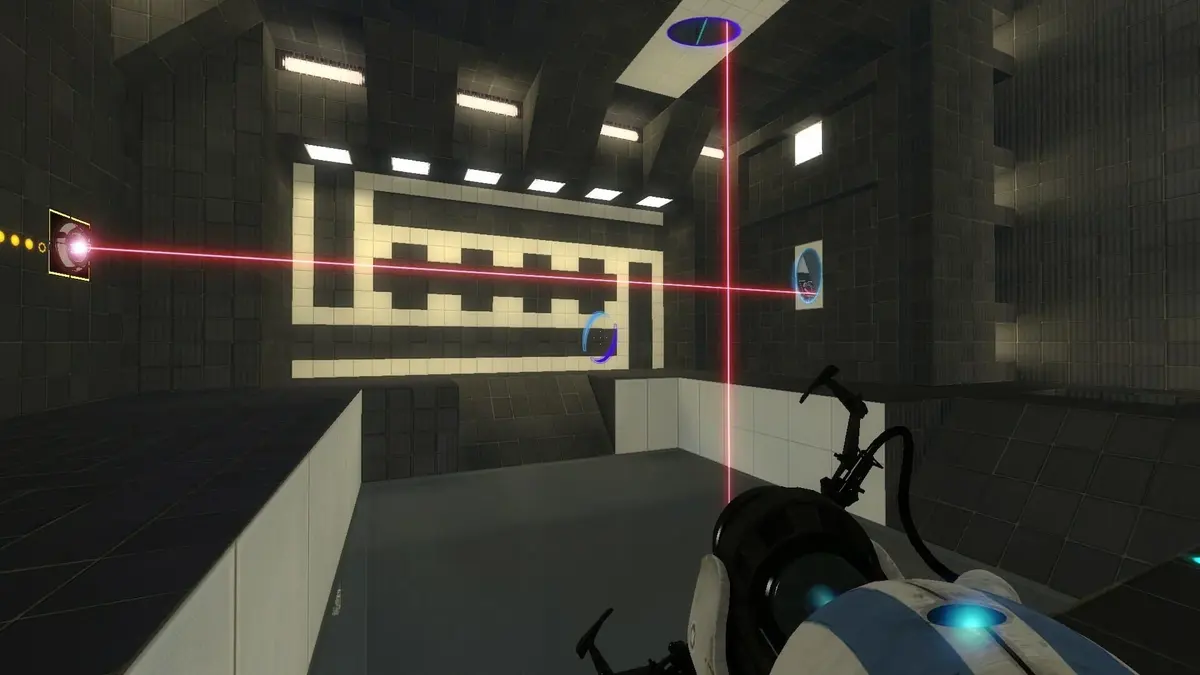
The most concrete finds sit around a July 2009 Portal 2 build: unused sequences, beta menus, deleted dialogue, and alternative material involving GLaDOS. That is exactly the kind of stuff players want from a serious archival release. It helps explain how Valve arrived at the final game, rather than turning cut content into another tired scavenger hunt for “secrets” that were cut for good reasons.
F-Stop carries even more historical weight. Valve’s canceled camera-based Portal project has been a major point of fascination for years because it represents a discarded direction for the series, not a small pile of unused voice lines. Its presence in the archive gives historians and modders more leads, but it does not magically turn unfinished work into a game Valve intended anyone to play.
The Portal 2: Confinement angle needs a firmer boundary. The newly exposed Portal-era material has predictably reignited discussion around lost and cut Portal projects, but there is no verified public Portal 2: Confinement build in this archive. Treating every Portal-related filename as a recovered game is how a useful preservation story becomes forum mythology by lunchtime.
This is bigger than Valve nostalgia
The uncomfortable part is the third-party scope. The archive is said to include material connected to Spore, Dragon Age: Origins, Sonic the Hedgehog 4, Mirror’s Edge, Spec Ops: The Line, Sid Meier’s Civilization V, and Batman: Arkham Asylum, alongside early Left 4 Dead 2 and Counter-Strike: Global Offensive content.
That destroys the comforting idea that this is merely Valve’s old workshop drawer getting kicked open. Every third-party depot can involve separate publishers, expired licenses, outsourced assets, middleware, or material that was never meant to leave a development machine. The archive may be historically valuable, but a public torrent has none of the authentication, rights review, or context that preservation requires.
Episode 3 is still a clue, not a resurrection
Half-Life fans have already gone straight to the loudest possible conclusion. The material tied to canceled Half-Life 2: Episode 3 is significant, including a Weaponizer asset associated with the project. It is not a confirmed playable Episode 3 build, and it has nothing to do with a verified Half-Life 3 discovery.
That distinction matters because old development archives are messy by nature. A model, menu, map fragment, or placeholder can establish that work existed without establishing how far it got, whether it functioned, or whether it survived into a coherent game. Valve has spent two decades attracting rumors by saying very little; a 12TB pile of uncurated data will not improve that record on its own.
Valve needs to separate player safety from archival access
The archive’s claimed origin remains unresolved. Gabe Follower has said the data came through a publicly accessible API endpoint rather than a hack, while Valve has not publicly confirmed the archive’s scope, origin, or integrity. There is no evidence here of a compromise of Steam’s current production systems, but players still deserve a direct statement on whether old depot infrastructure exposed material that should have been protected.
Valve’s useful next step is not trying to erase a BitTorrent archive from the internet. That ship has left the dock, hit the reef, and uploaded the wreckage. It should publish depot-verification guidance, clarify whether users face any risk from old build files, and create a rights-checked process for studios, researchers, and preservation groups to identify historically important materials without redistributing raw leaked archives.
For players, the practical rule is simple: do not treat anonymous old builds as safe software, and do not mistake leaked fragments for official releases. For studios, the opportunity is to recover and document their own history through verified channels before the internet’s least careful archivists define it for them.
FinalBoss // Gear
Level up your setup
01Graphics cardson Amazon→02Gaming laptopson Amazon→03High-refresh gaming monitorson Amazon→04Discounted game keyson Kinguin→Affiliate links · As an Amazon Associate, FinalBoss earns from qualifying purchases.
Want to Level Up Your Gaming?
Get access to exclusive strategies, hidden tips, and pro-level insights that we don't share publicly.
Ultimate Gaming Strategy Guide + Weekly Pro Tips