
Pragmata isn’t just “better than expected.” The review data says Capcom has quietly shipped one of 2026’s most competitive games – and maybe the start of a new flagship series.
Early scores on OpenCritic sit around an 87 average with roughly 94% of critics recommending it, putting Pragmata in the same statistical neighborhood as recent Resident Evil remakes at launch. Metacritic tells a similar story: mid‑to‑high 80s on consoles and touching 90 on PC in the earliest wave of reviews. That is not “nice little experiment” territory. That is “this will be in GOTY arguments unless the year turns out absurd” territory.
Table of Contents (8)
Key takeaways
- Reviewers broadly agree: Pragmata’s hack‑and‑shoot combat loop is the main event and one of Capcom’s tightest action designs in years.
- The sci‑fi story, tone and Hugh-Diana relationship land emotionally for many critics, but the macro plot and lore are called “safe” or messy.
- Repetition, backtracking and a post‑game that doesn’t fully cash in on the combat depth are the most consistent knocks.
- Strong performance on Switch 2 plus high PC/console scores make this look less like a niche experiment and more like a serious new pillar for Capcom.
Capcom finally ships the sci‑fi game it’s been promising for years
Pragmata has been floating in Capcom’s orbit since that cryptic 2020 teaser – the one nobody could quite place next to Resident Evil or Monster Hunter. Multiple delays, a total marketing blackout for long stretches, and a new hardware generation later, a lot of people quietly assumed this would be a mid‑tier curiosity at best.
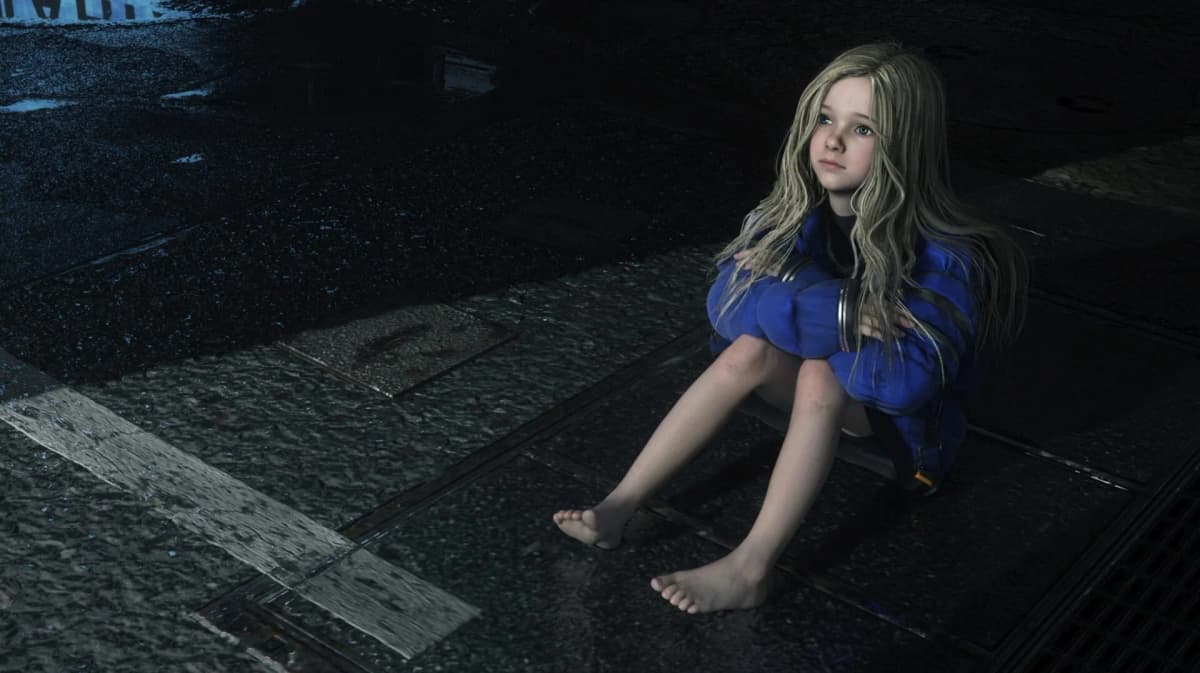
Instead, what’s actually shipped is a focused, mid‑scale sci‑fi action game set on an abandoned lunar research station. You play Hugh Matthews, mercenary‑turned‑babysitter to Diana, an android girl woven from “lunafilament.” The pair are trapped in a hostile facility run by a malfunctioning AI and trying to get back to Earth. Structurally, think compact, interconnected hub areas rather than sprawling open world; tonally, somewhere between near‑future anime melancholy and classic System Shock paranoia.
The real story in the reviews is that Capcom seems to have understood the assignment: this is not another bloated, live‑service‑adjacent experiment. There’s no gear treadmill, no battle pass, no co‑op bolt‑on. Progression is built around found materials and upgrades that meaningfully tweak your tools, not just inflate numbers. Coming off the content‑spread‑thin sprawl of something like Exoprimal, that restraint is notable.
If I were sitting opposite Capcom’s PR, the question would be simple: is Pragmata the template for how the publisher handles new IP going forward – tightly scoped, mechanically dense, single‑player first — or is this the exception that only exists because it was too far along to turn into a service game?
Combat is the star, not the story
The thing that unites almost every review, from sevens to tens, is the praise for combat. Pragmata is built around a hybrid “hack‑and‑shoot” loop: third‑person gunplay stitched together with a real‑time hacking minigame that lets you disable, redirect or weaponize parts of the environment and enemy behavior.
Critics describe shooting that feels immediate and weighty, with clear feedback and a pace closer to Resident Evil 4 Remake than loose, arcade‑y shooters. Hacking injects an extra layer of decision‑making: do you brute‑force the encounter, or invest time and risk into subverting cameras, turrets and drones so the room effectively fights itself?
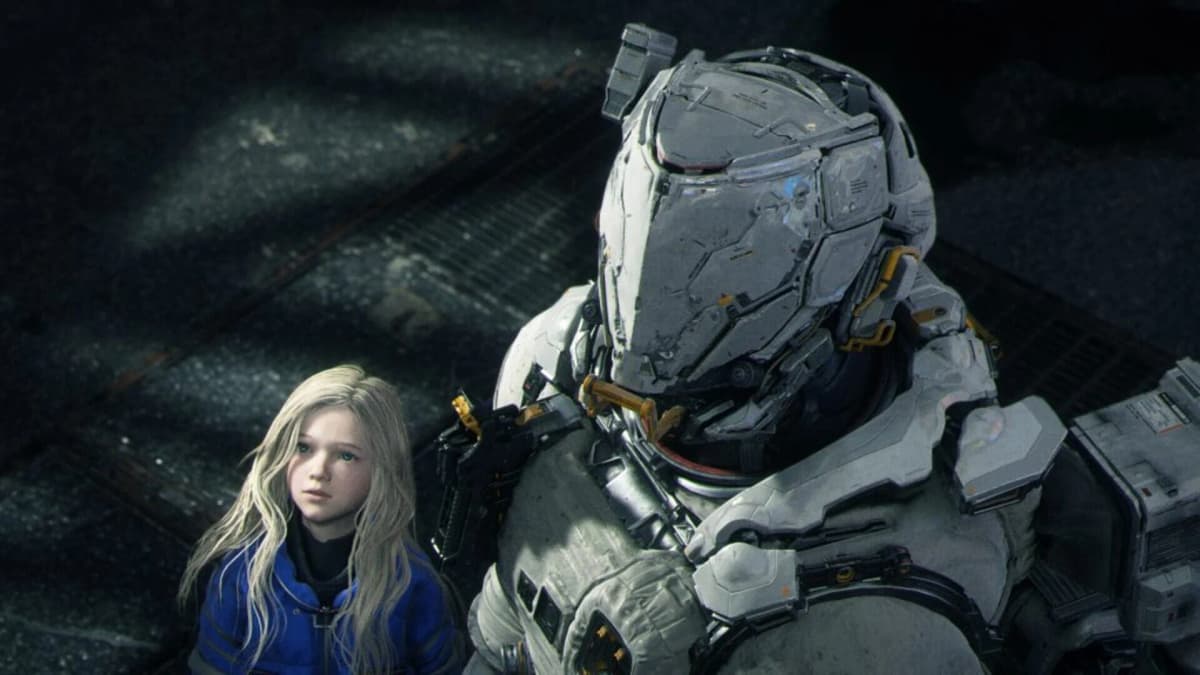
When it clicks, this system gives fights a layered, almost immersive‑sim flavor without drowning you in keybinds or systemic complexity. Several outlets note that higher difficulties and optional side paths really highlight how much experimentation the toolkit allows, even if the campaign doesn’t always force you to squeeze the most out of it.
On the flip side, that same campaign is where the consensus starts to crack. Most critics call the core relationship between Hugh and Diana effective — “emotionally grounded” comes up more than once — but the wider narrative gets dinged for playing it safe. Heavy lore dumps, familiar AI‑gone‑wrong beats, and a late‑game swerve that some reviews argue introduces more questions than it answers all prevent the story from matching the combat’s sharpness.
The underlying pattern is clear: if you’re here primarily for science‑fiction worldbuilding, you may find Pragmata competent rather than revelatory. If you’re here to tinker with systems and abuse enemy routines, the game gives you a lot more to chew on.
The GOTY talk: meaningful signal or early‑year noise?
Early Game of the Year chatter happens every January and April, then quietly disappears when the fall heavyweights land. So how seriously should anyone take “GOTY contender” tags this early?
Statistically, an 87 on OpenCritic with a recommendation rate in the mid‑90s is elite company. In most years, games in that band are in at least some outlet’s top‑five lists. On Metacritic, an 86 on PS5 and around 90 on PC in the opening batch of reviews puts Pragmata well above “solid AA” and into “anchor release” territory.
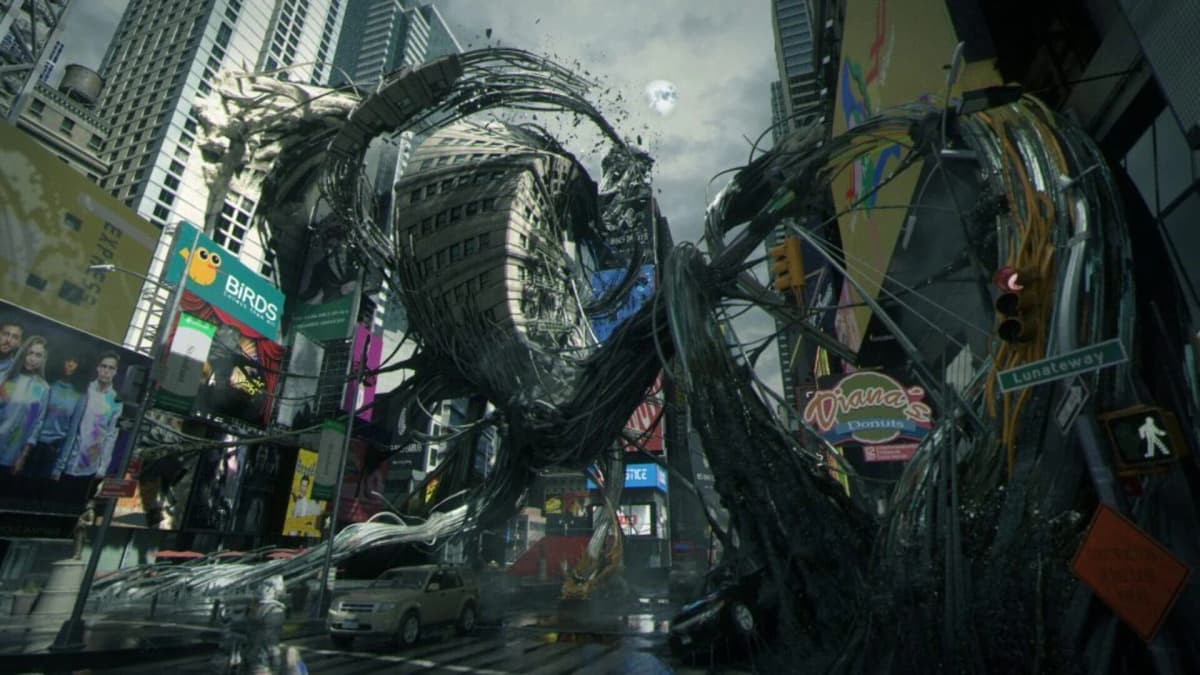
More important than the number is the shape of the praise. This isn’t a case where every review says, “great story, shame about the gameplay,” or vice versa. The through‑line is that Pragmata is mechanically confident, relatively bug‑free, and doesn’t waste the player’s time. In an industry hooked on content inflation, that mix plays well both with critics and with a chunk of players burned by unfinished launches.
There are, that said, real constraints on how far this can go in awards season:
- Scope bias: Awards panels and mainstream audiences still gravitate toward 50‑hour epics and cinematic showpieces. Pragmata is more contained and systems‑driven.
- Genre positioning: Sci‑fi shooters that care about mechanics more than spectacle tend to get slotted into “core gamer favorite” rather than “cultural phenomenon.”
- Release timing: An April launch can be a blessing or a curse. It has room to breathe now, but it has to survive a long memory game come December.
So yes, calling it a GOTY contender isn’t empty hype. It’s grounded in the data and in the way critics are talking about it. But it’s more likely to become the “consensus #4 pick that hardcore players won’t shut up about” than the runaway winner that defines 2026 on its own.
The cracks: repetition, backtracking, and a muted endgame
Once you move past scores and pull quotes, the criticisms line up with almost suspicious consistency. The most common complaint is repetition — not in the combat systems themselves, but in how the game structures space.
Pragmata leans heavily on its lunar station layout, which means revisiting key areas under different security states and enemy configurations. Done right, that’s Metroidvania‑style recontextualization. Done wrong, it feels like padding. Reviews suggest Pragmata lands somewhere in the middle: the mechanical remixing is there, but the visual and objective variety doesn’t always keep pace, making some late‑game stretches drag.
Backtracking ties into another sore point: a post‑game that doesn’t fully exploit how good the combat is. There is content after credits — challenge modes, tougher variants, optional encounters — but several critics describe it as “underwhelming” compared to how satisfying the core loop is. The tools are deep enough to support a more ambitious endgame than what shipped.
That gap matters because it hints at where Capcom left design headroom. If Pragmata gets expansions, sequels, or even just substantial free updates, there’s obvious space to push combat challenges and late‑game builds harder without reinventing the systems.
Switch 2 performance quietly makes this a bigger deal
One angle that might get lost in the GOTY noise is platform reach. Pragmata is launching on PS5, Xbox Series X|S, PC, and Nintendo’s new hardware. That last piece matters. Multiple reviews specifically call out the Switch 2 version as “solid” — not a blurry, compromised afterthought, but a respectable way to play.
For Capcom, this is the strategy crystallizing: RE Engine scales, the company’s signature action can now hit every major current‑gen platform day one, and its new IP isn’t locked to any specific ecosystem. That has implications beyond this single release. If Pragmata finds a foothold on Nintendo’s machine, it strengthens the case for sequels and spin‑offs designed from the jump as multi‑platform tentpoles instead of console‑leaning experiments.
It also means players aren’t looking at Pragmata as “the thing you might get around to on PC sale” but as a title that instantly fits into more setups — handheld, docked, or high‑end rigs. In an era where time is a bigger bottleneck than hardware, that ubiquity matters.
What to watch next
- Player retention and word‑of‑mouth: If the Steam concurrency graphs and console engagement numbers stay healthy a month after launch, the GOTY talk graduates from “critic bubble” to “community reality.”
- Post‑launch support: Any announcement of challenge expansions, new modes, or a more robust endgame would directly address the biggest shared criticism in reviews.
- Capcom’s messaging: If the publisher starts talking about Pragmata as a “franchise” rather than a successful one‑off, that’s a signal this will sit alongside Monster Hunter and Resident Evil in long‑term planning.
- Award‑season shortlists: The first real test will be mid‑year awards and platform‑specific showcases; if Pragmata keeps showing up there, it’s not just April hype.
TL;DR
Pragmata has landed with an 87‑ish OpenCritic average, high Metacritic scores and a rare 90‑plus percent recommendation rate, driven by punchy hack‑and‑shoot combat and a tightly built lunar station setting.
Reviews broadly agree the gameplay is stellar while the wider sci‑fi story plays things safer, with repetition, backtracking and a modest post‑game being the main knocks holding it just short of “instant classic” territory.
It’s a legitimate early Game of the Year contender, especially for players who care more about systems than spectacle — and what Capcom does next with this new IP will say a lot about where the publisher is heading after its remake and Monster Hunter winning streak.
FinalBoss // Gear
Level up your setup
01Top-rated gaming headsetson Amazon→02High-refresh gaming monitorson Amazon→03Gaming chairson Amazon→04Discounted game keyson Kinguin→
Affiliate links · As an Amazon Associate, FinalBoss earns from qualifying purchases.
Want to Level Up Your Gaming?
Get access to exclusive strategies, hidden tips, and pro-level insights that we don't share publicly.
Ultimate Gaming Strategy Guide + Weekly Pro Tips