
Table of Contents (8)
Prime Video is betting a legendary cyberpunk franchise will make it an anime heavyweight – and the choice tells you everything
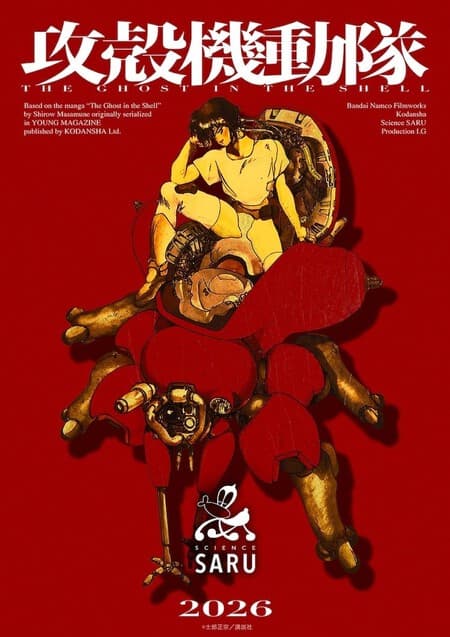
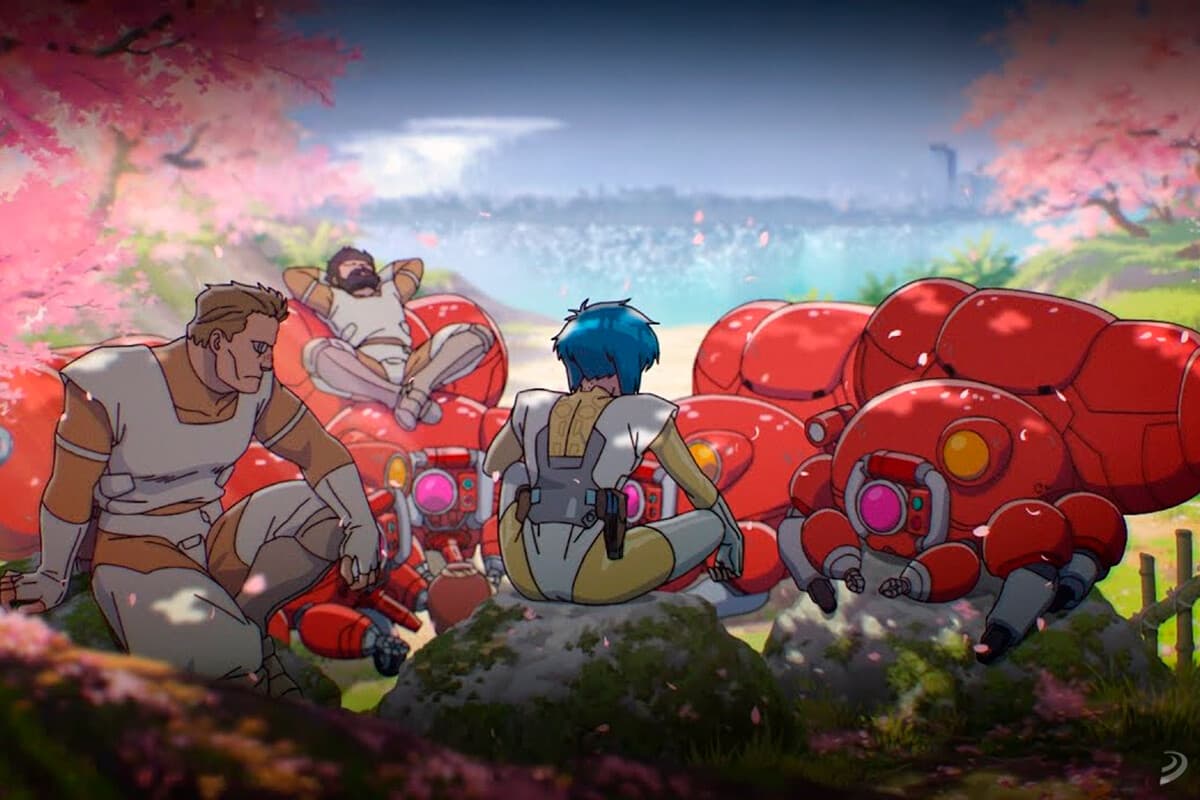
Prime Video didn’t pick Ghost in the Shell because it needed another sci‑fi show. It picked Ghost in the Shell because the name still opens doors, provokes headlines, and signals seriousness to anime fans. Science SARU’s new international adaptation – directed by Toma Kimura, scripted by EnJoe Toh and designed by Shuhei Handa – arrives on Prime in July 2026 with an explicitly brighter, manga‑faithful look and the return of tachikoma. That’s not nostalgia theater. It’s Prime staking a strategic claim in a corner of the streaming wars Netflix and Crunchyroll have been cultivating for years.
Key takeaways
- Prime Video chose a marquee IP to shortcut trust: Ghost in the Shell carries cultural capital that a generic new anime wouldn’t.
- Science SARU and the creative team promise a different tone — brighter, more manga‑faithful visuals — which could split longtime fans between relief and skepticism.
- The move is as much marketing as art: July 2026 timing, global platform push, and inclusion of iconic elements like tachikoma are designed to drive subscriptions and headlines.
- Whether this shifts the anime pecking order depends on rollout details Prime hasn’t confirmed: simulcast windows, episode cadence, localization quality and promotion in Japan.
Why this matters now
Streaming companies are weaponizing anime. Netflix and Crunchyroll have carved out clear identities for viewers; Prime has the budget but not the cred. Ghost in the Shell is a high‑profile, low‑ambiguity signal: it tells fans and industry partners Prime is serious about anime beyond licensing catalog titles. Announcing a July 2026 release cements the series as a summer tentpole and gives Prime time to build marketing and localization muscle.
The creative play — why Science SARU matters
Science SARU isn’t a safe pair of hands in the conservative sense, but it has pedigree. The studio’s experiments — from Inu‑Oh to visually adventurous projects — make it a better fit for reinterpretation than a glossy, generic studio output. Toma Kimura’s leadership (he’s from Yuasa’s orbit), EnJoe Toh’s award‑winning literary chops, and Shuhei Handa’s character design resume suggest Prime didn’t just buy a logo; it commissioned a distinctive take. The twist: Prime wants a “brighter” aesthetic closer to Masamune Shirow’s manga, not Mamoru Oshii’s 1995 film. That’s a conscious repositioning of the IP.
The uncomfortable question PR hoped you wouldn’t ask
If Prime is so determined to be an anime player, why reveal so little about distribution details that actually matter to hardcore viewers? We still don’t know if episodes will be simulcast in Japan, whether Prime holds exclusive global streaming rights, how many episodes are planned, or how aggressively Prime will localize and market this in anime communities who distrust platform exclusivity. Those are the practical levers that determine whether a prestige anime becomes an organic cultural moment or just another “exclusive” hiding behind a paywall.
Context: everyone else is piling in too
Prime isn’t acting in a vacuum. Other major anime projects (from Evangelion’s new series to new adaptations and licensing plays) show the industry is in a second anime boom — one driven by streaming platforms bidding for eyeballs as much as by creators. That competitive background makes Prime’s gamble sensible: if you want to be noticed, you need a franchise with name recognition and cross‑generational appeal.
What to watch next
- Trailer and first footage: will Science SARU’s animation deliver on the promised “brighter” manga look, or will it read like PR copy?
- Release mechanics (March-June 2026): confirm if Prime will simulcast in Japan and whether episodes drop weekly or all at once — that shapes fandom momentum.
- Localization & cast: which language dubs and subtitles launch day‑one? Big names or respectful, genre‑savvy casting?
- Viewership and retention data in Prime’s first two weeks: high opening numbers only matter if viewers stick around past episode 3.
My question to Prime’s PR: do you want this to be a global cultural event or a safe catalog addition? The creative team suggests the former. The rollout details will tell us which it actually is.

TL;DR
Prime Video is using a Science SARU‑led Ghost in the Shell reboot (July 2026) to fast‑track anime legitimacy. The creative team promises a manga‑faithful, visually distinct take and the return of tachikoma — a clear play for both nostalgia and new viewers. Whether it moves the streaming needle depends on release strategy, simulcast rights, and whether Prime actually leans into anime culture instead of treating the show like another exclusive on the shelf.
Source: 3DJuegos (coverage of Prime Video’s announcement and details reported via Sensacine)
FinalBoss // Gear
Level up your setup
01Top-rated gaming headsetson Amazon→02High-refresh gaming monitorson Amazon→03Gaming chairson Amazon→04Discounted game keyson Kinguin→Affiliate links · As an Amazon Associate, FinalBoss earns from qualifying purchases.
Want to Level Up Your Gaming?
Get access to exclusive strategies, hidden tips, and pro-level insights that we don't share publicly.
Ultimate Gaming Strategy Guide + Weekly Pro Tips